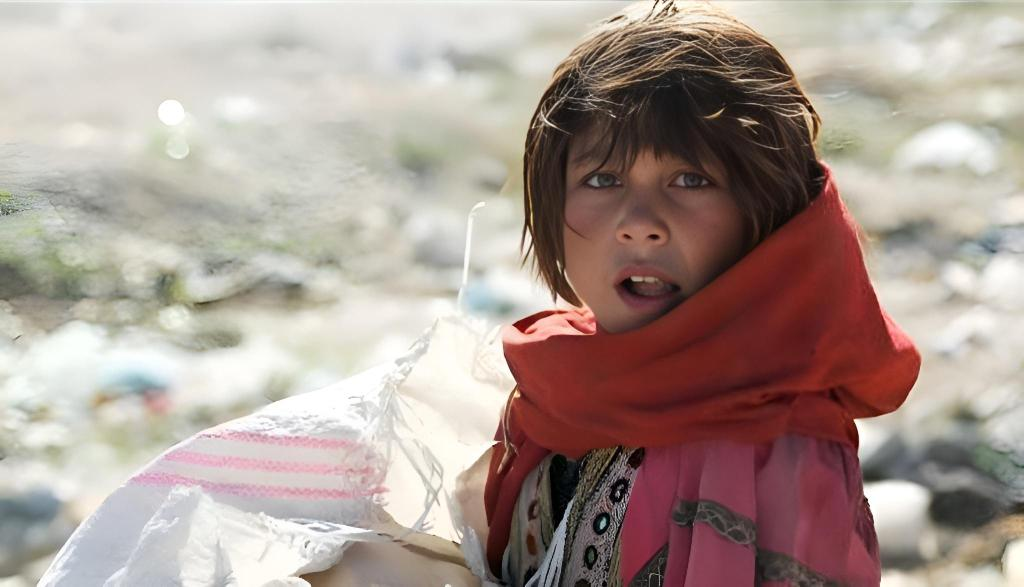
FIREHAWKS

Photography setting fire to childhood trauma –
Open Eye Gallery to host first photography exhibition about fire setting
Firehawks
Open Eye Gallery – Liverpool
Exhibition: 26 Sep 2025 – 16 Nov 2025
Media Preview: 25 September, between 12:30 – 4pm
The Photojournalism Hub is proud to feature ‘Firehawks’, an important forthcoming exhibition at Open Eye Gallery, Liverpool. For the first time, the subject of firesetting is to be explored in a gallery space, as part of an exhibition by photographer Stephen King.
Opening in Liverpool on 26 September until 16 November 2025, the ‘Firehawks’ exhibition at Open Eye Gallery, one of the UK’s leading photography galleries, follows a long-term project led by Stephen King to uncover real-life experiences of children involved in firesetting behaviour.
Rarely spoken about, the term ‘firesetting behaviour is not widely known or understood. In England, tens of thousands of deliberate fires are recorded each year. Often regarded as arson or acts of vandalism, many are started by children.
‘Firehawks’ seeks to raise awareness of fire setting through a visual demonstration of why individuals are drawn to this element as a silent language of survival, often due to a traumatic experience or environment that is challenging to speak about. It will also shine a light on the people and services who help to understand and overcome
the complexities that can be indicated by firesetting behaviour.
Featuring 20 images, displayed in a narrative of three phases; destruction, communication and renewal; ‘Firehawks’ is the culmination of years of work for Stephen, who himself has lived experience of firesetting as a child. After collaborating with London Fire Brigade Firesetting Intervention Scheme, Northumberland Fire and Rescue Service and Merseyside Fire and Rescue Service as well as numerous conversations and workshops with individuals with lived experience, he has developed an exhibition of work borne out of his innate ability to listen and respond to people’s experiences and sensitively transpose their accounts into visual, metaphorical depictions.
“This exhibition is the result of several years of work, but ultimately a lifetime of
trying to understand and heal from my own experiences of firesetting as a young person. I’ve
worked with so many people associated with firesetting – young people who have set fires, adults
who used to and those who work to understand, intervene and care for them. Their ability to talk,
share and allow me to portray their experiences through my photography, has been very
humbling. The visual language of photography can break barriers and destigmatise what is an
incredibly sensitive subject, and the culmination of this project will hopefully bring a positive
platform to those who are working through their trauma, who have overcome it, and show
audiences that the work of frontline services is much more beyond ‘putting out fires’.” – Stephen King

Beginning as an Arts Council-funded research project in 2021, Stephen and the exhibition’s producer Angharad Williams, have worked closely with Open Eye Gallery’s social practice team and leading specialist in the field of child firesetting behaviour, Joanna Foster, to develop a larger scale project, looking at firesetting, its triggers, impacts and personal stories.
Joanna, who is author of the book ‘Children and Teenagers Who Set Fires: Why they do it and how to help’ said:
“The significant maltreatment in the formative years of many children and
teenagers who set fires is well evidenced. Such relational and attachment trauma can lead to
complex survival responses and often crippling coping mechanisms, which can include acting out
in the form of setting fires. These fires can help regulate intense and overwhelming emotions,
draw attention to an otherwise invisible child, or give voice to words and feelings that are too
difficult to speak.” – Joanna Foster
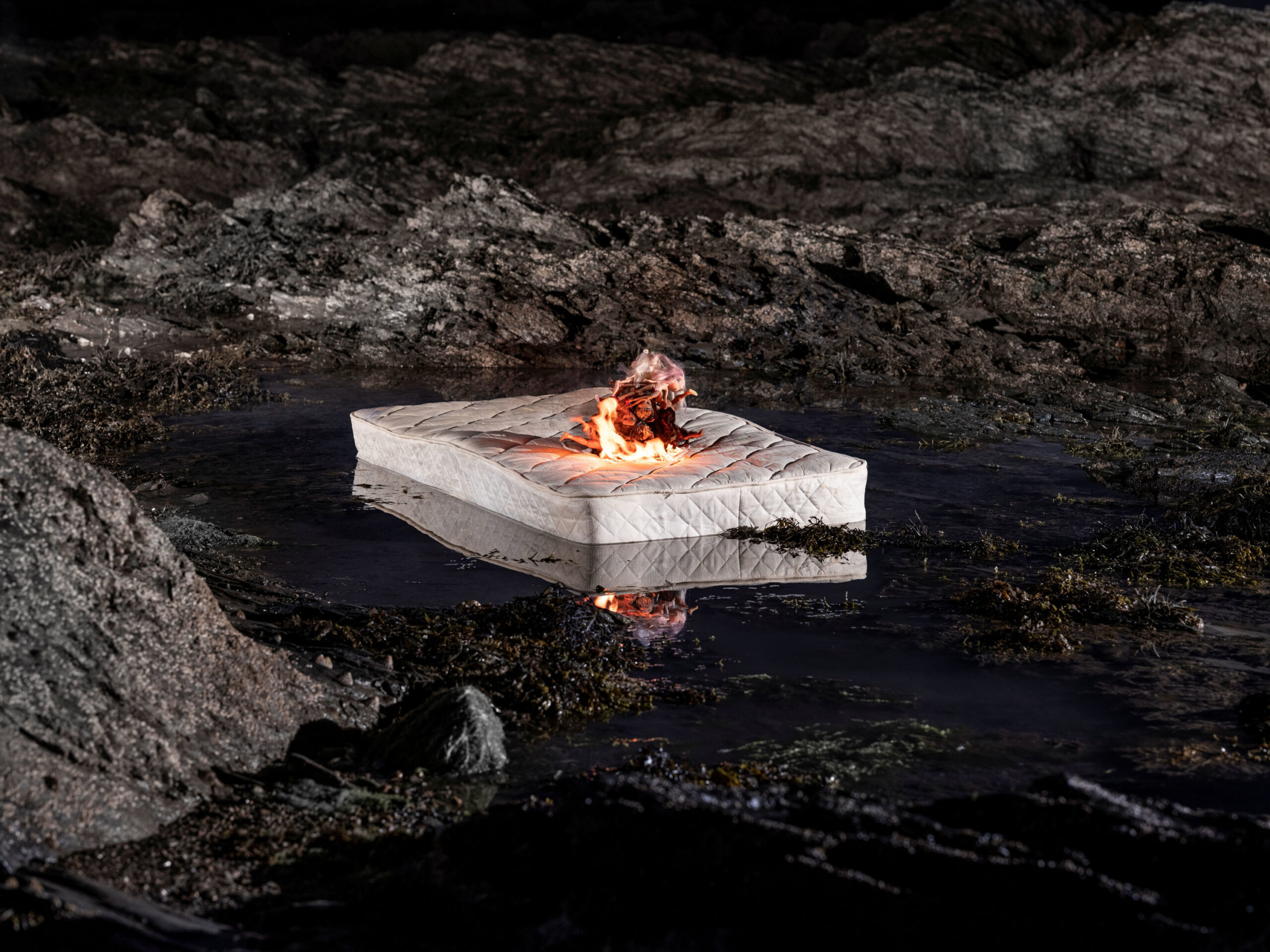
The photographic series shown in the exhibition does not seek to diagnose or define. Instead, it invites the viewer to sit within the tension of the fire, connecting with the issue of firesetting through images of anonymised people and situations, portrayed with a filmic and dreamlike quality. A black dog walks among scorched trees, carrying stories in its teeth; dolls burn on a mattress floating on reflective water; a fire service training dummy supports a young boy on the edge of a precipice; new life starts to grow in a community orchard – a site which holds firesetting memories for the photographer himself. Stephen continues:
“The images don’t depict fairy tales, though they borrow their familiar shapes.
I wanted to be sure that fire was ever present in the exhibition, encapsulating the flickering, crackle, and smoulder of the element at the core of the stories. In circumstances of firesetting, flames become a language, a companion, a compulsion, a release. The work gathers fragments; stories from children, adults talking of their younger selves, voices from those who work in fire and rescue services, memories that smoulder long after the event. It is not a study, but a visual reckoning — born from experience, shaped by dialogue, held in a shared, collective space. I hope it makes those who have been through trauma feel less alone and less stigmatised.”

“It is so exciting to see the ‘Firehawks’ project become a reality this year within our galleries, as we’ve been discussing the project with Stephen for more than five years. Like most good, socially engaged projects, however, this shouldn’t seem a surprise, as working collaboratively with communities to shape and visualise stories which are important to them takes time. ” – Elizabeth Wewiora, head of social practice at Open Eye Gallery said. And ‘Firehawks’ is a very particular story, which needs to be explored with care and sensitivity; something we hold real value in at Open Eye Gallery.
“Stephen’s approach considers the anonymity of all involved whilst still opening up a visual
conversation for our audiences as it explores why people can be drawn to fire during traumatic
experiences in their lives, and moreover how wider society and our frontline services respond
and deal with this. Stephen’s photographic work leans into the metaphorical and surreal which is
also a welcome alternative approach to socially engaged photographic imagery, which can tend
to sit more within a documentary style. We can’t wait to see the work come together in the gallery
this September.” – Elizabeth Wewiora
The root of the exhibition’s title links to the phenomenon of the Firehawk, an Australian bird which has been observed creating bushfires by carrying burning sticks to new locations, deliberately spreading fire to flush prey from the undergrowth. The Firehawk bird has never been digitally captured, and most accounts are from first nation experts in Australia. This rare act of intentional ignition by a non-human species gestures toward something deeply instinctive, even ritualistic, as a form of survival, much like the humans in the exhibition who connect with fire as a copying mechanism through trauma.
Supported using public funding by the National Lottery through Arts Council England, and in collaboration with London Fire Brigade Firesetting Intervention Scheme, Northumberland Fire and Rescue Service and Merseyside Fire and Rescue Service.
FURTHER INFORMATION
Lucy Hodson, PR & Communications
lucy.hodson@outlook.com
07967 551 002
All photos copyright: Stephen King
Notes to Editors:
About the photographer, Stephen King
www.stephenkingphotography.co.uk
Instagram: skingphoto
Stephen King is a socially engaged photographer with over 20 years’ experience of working across cultural, educational and community sectors. His practice is varied but always involves collaborations with people and how they navigate society as individuals or part of a community. Moving from documentary and editorial work in 2008 to more personally instigated & collaborative work, he has since collaborated on projects with industrial workers, miners, prisoners, LGBTQ communities, veterans, retail workers, universities, people with dementia, homeless, young people, travellers, sporting clubs, medical institutions, artists, writers & academics. In 2009 ACE funded Stephen’s project ‘Lewis’s Fifth Floor: A Department Story’ which was exhibited in National Museums Liverpool (with a publication), Orange Dot Gallery London & Brighton Photo Fringe Biennial (winning Danny Wilson Memorial Prize). In 2013 he was awarded the International Development Fund – Artist in Residence at CREATE, Dublin. In 2016 ‘Dry Your Eyes Princess’, a collaboration with John Moores University, exhibited at National Museums Liverpool (Homotopia Festival) & Red Barn Gallery, Belfast (Outburst Festival). Key commissioners include Heart of Glass, Age Concern, Arts Admin, Cork Midsummer Festival, FACT & Arts Council England. His breadth of experience & diversity of collaborations, echoes a genuine passion to work with others to tell their own stories through the powerful & accessible medium of photography.
Open Eye Gallery
Open Eye Gallery is an independent, not-for-profit photography gallery based in Liverpool. One of the UK’s leading photography spaces, it is the only gallery dedicated to photography and related media in the North West of England. A registered charity, Open Eye Gallery believes photography is for everyone and can be meaningful, informing our present and inspiring positive futures. Open Eye Gallery works with
people to explore photography’s unique ability to connect, to tell stories, to inquire, to reflect on humanity’s past and present, and to celebrate its diversity and creativity.
Open Eye Gallery is open 10 am – 5 pm,
Tuesday to Sunday, 19 Mann Island L3 1BP.
Facebook / Instagram / X: @OpenEyeGallery
Conversations at the Intersection of Photography & Social Impact
During the opening of ‘Firehawks’ at the Open Eye gallery in Liverpool, Cinzia D’Ambrosi from the Photojournalism Hub had the privilege of interviewing Stephen King, the photographer and artist behind Firehawks, and Joanna Foster, a leading expert and consultant in fire setting and behaviour in children, young people, and teenagers, who is also the Managing Director of Fabtic. Their insights add further depth to this compelling project.
“It was a true delight and honour to attend Firehawks, a ground-breaking exhibition currently on view at the Open Eye Gallery in Liverpool. This unique exhibition brings together the worlds of art and public services, merging the vital work of firefighter services and therapeutic work with children and teenagers with the power of photography and visual storytelling. Through this collaboration, Firehawks opens up new ways of understanding and engaging with the complex issue of fire setting. It demonstrates how photography, as both an artistic and documentary medium, can move beyond the gallery space to foster dialogue, awareness, and social engagement.” – Cinzia
To listen the conversation or for the script follow below:
Conversation with Stephen King
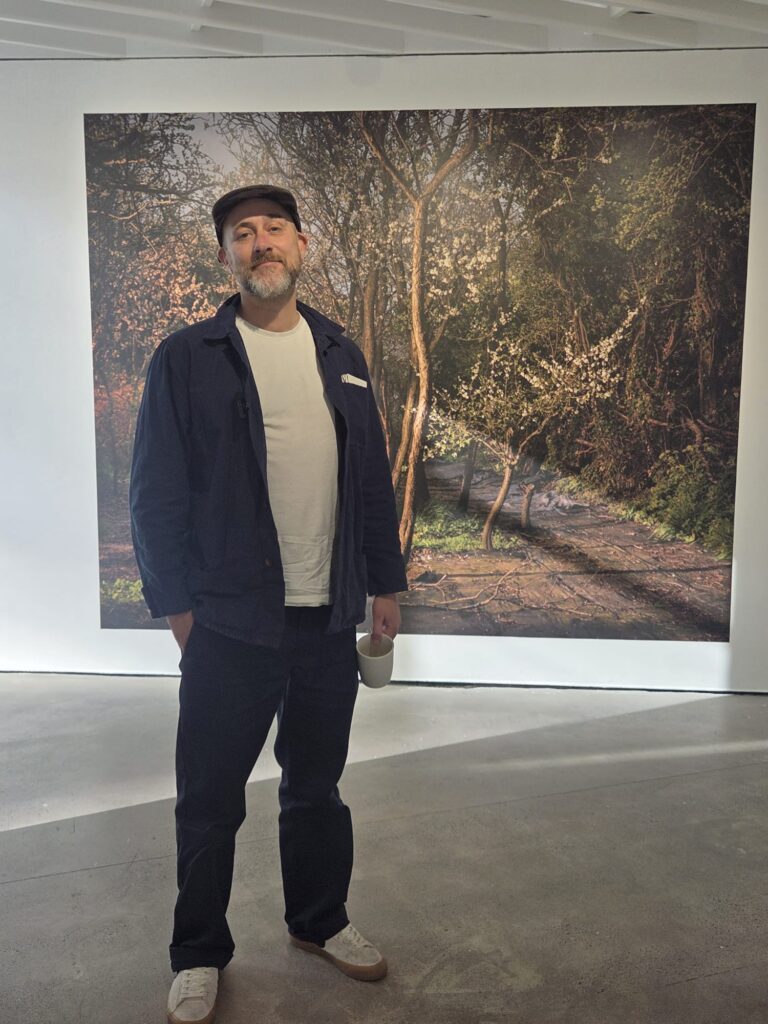
Cinzia: I’m here with Stephen King and I’m at the Firehawks exhibition and I have lots of questions for him which I hope that he will answer. So the exhibition, Stephen, is the first thing when I came in I want to congratulate because it’s amazing, it’s wonderful and it strikes from one room to the other how much of a journey it is for people to interact in many ways to the exhibit.
My first question Stephen is looking at your visuals I can see that you used a language which is very metaphorical, and I would say surreal as well but the theme of fire setting especially with young adults and children is a quite social engaged topic which often one would see it associated with a rawer images and more journalistic approach. I wanted to ask you whether that’s a deliberate choice to use this kind of language?
Stephen: Yes, so the project has taken five years in development and a large part of that was to try and figure out a suitable way to like what photographic language you could deal with a subject like this and deal with it ethically and sensitively but also you know not to sort of make it into something that it isn’t you know to sort of, I can’t think of the word, to sort of build it up into something other than what it is and also it’s not a subject through the engagement and the residencies that I did in the journey to figure out what the language would be is that it’s not a subject that you could use a traditional documentary approach with. It’s completely impossible and not very ethical for those people involved. The main reason of where I kind of landed onto using a bit more of a metaphorical and abstract kind of approach is that the issues that we’re looking at, like the drivers behind why people set fires, whilst they’re always sort of social outside problems that are influencing, it’s an internal cognitive place that it’s coming from.
So, it’s about like memory and a mental experience rather than an actual physical experience and what I was looking at was not the act of setting a fire, more why do people end up setting fires. So what’s the bit between, what’s the thing, so something happens to someone or someone’s exposed to something or you know they grow up in certain instances or environments, what makes this thing that happens, the person jump to deciding to use fire to express that and that’s what I was interested in and this is a mental landscape not a physical real landscape and I also didn’t want to ever present one story. It had to be an amalgamation of many stories brought together that would then give a kind of overarching feeling of the experience collectively of fire setting, not one person’s because it’s kind of too specific and the issue of fire setting is so random and so sporadic and different, as I say, different social, environmental, you know, different traumatic reasons that people would use fire, especially young people, as a language or as a communicative tool.
It just seemed right that it would bring elements from many different people so that was why also I chose to do such a wide amount of engagement on the residencies. So speaking with many, many, many, many people in different geographical areas and different positions so they could be professionally like in the fire service people like Joanna or a more therapeutic and kind of academic approach to it and then people who actually set fires themselves and bringing all that together into a collective experience and sort of knowledge. So, it is in a sense it’s my presentation I use my artistry to bring these together so essentially it is a kind of abstract metaphorical social documentary, so it is something that has happened is happening, but it never shows the actual thing.
Cinzia: Yeah I really, I really understand it in a way it’s so multi-layered.
So there’s lots of things in these images that I would never choose to put in an image but because I’ve worked with so many people I have the respect for like well this is an element that really stood out in this story and this story here, oh I’ve got to use that and I’ve got to bring that in so how do you fix, so every image is like a puzzle, how do you bring these different stories and how do they represent and how can they play to each other within a frame so that’s why some of them are really far out and you’re like what the hell is going on here but there might be 10 different stories over 10 different 10 years you know from different people all kind of simmered down into one representation.
Cinzia: So, to just stay a little bit on this topic I see that the exhibition is also divided by the themes of distraction, communication, renewal. Can you explain a little bit the reasoning for that?
Stephen: So that just sort of reflects a common commonality in people’s experience in fire setting that they would usually lose the cause then we’re looking at the reason why someone would jump to using the element of fire but it’s usually for a reason and that might be as expressing yourself as a call for help and then it would usually go into in my instance I found something else that the same things that made me set fire I could put into something like photography so for me it was about controlling my space my landscape and having control over myself and the world and how I engaged with it feeling out of control as a child but photography gave me a great power and be able to control what is in the frame what’s out of the frame and be able to control my landscape and I just jumped into that and I never set fire again but other people it might be they go into a therapeutic sort of program and also that when I was collaborating with people who service providers like Joanna like people from the fire service who offer these therapeutic approaches so that’s the sort of the different sort of elements of how you become a fire setter how what happens in that the turmoil and the inner sort of mental space and then going into a therapeutic sort of restoral position I just didn’t want it to be so really sort of filled with doom you know like fire and doom and destruction and there is that element but I wanted there to be like an off ramp and an exit.
Cinzia: I have a question that I hope that’s okay to ask you. I did listen to the video that it’s literally the first welcoming to the exhibition. In the video you speak about that there were reasons for which you came to realize why you were doing fire setting as a child. Can you tell what was/were the trigger/s to make you remember about your experiences with fire setting as a child?
Stephen: I saw yeah I was mid 40s I kind of completely just life had just got in the way and I just completely forgotten about it I just kind of compartmentalized it and I was on a residency with a in Ireland with another artist that I work with a lot who’s involved in this as well Mark and there was a documentary from 1975 with a guy called Michael Cooper called Mini Cooper a BBC documentary about a young fire setter and it just completely just turned the light on and I went whoa and I was in a just a period of my life mid 40s you know just kind of reconsidering things and it just opened a huge door of a lot of reflection and it just seemed all right okay just I recognized how impactful something that I had forgotten about I’d actually had every single day since it happened even though I didn’t think it even I’d forgotten about it almost it had its impact every single day since I’d stopped setting fires at the age of eight or nine.
Did it bring anything new for you revisiting this? It did because it’s I’m looking at it from you know an older person in mid midlife as a father as well massive like that was I think was the biggest impact of why it kind of became something that needed looking at reviewing from myself yeah it was very different because I’m dealing with either talking with young people or talking with older people who have worked with young people or I’m dealing with older people looking back on their own fire setting experience so I’m just looking at it in a far analytical caring sort of and with all the information that research brings and speaking with all these people I’m looking at it from a completely different point of view from when I reviewed like looking at myself as a young person so I can see myself in a lot of the stories that I’m receiving from people but obviously I’m looking at it from a very different elevated point of view and obviously with that point of view of as you know an image maker so everything is throwing up a mental image for me so it’s quite overwhelming to be honest with you.
Cinzia: In this exhibition we have quite a few people involved, we have the fire services, we have Joanna Foster, who is an expert consultant, bringing in an approach, also quite intellectual and so there are quite a few different people that came in in the project. I guess my question is now that you are here and the work is in the exhibition do you feel that these people and services have had an impact on your outcome, and is it different to what you have achieved?
Stephen: Absolutely yeah and without their help would have looked very differently absolutely as I said earlier that there were lots of elements in many of these images that I would never ever would have chosen to include but through the respect of collaborating with these people they have co-authored it with me you know their input there’s nothing there were small elements of autobiographical experiences in these images from myself small amounts and they’re mainly made from all the different engagements from very different north south east and west of you know the different experiences and that was why there was so many to have different perspectives from different people from like so in when I was in Northumberland on the residency with a smaller team but with a very large geographical space that they go over I was luckily enough I could shadow them so I was literally going into young people’s houses and going into schools and community centres and meeting young people that were on a programme that were fire setters so I was like shadowing and watching taking notes whereas in London they have a huge experience and a massive team but I could just sit and talk and get their personal professional stories from the entirety of their careers but you know there’s a large pool of like 10 people who’ve had whole careers working with young people so that’s a massive amount of influence and then also about what the impact is on them as service providers and therapists as well so I’m looking at it from an inside out upside down point of view and then also with young fire setters as well people I know as adults who have gone you know who’ve fire set as young people and a lot as a lot of these projects as I started I would meet one person and then randomly I would meet another person and say oh I used to set fires and it would lead to another participant and it just started to grow and grow and grow so having respect and everyone’s stories is included in some way every almost every story is included in some way in this small amount of 20 images so it completely influenced the outcome I would never would have arrived with these images without those people who collaborated on the project.
Cinzia: So what’s next?
Stephen: A rest. It’s been a long five years and you know I teach full-time as well so yeah it’s hard been managing all that so who knows I feel like there’s an element of this maybe that’s still undone so I don’t feel like this is the end of this thread of work but it won’t be so similar very similar but maybe a sort of an offshoot of something will continue from this for the next project I think.
Cinzia: So, do you feel like with this work the exhibition best represent it? or do you think you would be open to explore it in a photo book or something like that?
Stephen: I think it would be a great photo book but it would need to be far larger I don’t think this is enough to sort of support that because it would have to be very much led by text and people’s experiences and you know the way that a lot of street so a lot of I’ve done huge amounts of interviews with people and a lot of got books filled with quotations from people and real life experiences one-to-one conversations that I’ve had and they’re very sort of poetically rewritten by myself into these very abstract captions that go with the images and that so it almost explains the story but it also saves the anonymity of the people involved so you can’t really from any image take it recognize anyone’s straight story even the person in the story might struggle to see what it is until I point it out I think ah right okay that’s my story I told you because it’s such a small element and it might be also mixed with something else like I bring them together and it kind of looks different but it’s got the same ingredients you know but it is to save people’s anonymity into as I say earlier to give a kind of overarching feeling and experience of fire setting that’s thank you yes it’s very okay until just until when is the exhibition it’s until November so it’s on for two months okay so that’s um it’s more for people yeah but that’s the kind of struggle is to find it is something like you’re saying that there would normally be a very sort of documentary led project but it wouldn’t be very respectful to the people involved to just go straight documentary you know I could hang around in parks and look for children to bins and stuff but it’s not going to have that same respectful sort of I’m really getting under you know really getting under the covers of the reasons and the drivers.
Cinzia: well, done, because it’s a topic I wouldn’t even know where to start
Stephen: it began with another project so the image behind you the final image there it was beautiful that image so that was one of the first images I did in trying to find the language how to do it so I went back to places so I had not been back there for 40 years and that was the last thing I set fire to and it was just a thick thick thick wood and when I went back so obviously the impact of me set the fire when I was young it had taken all the trees out and now it’s an orchard where the community grow apples it’s amazing yeah
So it was really poignant you know to go back and then it was like this positive actual positive impact that it had um so I would take so these are straight documentary images but they’re taken on large format film 5-4 and I went back and then I would use these this series of images to meet the first participants because people when I first started trying to talk about this they’re very wary like why do you want to talk to me what do you want to take photos of so I would start with this series of images of mine and say this is what I did when I was young and I’ve just gone back 40 years later and I’ve sort of re-engaged with these spaces and made this new body of photographic work so there’s a whole body of these images it’s a whole separate project of like these large formats sort of spatial and they’re all lit with orange light and it’s the same colour temperature of a naked flame so it’s 3200 kelvin which is the same light temperature that’s why it has this orange glow um interestingly really what is one of the imagery and they wait for a lot more yeah it’s pretty nice so in a sense that is the only way I could use a straight documentary approach was with myself but with anyone else it wouldn’t be appropriate.
Cinzia: thank you
Stephen: no that’s amazing yeah thanks.
For the conversation in audio:
Conversation with Joanna Foster
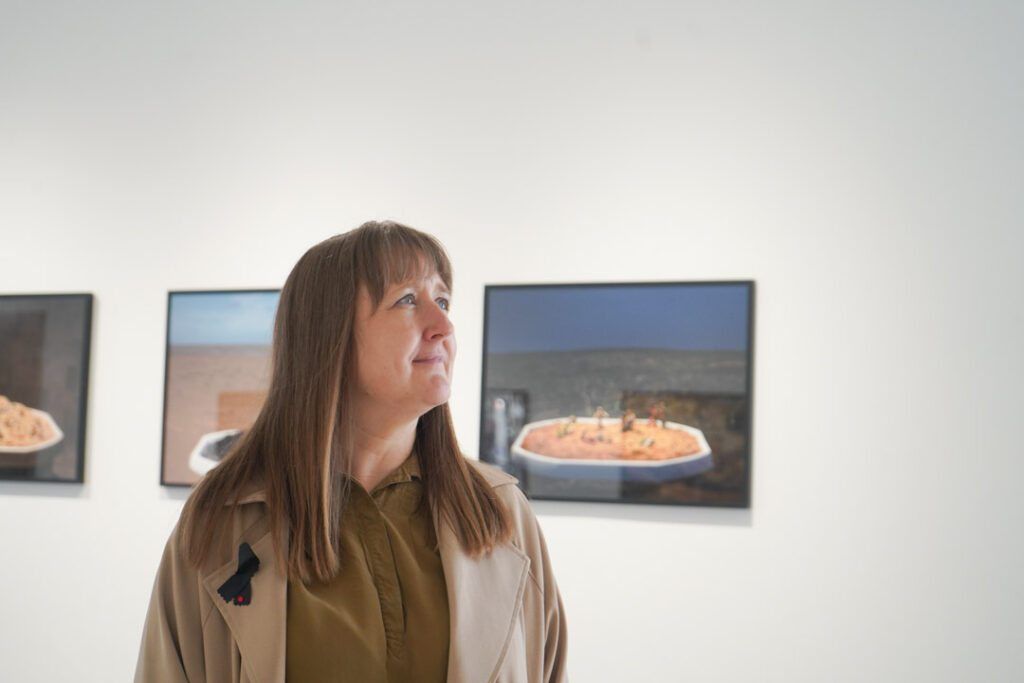
Cinzia: Okay great, so I’m here with Joanna Foster and we are at the Firehawk exhibition in Liverpool at the Open Eye in Liverpool, It’s an amazing exhibition, it’s very poignant in many ways as it deals with the topic of fire setting and I would say it’s probably the very first time that such topic is in a public realm as a photography exhibition.
Joanna is very much an expert in fire setting, she is a consultant, she has an amazing career from also being a firefighter yourself, right?
Joanna, I would like to ask you as this is a co-authored exhibition with people from fire services, yourself bringing in your expertise and your experiences, as very much a merger I would say between art and public services, my question is what’s your thoughts about it? And do you see this as a method that could carry on not just in fire setting but maybe in other ways.
Joanna: I very much hope it will be something that sets a precedent as you say either for this behaviour or other behaviours that we start to see that collaboration between so-called experts and people with lived experience and artists to tell a story. We think of the word history, his story, so who tells stories that are reflective of the people who are truly impacted. Therefore that’s what I’d like to see happening here is as you say a beautiful merger between people requiring support, people giving that support and then artists like yourself, like Stephen, who can allow us to have difficult conversations, take uncomfortable behaviours that are coming from uncomfortable feelings because of what’s happened to someone not what’s wrong with them and really give safe expression and understanding to that fire setting behaviour is usually communicating big feelings where let’s take big exhibitions and big pieces of art and photography to give this story a truth and a reality that often is very misunderstood and hidden.
Cinzia: I was literally asking a similar question around the actual interpretation and representation of such a topic because it has so many layers and it has quite a lot of aspects which are more psychological, which with your work you are very accustomed to know. Do you see images as visually representing these topics and in what way? Speaking earlier with Stephen we understand that he felt that was the best way to convey the topic, in a more surreal and abstract way. Do you see this approach as a good representation of what you go through with your work, and you know the same thematic that they are represented here in the exhibition?
Joanna: Yes I think because I was expecting a more typical documentary story this is this person this is what they set on fire and yet actually this almost fantastical representation I think works really powerfully and beautifully because often children are setting fires teenagers are setting fires to recreate a different world something different to the everyday reality it draws on imagination and creativity therefore why not depict it in that same almost fantastical fairy story like way and that’s not to romanticise the behaviour because what we are talking about here is something that can be incredibly dangerous to that child or somebody else but what it is exposing is this notion of fire is transformative as changing a landscape giving power and control so using this medium of photography rather than that more documentary like I think does indeed work well.
Cinzia: I would say it’s very advanced in like almost like pioneering way of looking at such a deep social issue and you know in a public gallery with a merger as I mentioned before public services and art but looking towards the future how do you see this developing do you feel like it could lead the way to more?
Joanna: That’s a stunning question where does it develop how does it develop this is outside the realm of photography and art but what I hope it has as enduring and ongoing impact is reminding practitioners again those experts you described of reminding ourselves that what Stephen has created by giving an imaginative safe voice to people with stories of hurt and harm that we must do the same all the time in our work how do we really listen to people how do we get people to express safely what’s happening when are too difficult so in one sense that’s how I really hope this work endures continues and transforms and in terms of the challenge of well what does this look like in other realms why couldn’t this be a way forward does art become in itself a form of repair and I absolutely think it does art in all its forms is restorative it repairs harm why aren’t we using it more for people to tell their stories we have to remind ourselves when you use the word experts the ultimate expert is that person no one’s more expert on anybody but themselves so let’s take that lived experience expertise the expertise of artists clinicians practitioners and why not let this be pioneering and influencing future ways for people to say this is what happened to me and why.
Cinzia: I should have asked you this question before, but can you tell us about how did you feel about being asked to participate and collaborate in this project?
Joanna: another good question that I must admit I get lots of different media requests and sadly worryingly in 2025 though it is it’s still often very voyeuristic very sensationalist not in any way trauma informed and what stood out for me from the very beginning was the lens if you excuse the pun that Stephen wanted to apply which was one of really understanding that this behaviour often comes from a place of hurt and harm and therefore how can we tell this story safely so I will admit that in the early days Stephen had to go through quite a few questions for me as to the quality of the work not questioning for a moment his calibre as a photographer but whose story is he telling to what aim and whose agenda is being filled and I had no impression of an ego this was a man who wanted to tell a very truthful and raw story about five setting behaviour so I became involved after a number of emails from Stephen and his quiet persistence that his intent here was absolutely to do no more harm but have the impact that art can and once I realized that and it didn’t take very long at all for his integrity to shine through I was really excited to be a part of this work.
Cinzia: I guess one more question is about the property that a photography can embed. Do you feel that it has this restorative power and healing aspect?
Joanna: yeah yes I’m nodding furiously and remembering we’re actually doing an audio recording here not a visual one. Yes photography I think is one of the most powerful ways to tell a story they say the camera never lies but of course what is different in photography is yes first of all the lens that someone wants to use the perspective they want to give what story are they telling and the person the other side of that lens either as the subject being talked about or visualized or the person then interpreting that photograph I think photography has incredible power to show what’s happening yet still allow the receiver that information to build their own image what might lie deeper in that instant image that’s portrayed.
Cinzia: Is there any image in particular that resonates for you more than another but not because of the quality but because you instantly feel like oh my god this is the picture that really tells about your work?
Joanna: absolutely there’s two in particular so the first is the image of the child with the soot covered mouth and the matches on their tongue because that says absolutely how fire becomes a voice for children who aren’t seen who aren’t understood who aren’t listened to despite every part of their behaviour saying I am not okay so that for me is an incredible incredible image and also because in reality any child with that layer of soot around their mouth would in fact probably be killed by the smoke inhalation so that for me tells me that’s why I do this work to listen to children what they’re communicating through their behaviour and to realize just how quickly things can go dreadfully wrong and then the second image is the one of the mattress which features dolls that are on fire and a big part of my work and anybody in this field trying to understand what might be happening is to be curious about what is being set on fire because children typically don’t have many possessions so if they’re setting fire to their own things like their beds their bedding their toys and weave as best we can without it was accidental that there’s a deliberate act of destruction here then that makes me really wonder what’s happening to this child and the fact that those two images can make me go that’s why I do what I do is the reason for my last gobbled answer of what photography can give here’s the image what do we take from that image.
Cinzia: thank you for that that’s actually really powerful I wouldn’t have even you know like analysed it in this way that’s interesting yeah and very important um yeah thank you. What is next?
Joanna: what happens to this because there’s an energy around this there’s a focus around this how do we maintain it right now I’m not sure. I hope that people come into the exhibition or if people can’t physically get to the exhibition, they can see the spotlight you’re shining on it Cinzia, which I thank you so much for. I hope that’s what happens next people are curious people start asking questions and we keep talking about this subject and in a really sensitive and informed way it’s really easy when there’s a fire that causes harm that we demonize a child and it’s incumbent on us to be asking well what happened there and that’s what I’d like to see next selfishly I’d love to keep working with Stephen goodness knows what that could look like of course equally selfishly working with you um maybe that’s for us to think about what next and it may be people listening to this their ideas of well where does this go next how do we maintain this energy and it doesn’t just become oh well wasn’t that nice and we filed away in a cupboard.
Cinzia: I was actually asking the same question to Steve about what’s next and he and I did drop a line to say what about a photo book. What do you think about that?
Joanna: yes um you’re perhaps speaking to the converted because I have different photo books yes that reason of photography telling a story for me it’s making sure that photo book is accessible, the gallery space we are in is one of the few galleries I’ve ever come into first of all it’s free of course that happens in other galleries but there’s free tea coffee and biscuits for anyone to help themselves to that’s how we make art accessible that’s how we ensure that art is for everybody it’s a working class medium it’s not sat away accessible only to people with certain incomes so a photo book that captures this and is available in libraries in our institutions what the funding looks like for that I have no idea but would that be glorious that we could keep telling this story in a way that really people can reach.
Cinzia: I absolutely agree thank you.
Joanna: Thanks a lot. Thank you.
For the conversation in audio:
Conversations run by Cinzia D’Ambrosi, documentary photographer and journalist, director and founder of the Photojournalism Hub.