How Photography is Empowering London’s Marginalised Communities
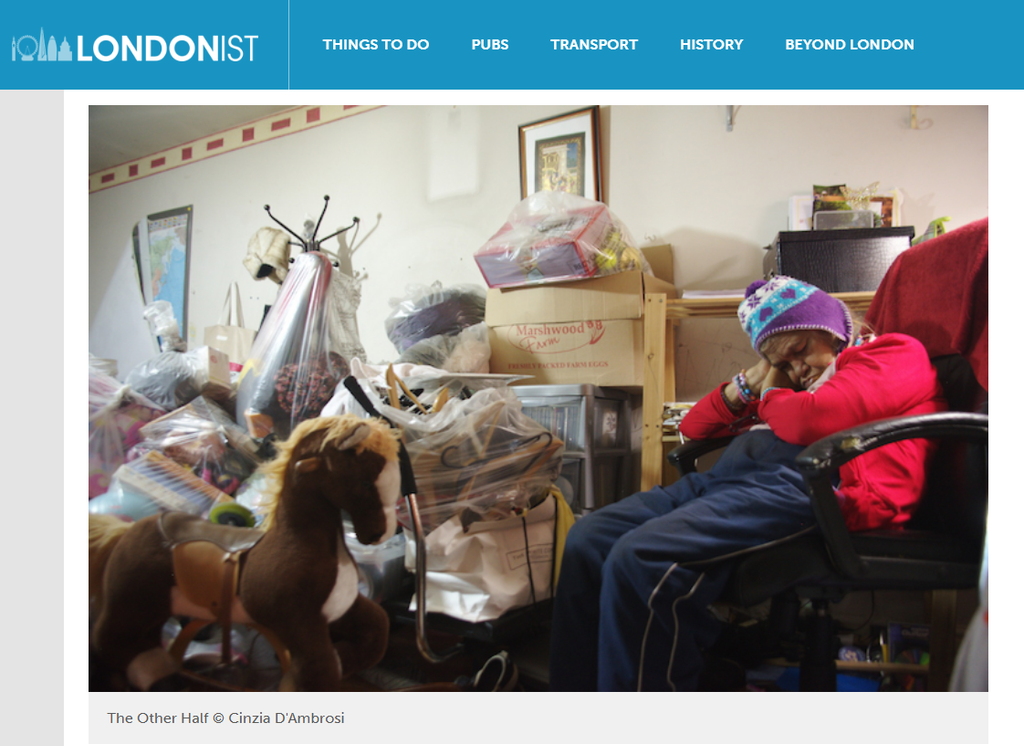
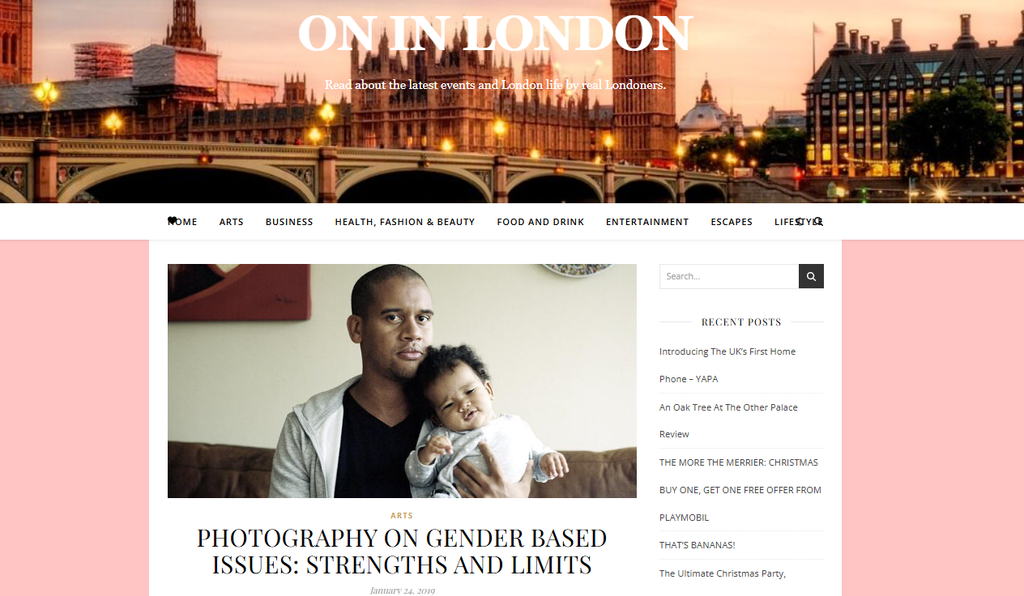
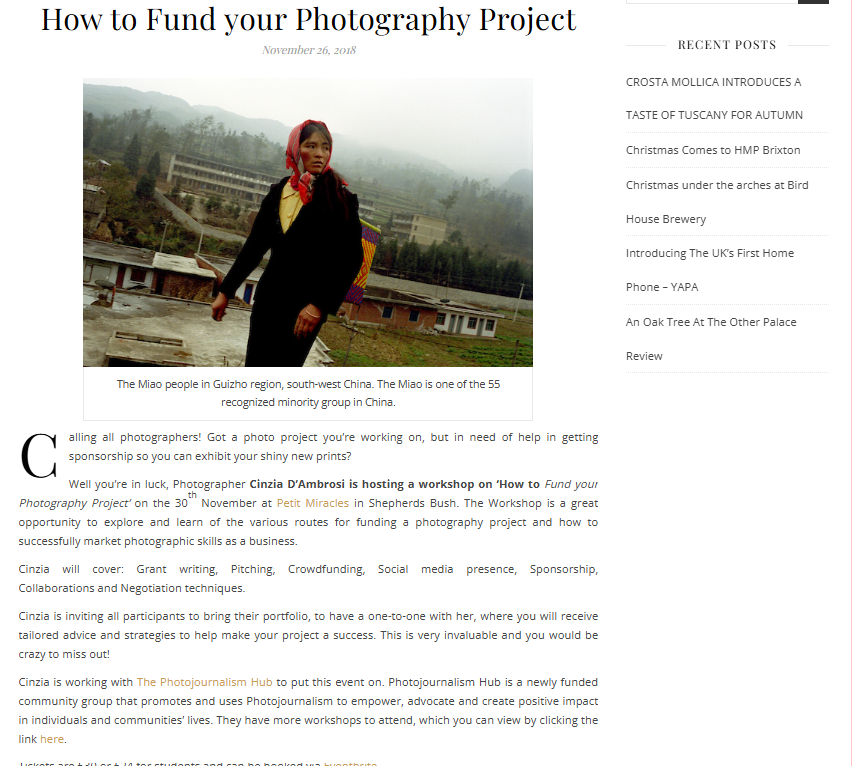
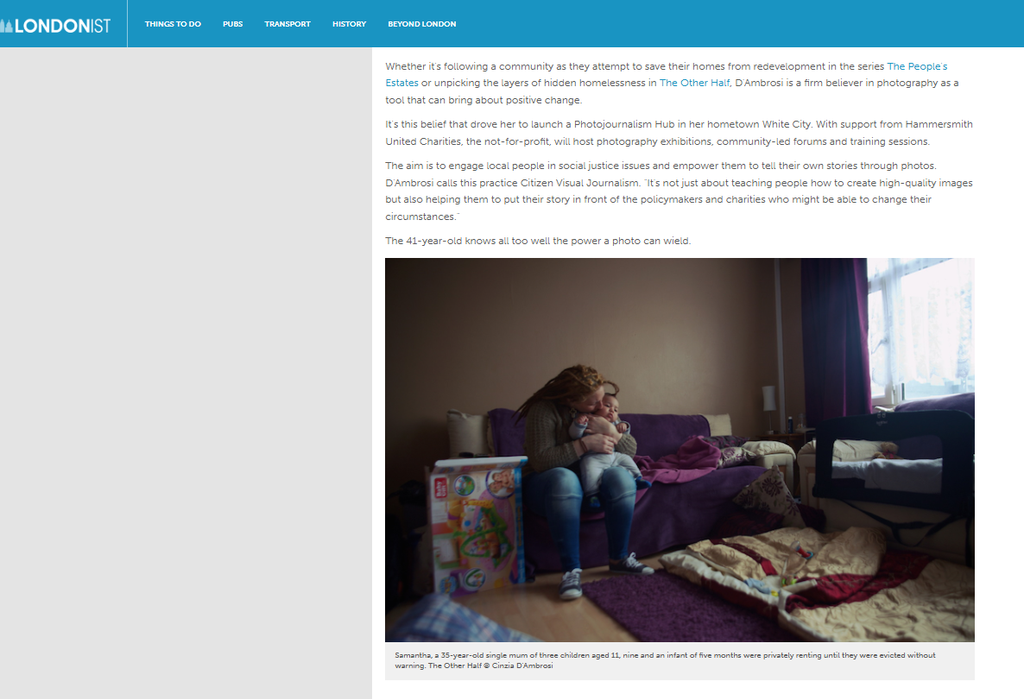
In December 2018, Londonist featured the work of photographer and Photojournalism Hub founder Cinzia D’Ambrosi in an article exploring how photography can give visibility to communities affected by poverty, housing insecurity, discrimination and social exclusion.

The article focuses on D’Ambrosi’s long-term work with communities in west London, including The People’s Estates, which documented residents facing redevelopment and the threat of losing their homes, and The Other Half, which explored the experiences of people living with hidden homelessness.

It also introduced the Photojournalism Hub, then newly established in White City with support from Hammersmith United Charities. The Hub was founded on the belief that photography can be more than a way of documenting social issues: it can be a way for people to tell their own stories, create dialogue and bring their experiences to those with the power to influence change.

At the time, D’Ambrosi described this approach as Citizen Visual Journalism — using photography to help communities document their experiences and bring their stories to policymakers, charities and wider audiences.

The article also featured Prejudice and Us, a project developed with Protection Approaches in which young people explored their experiences of racism and prejudice through photography and peer interviews. Their work created a platform for young people to share their experiences with police and councillors.

Alongside stories of poverty, displacement and insecurity, the article recognised the resilience, family connections and strength within the communities D’Ambrosi photographed. It reflected an approach that remains central to Photojournalism Hub today: using photography to understand people’s experiences, question injustice and make stories that are too often overlooked visible.

The article was published at an important moment in the development of Photojournalism Hub, documenting the ideas and values that shaped the organisation from its earliest days.
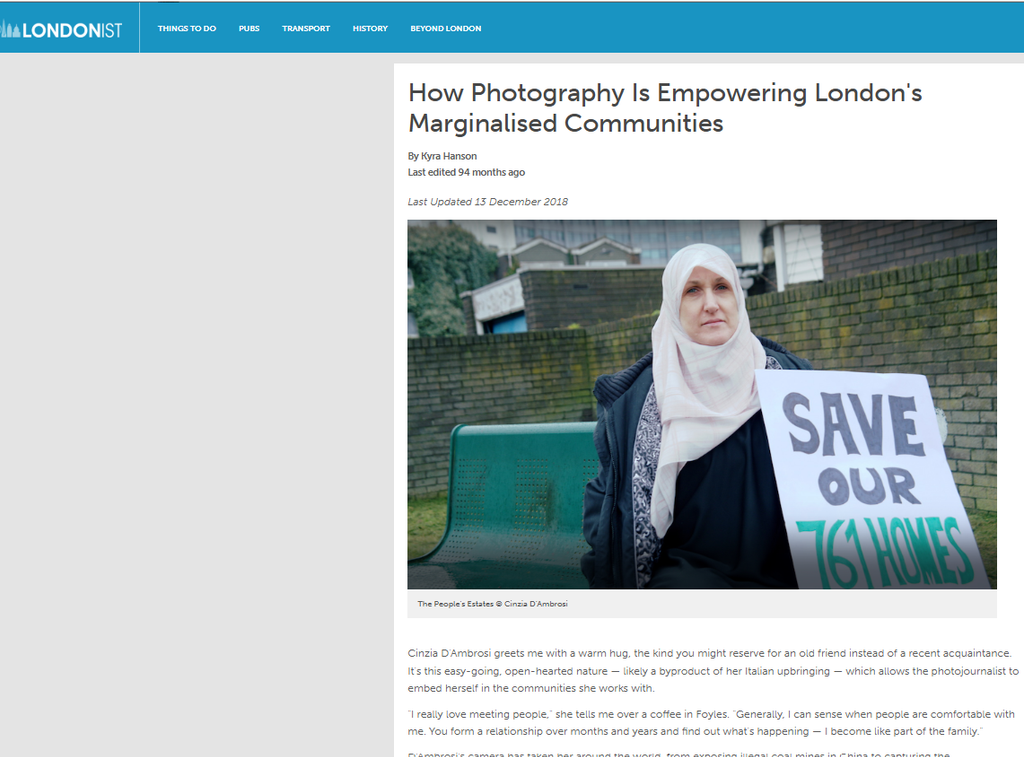
Read the full article on Londonist:
How Photography Is Empowering London’s Marginalised Communities

https://londonist.com/london/features/how-photography-is-helping-london-s-working-class-communities
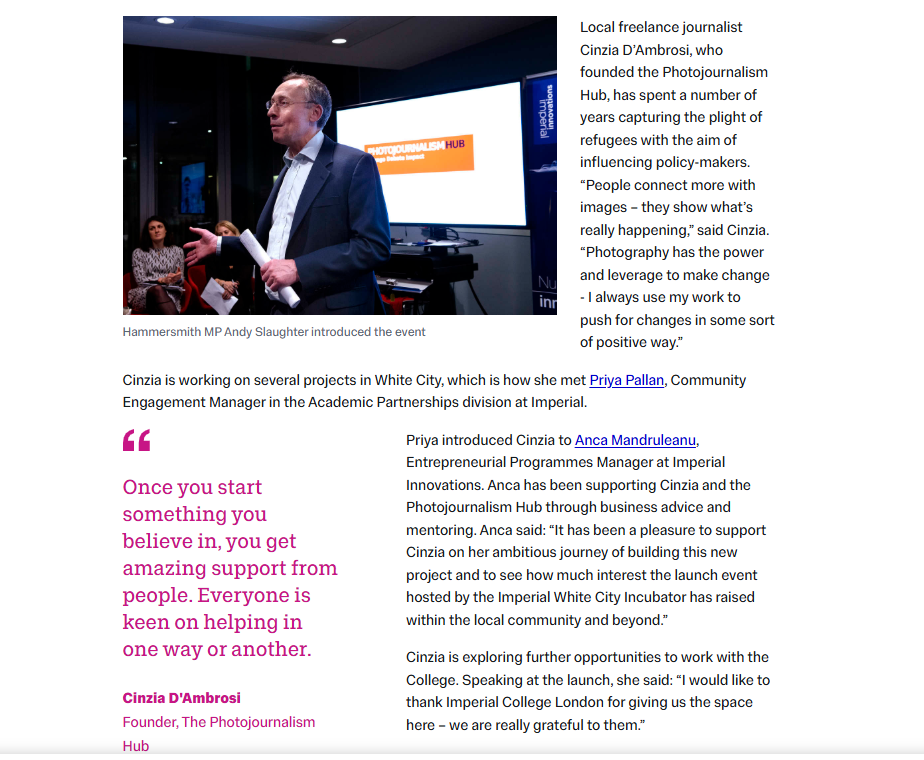
‘Helping others through images’: Photojournalism Hub launches at White City

George Hope

Imperial College London | 16 November 2018

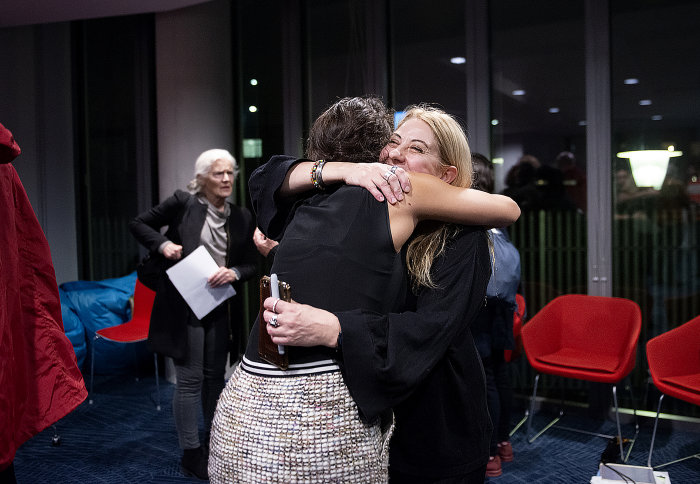
Cinzia D'Ambrosi hugs attendee of photojournalism event

A new community-led Photojournalism Hub launched at Imperial’s White City Incubator this week.

In November 2018, Imperial College London reported on the launch of Photojournalism Hub at its White City Incubator, marking the beginning of a new community-led initiative founded by photographer and journalist Cinzia D’Ambrosi.

Supported by Hammersmith United Charities, the Photojournalism Hub was established with a clear purpose: to use photojournalism to generate positive outcomes for vulnerable communities and individuals, while supporting the development and dissemination of photojournalistic work.

From the outset, the Hub brought together photography, journalism, social justice and community engagement. Its programme was intended to include exhibitions, investigative visual and written content, debates, community-led forums, training and research, creating opportunities for people to engage with important contemporary social justice issues through photography.

The launch was introduced by Andy Slaughter MP, then MP for Hammersmith, alongside local activists, journalists and photographers. Among the speakers was Daniel Renwick, who presented Failed by the State, his film made following the Grenfell Tower fire. Other contributors included Katie Webb of the Writers’ Union of Italy and veteran photojournalist David Hoffman.

The article also introduced Citizen Visual Journalism, a concept developed by D’Ambrosi through Photojournalism Hub. The idea was to enable community groups and individuals to learn how to tell their own stories through high-quality images and to identify and raise social justice issues that matter to them.

Rather than simply documenting communities, the approach aimed to give people the tools to communicate their experiences and reach those with the power to influence policy and create change.

The launch at White City established the foundations for what Photojournalism Hub continues to develop today: using photography and visual journalism to question injustice, amplify overlooked voices and create opportunities for communities to tell their own stories.

Read the original article on Imperial News:
‘Helping others through images’: Photojournalism Hub launches at White City


Photography on Gender-Based Issues: Strengths and Limits

PHOTOGRAPHY ON GENDER BASED ISSUES: STRENGTHS AND LIMITS

ON IN LONDON | 24 January 2019

In January 2019, ON IN LONDON featured Photojournalism Hub ahead of a special event exploring how photography can address gender-based issues and give visibility to experiences that are often difficult to discuss or overlooked.

The event, held at the Imperial White City Incubator on 4 February 2019, brought together photographers working on different aspects of gender, identity and violence.

Photojournalist Giovanna del Sarto and artist Antonia Porter presented their multimedia project Still Figuring Out What It Means to Be a Man, exploring masculinity in the context of South Africa.

Photojournalist Wamaitha Ng’ang’a presented Speak Out, an ongoing project centred on women sharing the stories of survivors of domestic violence.

The presentations were followed by a discussion and Q&A, creating a space to consider not only what photography can reveal about gender-based issues, but also the responsibilities and limitations involved in representing deeply personal experiences.

The article also describes Photojournalism Hub’s early mission: to promote photojournalism focused on social justice and to connect, organise and develop projects and events using photography as a tool for engagement and dialogue.

The event is part of the early history of Photojournalism Hub and reflects an approach that remains central to the organisation today — using photography to question social injustice, create space for difficult conversations and bring underrepresented experiences into public view.

Read the original article on ON IN LONDON:
Photography on Gender-Based Issues: Strengths and Limits

https://onin.london/photography-on-gender-based-issues-strengths-and-limits%EF%BB%BF/

ONIN LONDON

Calling all photographers! Got a photo project you’re working on, but in need of help in getting sponsorship so you can exhibit your shiny new prints?

Well you’re in luck, Photographer Cinzia D’Ambrosi is hosting a workshop on ‘How to Fund your Photography Project’ on the 30th November at Petit Miracles in Shepherds Bush. The Workshop is a great opportunity to explore and learn of the various routes for funding a photography project and how to successfully market photographic skills as a business.

To read more Here

No more police brutality

Photos by Deniz Turk

Another death at the hands of police brutality and the world goes on fire: enough is enough. People have descended to the streets demanding justice for George Floyd, who died on May 2nd in Minneapolis, Minnesota after white police officer Derek Chauvin knelt on his neck for almost nine minutes while handcuffed and lying face down on the street. The life of another black person so unjustly and mercilessly cut short has touched hearts and angered of millions of people around the world. Large numbers of demonstrations organised by Black Lives Matter and many more globally have demanded justice and the end of police brutality in remembrance for the many who have died because of the colour of their skin.

published on 27th June 2020

This image has an empty alt attribute; its file name is IMG_20200607_170656_644-1024x851.jpg

DENIZ TURK
IG: @DenizTurkk
www.denizturk.net

BLACK LIVES MATTER – EUROPE 2020

Paris, France

published on 10 June 2020

Photos by Roberto di Mola

Demonstrators in Paris, France. ©Roberto Di Mola

Paris, 2 June 2020: The demonstration in support of the family of Adama Traoré, a black boy died on 19 July 2016 in the barracks of the “gendarmerie” of Persan ( Val d’Oise), collected more than 20,000 people gathered outside the Court of Paris despite the prohibition of the (Prefecture). An appeal to demonstrate was launched in the previous days by the committee “Justice pour Adama” denouncing a “rejection of justice” in a case that became for its defenders the symbol of the fight against police violence: in four years, three medical investigations have denied the responsibilities of the “gendarmes”, then that a private one ordered by the family of Adama states the opposite.

©Roberto Di Mola

The demonstration follows the spear in recent days of the hashtag #Moiaussijaipeurdevantlapolice and the assassination of the afro-American George Floyd’s in the US. Assa Traoré, sister of Adama, in an interview with Franceinfo said that the death of Floyd recalls that of Adama relaunching this link in another statement issued to BFMTV where he declares that “the indignation denounced in the United States is the same as what happens in France.” After a peaceful start marked by choruses and applause, the police used force to disperse the huge crowd, causing rioting for hours in the area surrounding the Tribunal.

©Roberto Di Mola
©Roberto Di Mola
©Piero Oronzo
©Piero Oronzo
©Piero Oronzo
©Piero Oronzo

Rome, Italy

Photos by Daniele Napolitano

During the Italian National Republic Day on the 2nd June, a group of women stands in solidarity with the Black Lives Matter movement. The name of the group ‘Rete Donne Migranti e Figlie’, literally translating’ Network of Migrant women and daughters’ organised the protest in a significative place; by the monument that remembers the Italian deaths in the Battle of Dogali in 1887 during the Italian colonisation of Eritrea. On the group’s facebook page the aims of the protest are as follow: ‘June 2nd, 2020- there is nothing to praise. Today we celebrate the Italian Republic based on class, gender and race discrimination and on migrants’ exploitation and criminalization.’


London, UK

©GemmaMancinelli
©GemmaMancinelli
©FatimaSanchez
©FatimaSanchez

Photographers:

PIERO ORONZO (Paris, France)
Instagram: overview_videomaking/ /
Facebook: @overview_videomaking

ROBERTO DI MOLA (Paris, France)
Instagram: mirai.mir

DANIELE NAPOLITANO (Rome, Italy)
Website: napolitanodaniele.portfolio.com
Instagram: dani_napo /
Videos: Vimeo

GEMMA MANCINELLI (London, UK)
Instagram: @gemmamancinelli
Facebook: @gemmamanciphoto
Twitter: @gemmamanci

FATIMA SANCHEZ (London, UK)
Instagram: fatimasanchezphoto