In Focus: Jeremy Hunter & Seema Khalique
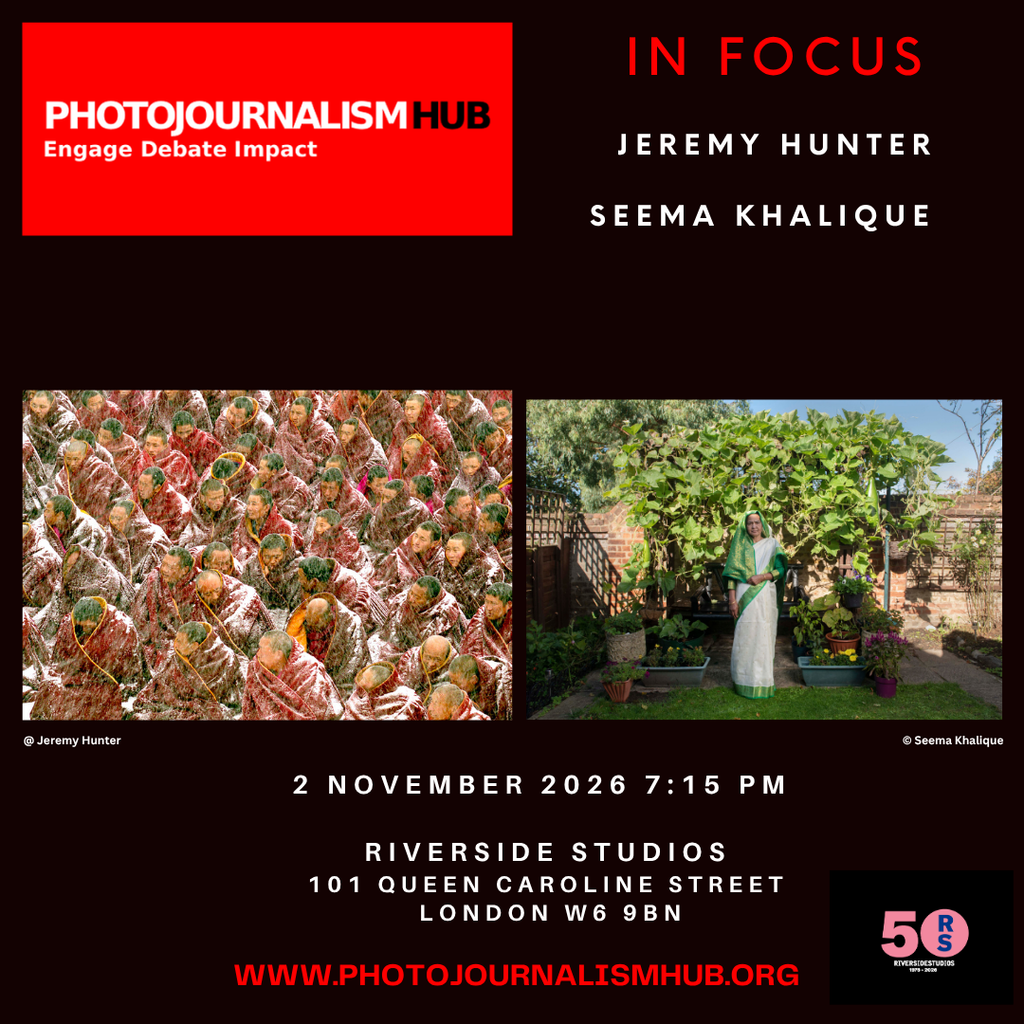
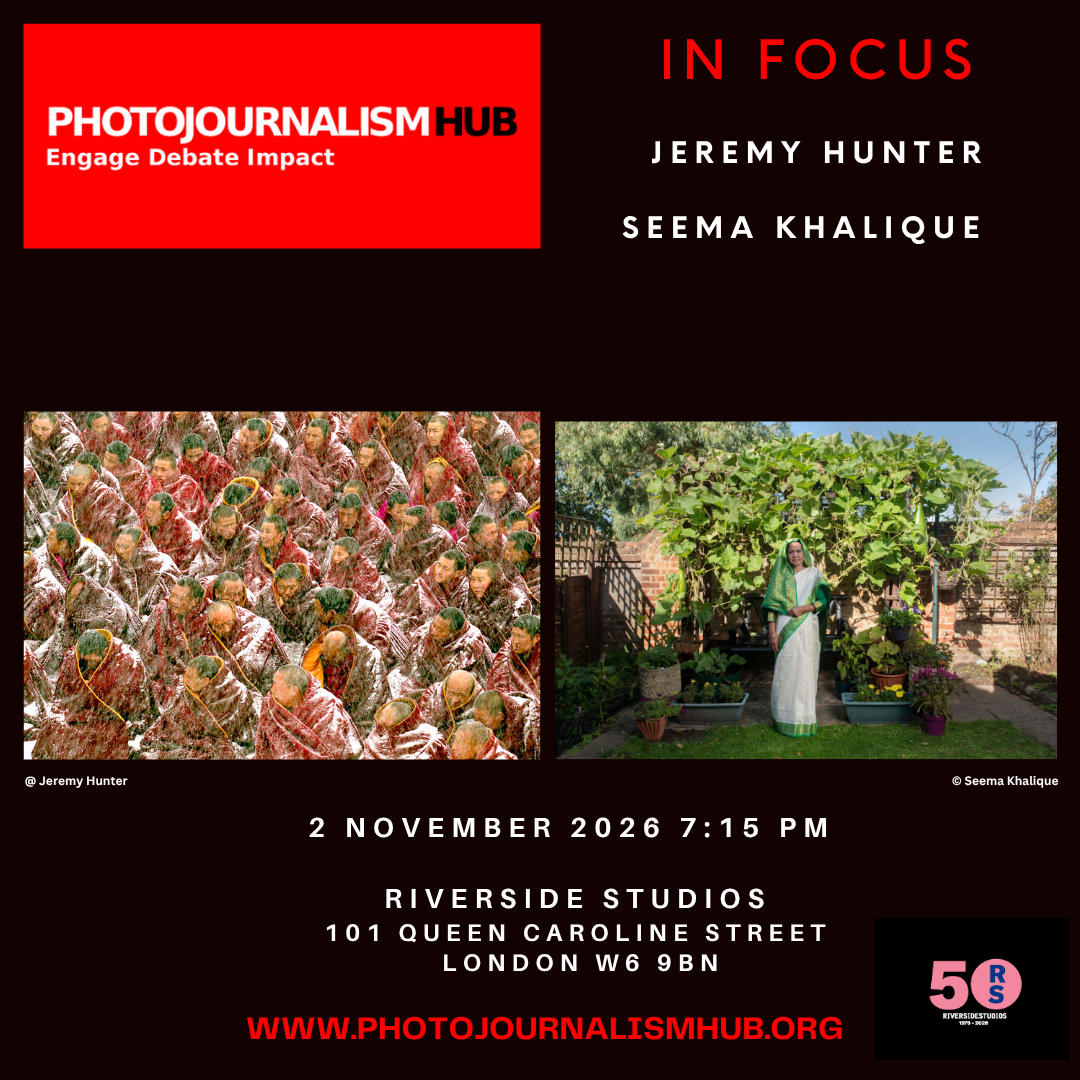
To join us: Here


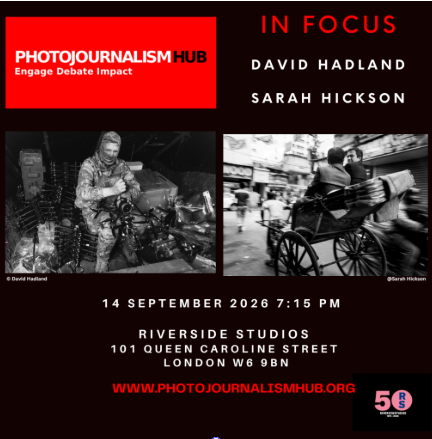
In this edition of IN FOCUS, Photojournalism Hub brings together two photographers exploring very different perspectives on culture, identity and belonging. Jeremy Hunter draws on decades of international reporting to document rituals, traditions and societies, including his extensive work in North Korea. Seema Khalique explores memory, migration and identity through photography, moving image and personal histories, giving visibility to stories that have helped shape multicultural Britain.


Jeremy Hunter
is a UNESCO award-winning British investigative photojournalist, television producer, writer and broadcaster whose career has taken him across more than 70 countries and five continents.
Beginning his career in advertising and television, Jeremy subsequently moved into broadcast journalism, reporting from politically sensitive and historically significant locations, including Lebanon during the civil war, India following the assassination of Indira Gandhi, and Portugal during its transition to democracy. He later worked with major British broadcasters, including the BBC and Granada Television.

His photography has focused particularly on festivals, rituals, religious traditions and culturally distinctive communities. His work has received UNESCO/HPA recognition, including a Documentary Award in 2011 for his work in Nagaland, alongside awards for his photography from the Sunday Telegraph, Daily Telegraph and BBC News.
Jeremy is also known for his extensive photographic work in North Korea, where he documented the country’s monumental Arirang performance, propaganda and aspects of everyday life. His illustrated presentation, North Korea Exposed – Daily Life in the Hermit Kingdom, has been delivered internationally to audiences at cultural institutions, universities and venues including the Palace of Westminster, UNESCO, NATO and the Royal Geographical Society.

His books include Sacred Festivals, published in English, French and German, and his photographs have appeared in publications including The Sunday Times, The Guardian, GEO, Stern and Condé Nast Traveller. His work has been exhibited internationally, including at Paris Photo and the Annenberg Space for Photography in Los Angeles.
Drawing on decades of first-hand reporting and photographic documentation, Jeremy uses visual storytelling to explore cultural identity, religion, politics, propaganda and the ways societies represent themselves.

Seema Khalique is a photography and moving-image artist, curator and producer whose practice explores memory, identity and personal history through documentary and portraiture. Her socially engaged practice centres around marginalised communities, using creative practices to give voice to their stories and develop new forms of community engagement.

Khalique curated About Then, a group exhibition for the Stephen Lawrence Gallery which was reviewed by the British Journal of Photography. She was also curator for Migration Quest, an immersive and interactive art exhibition at the Kobi Nazrul Centre. Khalique is Artist and curator of Londoni Memoirs which exhibited at Four Corner.
Khalique is currently exhibiting at Brighton Photo Fringe 2026. She is a Photoworks Photography Champion for Medway and a Board Member at Four Corners. 

Londoni Memoirs is a collection of portraits, curated ephemera, artifacts, heirlooms and video-interviews of 12 Bangladeshi migrants from 1950s-70s, documenting their exodus from genocide during the 1971 liberation war and watching their motherland’s independence from afar while making UK their home. The project grew from Seema’s own search for a family history that had largely remained undocumented, especially of her late father’s early life in the UK. He arrived in Britain in 1956, followed by her mother in 1973 after the Bangladesh Liberation War, both in search of a better life. At the heart of Londoni Memoirs is the experience of a generation caught between two defining moments: escaping genocide during the Bangladesh Liberation War and establishing a new life in an unfamiliar foreign country. The project considers how these experiences helped shape not only British Bangladeshi identity, but also the country as a whole through the generations born in Britain afterwards.
Londoni Memoirs seeks to honour a generation whose contribution was pivotal in the development of the multicultural society that exists in the UK today.

IN FOCUS is produced by the Photojournalism Hub in collaboration with Riverside Studios to present compelling, thought-provoking, independent and courageous photo storytelling.
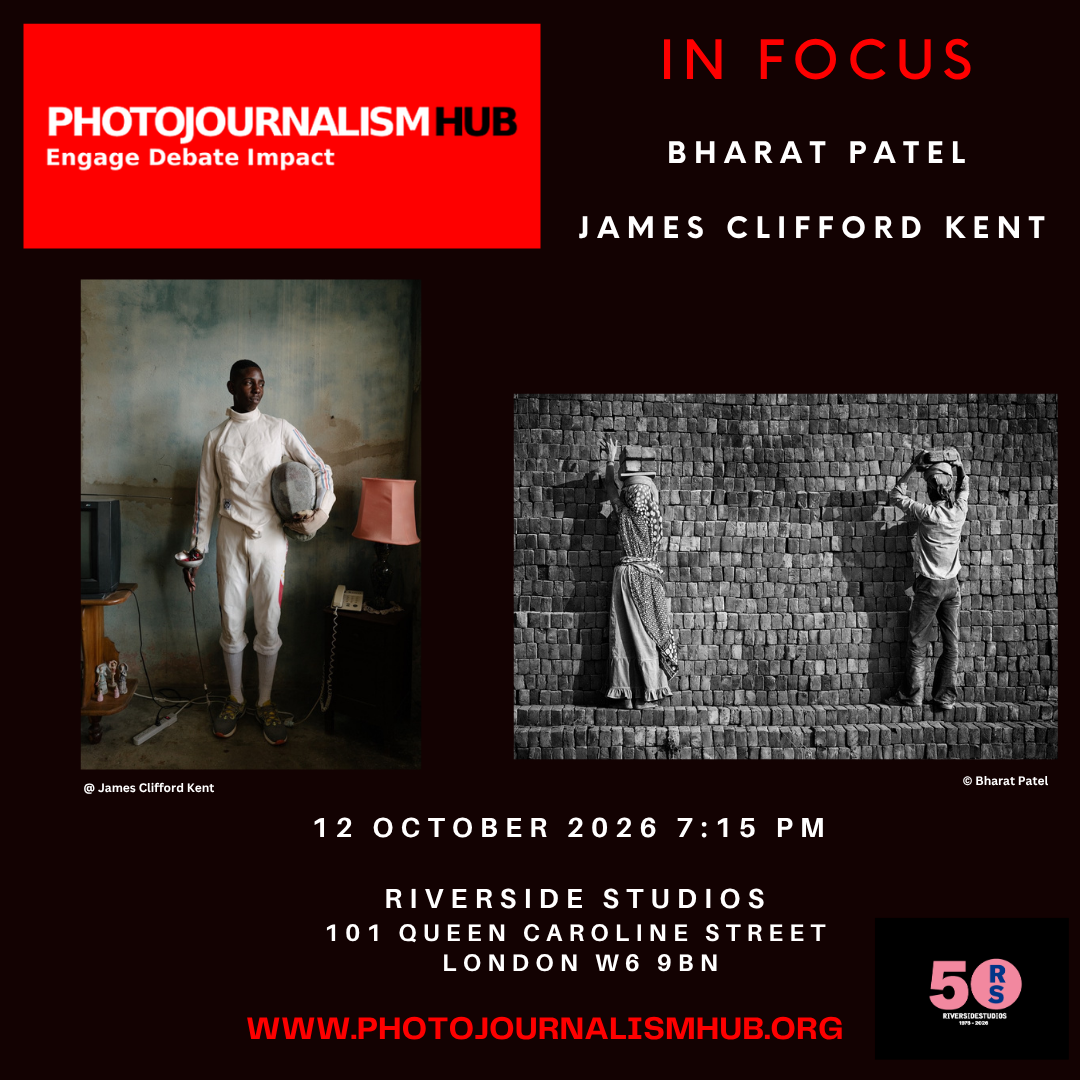
IN FOCUS: Chiara Fabbro and Ruth Toda-Nation

To book a place: HERE

Join us for a special edition of the IN FOCUS: a Photography Evening event at Riverside Studios, as part of the exhibition ‘Covid-19 & Beyond‘. The IN FOCUS features two acclaimed documentary photographers Chiara Fabbro and Ruth Toda-Nation, whose work in the exhibition explores the profound impact of the pandemic on society’s most marginalized and overlooked groups.

Chiara Fabbro is an Italian documentary photographer based in London, whose work focuses on social issues. She has worked in a variety of places, from the suburbs of Kuala Lumpur, in Malaysia, where those who have fled conflict and persecution cannot be granted refugee status and are forced into a life in limbo; to the squats in the Balkans where migrant men, women and children get stuck during their journey towards Europe; to the beaches of the Canary Islands, the destination for thousands of people who every year set off in flimsy boats from the coast of West Africa, facing what is arguably the most dangerous journey to Europe.
Chiara’s work has been published in a range of print and online magazines and newspapers, such as Al Jazeera English, Balkan Insight, Altreconomia, Solomon and El Salto. She has also collaborated with several NGOs for their advocacy and fundraising campaigns. Chiara has won the 2021 Portrait of Humanity award and received an honourable mention in Photography 4 Humanity Global Prize 2020, supported by the UN Human Rights Office. In 2022 she was shortlisted for the Marilyn Stafford FotoReportage Award and she was selected for Earth Photo 2025 Award.

Between Borders: Finding Refuge in a Pandemic – Faces and feet were telling the story of a long journey – hundreds of kilometers on foot, across mountains and rivers. The fear of the push-backs at the borders, often violent and degrading, was giving way to the relief of finally reaching Italy, mixed with the uncertainty of what lay ahead. 
These young men travelled along the Balkan route of migration in 2020, and arrived in Trieste amidst the pandemic. Access to temporary shelters was limited due to COVID-19 measures, leaving people in transit with no choice but to sleep rough. The pandemic weighed heavily on them, as borders were tightened further and reports of push-backs increased. It also stirred negative feelings towards migrant people, with some accusing them of spreading the virus. The already unwelcoming climate towards those seeking refuge became even harsher.
Yet the commitment of the volunteers from Linea d’Ombra, caring for those in transit through Trieste, created a small corner of humanity. Every night on the street, then as now, they tend to wounded feet, fill empty stomachs and replace worn-out shoes with new pairs for the road ahead.

Ruth Toda-Nation ’s photographic practice is informed by a nomadic childhood bridging two cultures, Japan and Britain. She began photographing in Liverpool in the 1980s and later in the rural areas of northern Japan. She continues to document the communities where she lives. Her intimate approach interweaves themes navigating family dynamics and community bonds while reflecting on ageing, loneliness, transience, and departure. Ruth often combines images with words drawn from interviews to amplify the voices of communities she documents allowing their stories to unfold.
Her first book, Our Lockdown Garden, was published by The Mindful Editions in 2022. Her recent body of work, Love is a Life Story, received the Royal Photographic Society Documentary Photographer of the Year award in 2023, and portraits from her ongoing project 900 Yards featured in Portrait of Britain 2023.

The projects, Love is a Life Story and Our Lockdown Garden document the pandemic lockdown experience of my father John (91) and his friend and neighbour Mary (97) as residents of a retirement community and care home in Milton Keynes, UK. John and Mary’s friendship and journey through lockdown reflects many of our eldest citizens experiences as friendships replaced family. 
Given their age they were aware that they may never have come out of lockdown, yet their personal voices were lost amongst the incessant news bombarding us with the mortality figures of this very vulnerable group. With no requirement to test discharged patients being sent back into care from hospital, deaths in care homes rose sharply. As a result, it is estimated that a quarter of known coronavirus deaths in Great Britain took place in care homes. 
The invisibility of this generation— The Silent Generation—was amplified during the pandemic, and many spent their last moments alone and deprived of their loved ones. If a society’s humanity is measured by how it treats its most vulnerable members, then I can’t help asking: did we do enough? 

IN FOCUS is presented by the Photojournalism Hub in collaboration with  Riverside Studios, bringing to the public compelling and thought-provoking contemporary documentary photography and photojournalism.

INTERVIEW: Cinzia D’Ambrosi of the Photojournalism Hub

New exhibition set to explore the hidden inequalities exposed by the Covid pandemic. You can help make it happen!

The borough’s local Photojournalism Hub is inviting you to support its new exhibition and workshops, entitled: Covid-19 and Beyond. It is due to open in Fulham once the hub has raised enough funding – details below on how you can support.

The new exhibition and workshop series aims to give a voice to those most affected by Covid, said Cinzia D’Ambrosi, the hub’s founder and a multi-award-winning photojournalist.

Raised in Italy, Cinzia has dedicated her career to using photography for social change. Her work has earned international recognition, including the Spiga d’Argento from FIDAPA (Italy), awarded for promoting peace through photojournalism and documentary photography.

The hub is one of many community-led groups that receive financial support from Hammersmith & Fulham Council as part of our commitment to building a stronger, safer and kinder borough.

Inequalities

“The pandemic exposed deep inequalities that many people still live with every day,” said Cinzia. “Through this exhibition, we want to give those affected a platform – and start a conversation that leads to real change.”

It features striking images and personal testimonies gathered during the pandemic, shining a light on issues such as housing, race, immigration status, women’s rights and mental health.
It also hopes to address the deepened and long-standing divides, widening inequalities, and the curbing of freedoms such as freedom of speech that have arisen from the pandemic.
The free community workshops will invite residents to share their own stories, said Cinzia, while schools will take part in guided tours. Meanwhile, panel discussions will bring together experts and local voices to keep the conversation alive.
She said: “This project is about helping people in ways that count. And empowering under-represented voices in our communities and encouraging a shared understanding. By creating a platform for dialogue, we hope to strengthen community ties and inspire change.”

Founder of Photojournalism Hub, Cinzia D’Ambrosi

Founder of Photojournalism Hub, Cinzia D’Ambrosi

Impact

The Photojournalism Hub has a proven track record of telling powerful stories in H&F. It’s done this through two free documentary photography courses for residents. These were initially funded by the NHS and delivered in partnership with H&F Council which saw more than 60 young people learn photography, how to build portfolios, and publish their work in print and online.
Some of these young people have gone on to study photography at university, while others have secured paid roles, including photographing major events like The Great Exhibition Road Festival.
Cinzia says the hub empowers people to tell their own stories: “Through workshops, mentoring, and our community photography magazines, we give space to local voices. It’s about democratic storytelling – where residents shape the narrative.”
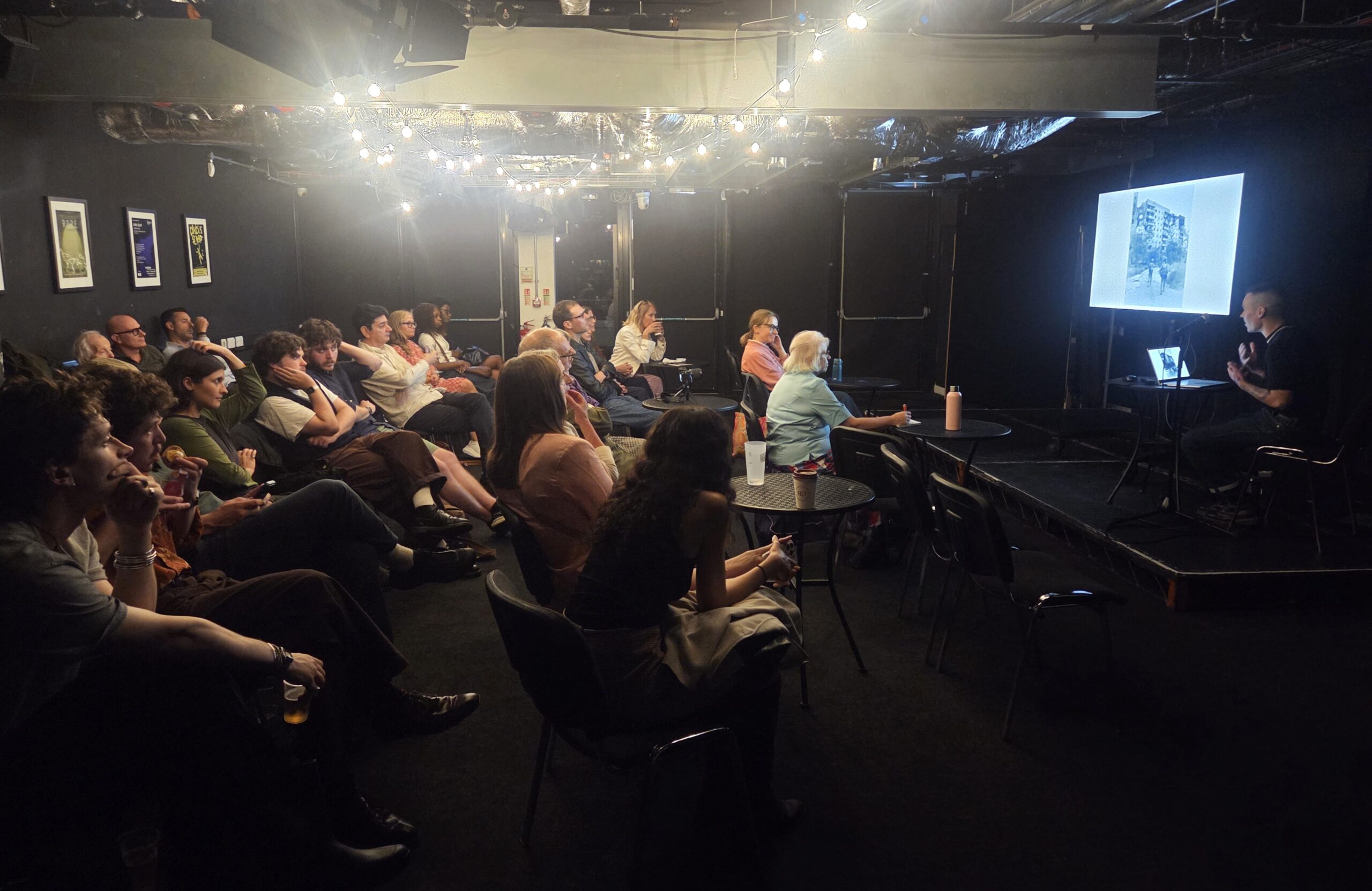
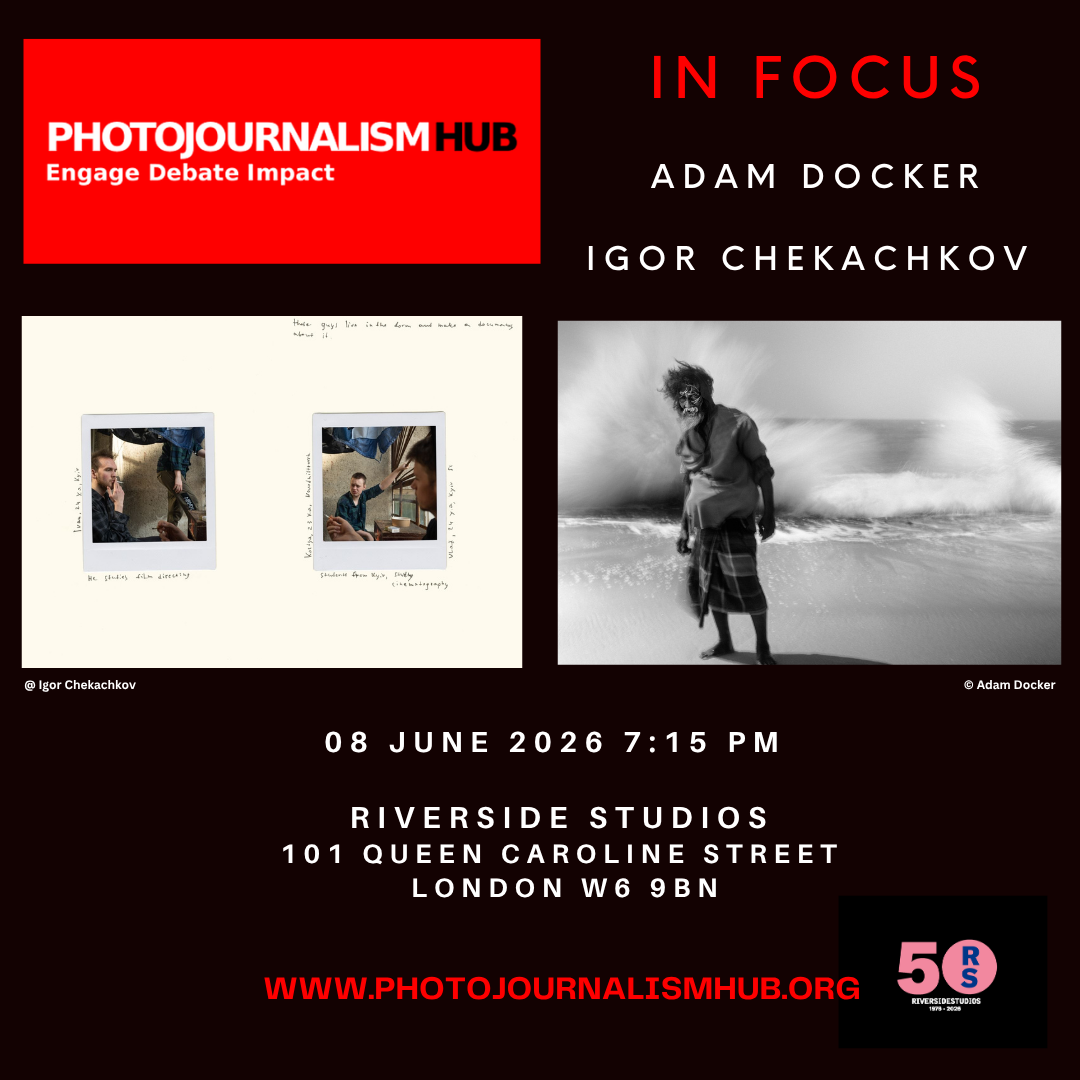
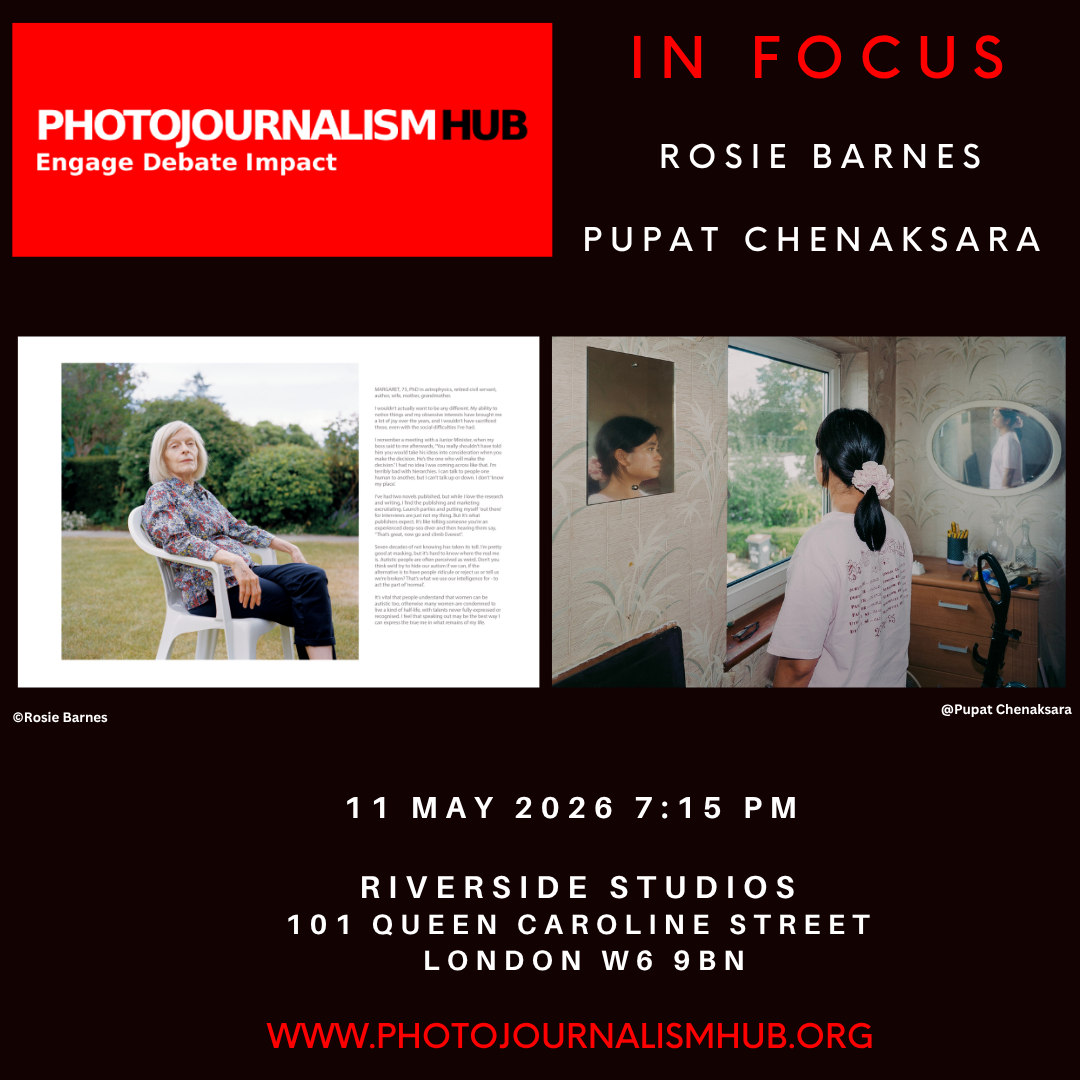
Beyond its local work, the Photojournalism Hub also collaborates globally, sharing powerful stories through events like the In Focus series at Riverside Studios.
She added that the hub also acts as historical archive, with many photographs and testimonies submitted during the pandemic – forming a unique record of lived experience.
“Above all, I want the Hub to be a space where stories take shape and inspire positive action. Photojournalism can build real bridges between communities, perspectives, and lived experiences,” says Cinzia. “It gives people the tools to document real stories, challenge mainstream narratives, and spark meaningful dialogue.”

Students taking their photography course

Students taking their photography course

The journey begins with selecting the final photographs and stories from an open call.
This campaign is part of H&F Council’s wider support for community-led projects that make our borough a better place for everyone. Please support the campaign on Spacehive.
Support ‘Covid-19 and beyond’

Remembering Grenfell

The Ethiopian community mourn the deaths of their own children and families that died in the Grenfell Tower fire. Among the mourners are school children and family members of those that died. ©Cinzia D’Ambrosi

June 14 marks eight years from the Grenfell Tower fire. The grief remains deep. Grenfell tower stands as a painful reminder of a preventable tragedy that claimed 72 lives on the night of June 14, 2017.

These photographs of the community coming together to grief the loss of lives, are not just a documentation of a moment in history, they are a call to remember, to reflect, and to remind us that the fight for justice continues. Above all, to uphold the principle of equality for all.

Grenfell Tower, the community leaves messages in a memorial wall.©Cinzia D’Ambrosi

The pain felt by the Grenfell community is not just personal. It is the pain of institutional failure, of systemic inequality, of lives devalued. Inequality cost lives. This was not simply a tragedy. It was, and continues to be, a profound human rights failure.

©Cinzia D’Ambrosi

Eight years have passed and as we stand together in remembrance, we pledge to fight for meaningful change, and for equality.

Cinzia D’Ambrosi
Documentary photographer and journalist
www.cinziadambrosi.com
Instagram: @cinziadambrosi

IN FOCUS: Myah Asha Jeffers & Paulina Korobkiewicz

24th February 2025, 7 pm
Riverside Studios
101 Queen Caroline Street
London W6 9BN

IN FOCUS brings together two remarkable photographers whose works centre on the themes of community and diaspora, exploring identity, memory, and the cultural landscapes that shape collective experiences.

Myah Asha Jeffers is a Barbadian-British writer, director, photographer and dramaturg. As the previous Literary Associate at the Royal Court Theatre, she was responsible for shaping the works of new and established playwrights. 
Myah’s photographic work has won the Portrait of Britain Prize twice and The Photography Foundation Social Documentary Award. She is the 2024 recipient of the renowned Joan Wakelin Bursary (Royal Photographic Society & The Guardian). 
Her photographs have been featured in publications such as Vogue, The Guardian, The Sunday Times Magazine, ELLE and The Independent amongst others. She has also worked in collaboration with the likes of Tate, Somerset House, ICA, South London Gallery and Whitechapel Gallery.  Myah’s debut short film Bathsheba world premiered at Inside Out (TIFF) and has screened at festivals including New York Shorts, Leeds FF, Norwich FF and Atlanta’s Out on Film, garnering nominations at multiple festivals for Best British Film and Best Director.
Myah’s practice
I am a photographer, writer and director, particularly interested in witnessing and documenting the nuances of daily life within diasporic communities. My practice is conceptually focused on ‘Black Interiority’, where I closely examine themes such as class, cultural identity, queerness, grief, gesture, and truth. Working solely with small & medium format analogue cameras and darkroom-based hand printing processes, the work is particularly concerned with the intersection of “naturalism” and “myth”, through illuminating the magic of rituals, quiet, and connection. With a focus on the (in)tangibility and truth of grief / its relationship with what I call “living abstraction” – where Black folk sculpt or construct versions of themselves as a tool for survival;  I aim to make work that lends itself to abstraction through the experimentation with form, monotone, texture, and structure.
Exclusion Zone.
I’ll be presenting a first preview of my most recent project, Exclusion Zone supported by the Joan Wakelin Bursary and the Visual Studies Workshop Artist Residency. In 1995, a series of seismic Volcanic eruptions rendered two thirds of the island of Montserrat uninhabitable, catalysing a mass exodus. With now only 20% of the island deemed habitable and a current population of just over 4000 people – Montserrat is one of the least populus countries in the world. It also happens to be one of the few remaining British colonies. The uninhabitable 80% of the island is known as the “Exclusion Zone” – a site of buried infrastructure, homes and memories. It is both a graveyard for relics of the past.
This photo series explores the legacy of the natural disaster 30 years on; through the lens of both elders who are nostalgic of what the island was and young people who only know the island for what it is today. 

Paulina Korobkiewicz (b. 1993, Suwałki, Poland) is a London-based photographer and visual artist. Her work explores themes of cultural identity, memory, and the transformation of social spaces. Her projects focus on the visual and cultural landscape of her hometown and region as well as that of her current residence in the UK, documenting everyday scenes and environments with a sense of nostalgia and socio-political commentary, drawing from her own experience of migration. Her practice involves community-based research, conducting workshops, and mentoring. In addition to developing long-form personal projects, Paulina continues to undertake commissions and residencies.
She has participated in several group and solo exhibitions internationally. Her work has been featured in a variety of publications, such as Hapax Magazine, Kajet Journal, Contemporary Lynx, Photomonitor, the BJP, and Creative Review. Paulina is a winner of the Camberwell Book Prize, has been shortlisted and nominated for awards including BarTur Photobook Award, Magnum Graduate Photographers Award and Prix Pictet.

BECOME A PJH MEMBER
Consider becoming a member of the Photojournalism Hub. Your support will enable us to continue our work promoting photographic work that expose, raise awareness of social justice issues. To learn more how to become a member and the benefits of joining, follow the link HERE

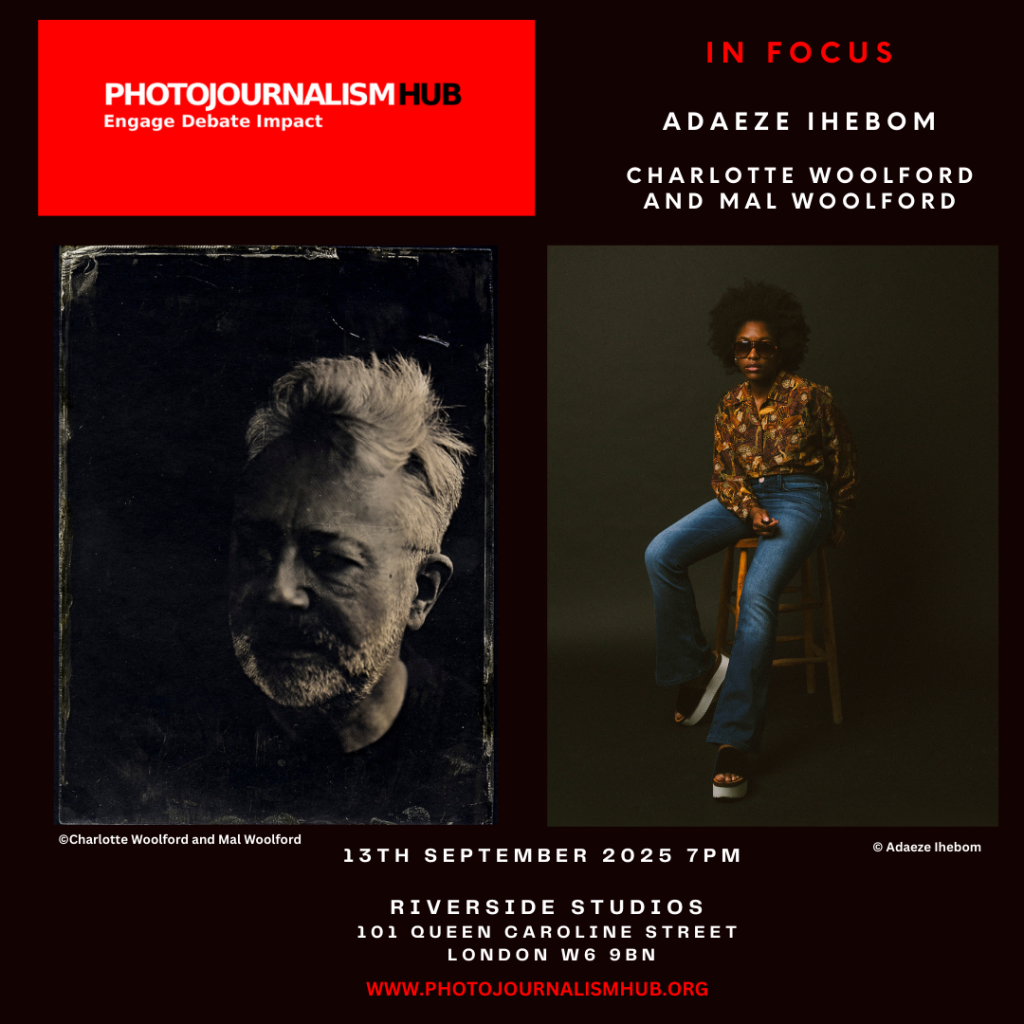
IN FOCUS: Adaeze Ihebom & Charlotte Woolford and Mal Woolford

13th January 2025, 7 pm
Riverside Studios
101 Queen Caroline Street
London W6 9BN
To join: HERE


From self-portraiture that reclaims Igbo women’s identities to a collaborative exploration of historic ties to transatlantic slavery, photographers Adaeze Ihebom, Charlotte Woolford, and Mal Woolford confront history’s erasures. Ihebom’s Igbo Woman series challenges colonial narratives and reimagines the strength of pre-colonial Igbo femininity, while the Woolfords’ wet-plate collodion portraits uncover shared ancestry and redefine representation through co-creation. Together, they navigate themes of identity, isolation, and transformation across time and culture.

Adaeze Ihebom is an Italian-Nigerian artist who explores themes of identity and isolation. She has a degree in Digital photography from Ravensbourne University and has a Masters degree in Photography arts from the University of Westminster.
Adaeze will present her Igbo Woman series – This series was inspired by Things Fall Apart by Chinua Achebe which traces the evolution of family identity from pre-colonial, through colonial and post-colonial times. In a series of self-portraits, in which I performativity explore women from various periods of history. As
fictional characters, I construct their identities through costume, performance and the act of naming and dating the images.
The decision to highlight Igbo women is rooted in my belief that she has been grossly misrepresented. To be more precise, I personally feel that history has not portrayed the Igbo woman in her rightful perspective. She is usually shown in images that correspond to a supposed African man’s world and the idea of feminine submissiveness to the man. The series is a way to challenge this mistaken notion and to show how colonialism has further removed feminine freedom from the Igbo woman.
The portraits depict the colonial experience and the effect and impact of Christianity on Igbo women. It shows the female transformation from a virile, half-clad, war-like Igbo damsel to a mundane, all covering and meek-looking woman. This transformation shows both a radical departure and complete alienation from traditional dressing modes. Their lives changed irrevocably when the British invaded the Igboland. Colonization changed not only the religious, social and political institutions. It also enforces policies that diminished the roles and statues of Igbo women making them look like second class citizens.

Charlotte Woolford and Malcolm Woolford Having known each other from the school pickup, Charlotte and Mal discovered by chance that they share the surname: Woolford.
Archival research revealed that they are connected through historic transatlantic chattel slavery and a household of enslavers and enslaved in Georgetown, Guyana. Two hundred years later, they are neighbours.
Charlotte and Mal use the early photographic technique wet-plate collodion to make closely observed portraits not as photographer and model but as co-photographers. They trouble the historic use of photography to explore equal control and representation.

BECOME A PJH MEMBER
Consider becoming a member of the Photojournalism Hub. Your support will enable us to continue our work promoting photographic work that expose, raise awareness of social justice issues. To learn more how to become a member and the benefits of joining, follow the link HERE

Photojournalism Hub x William Morris Museum

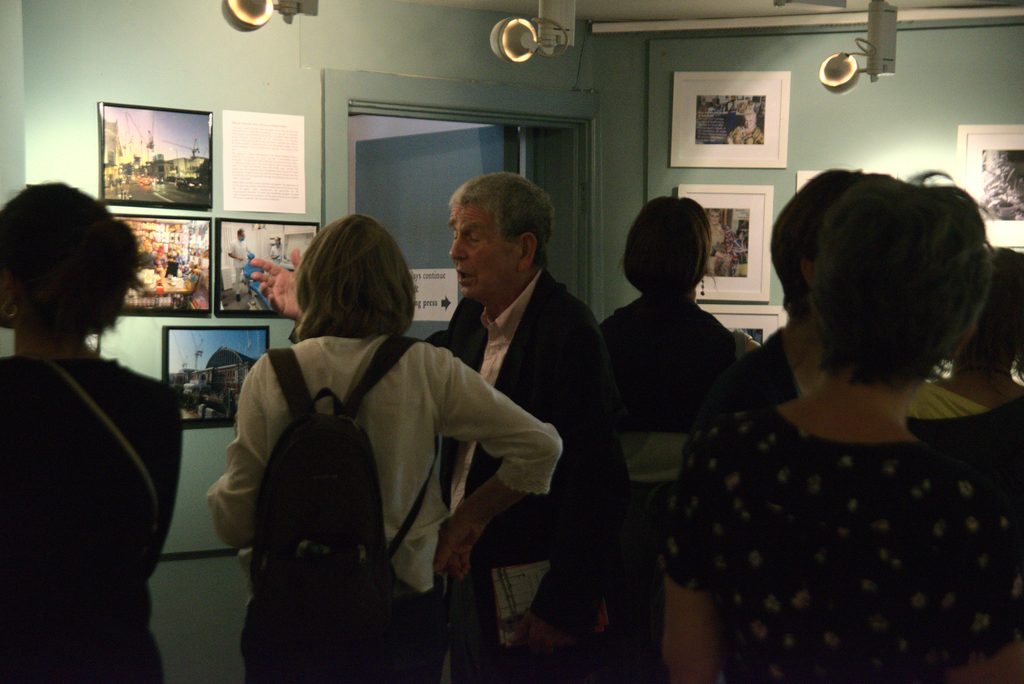
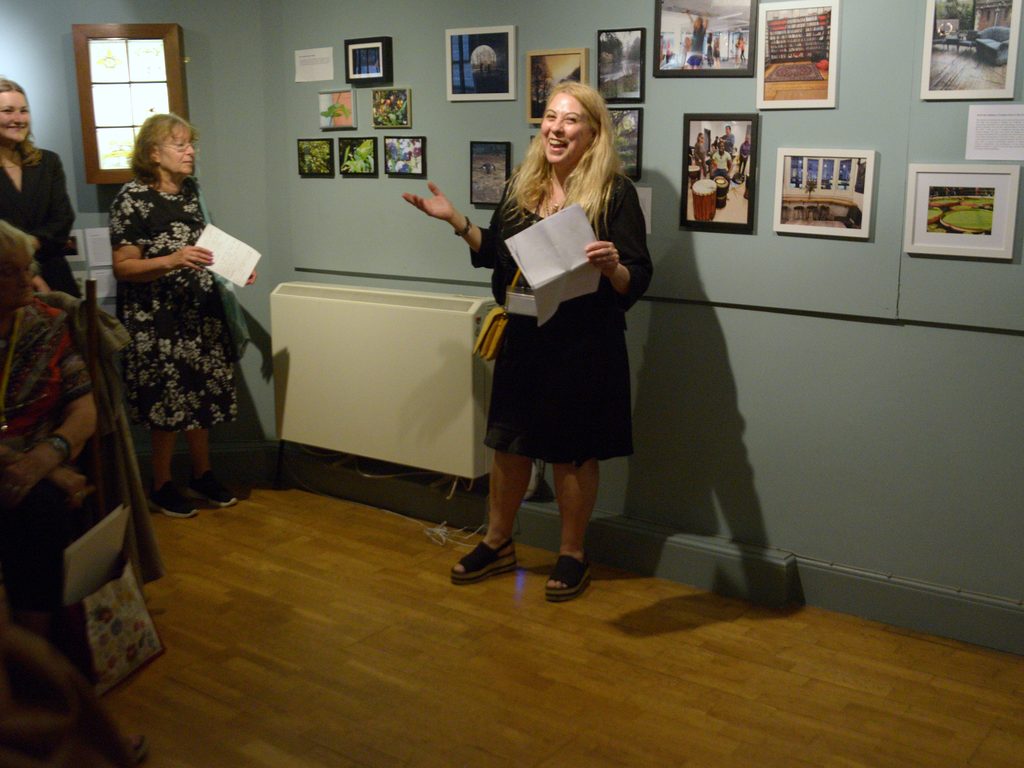
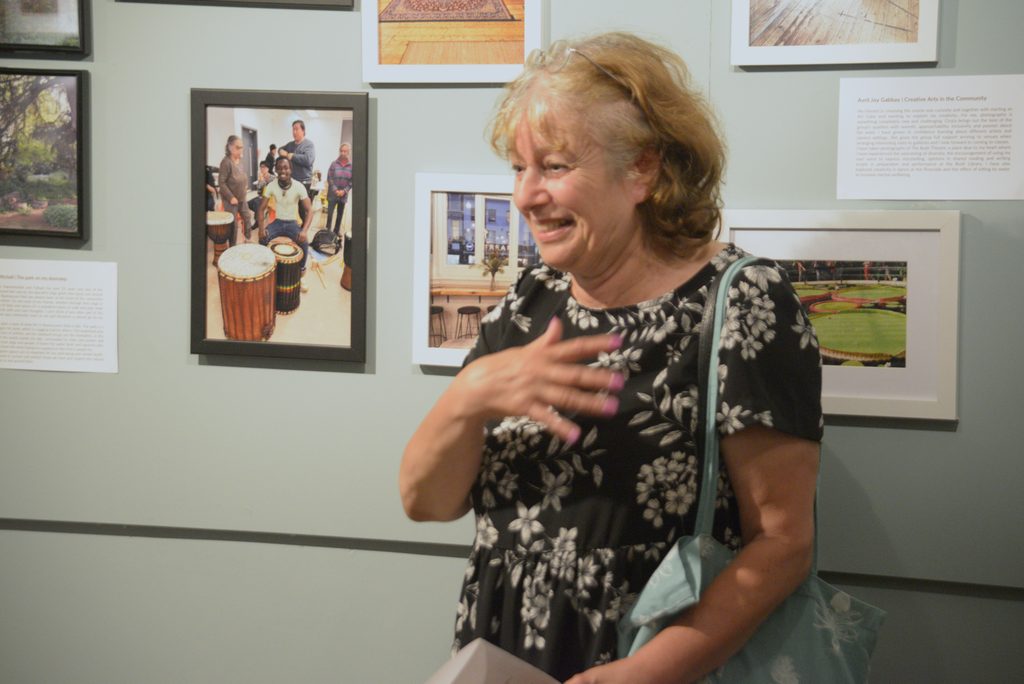
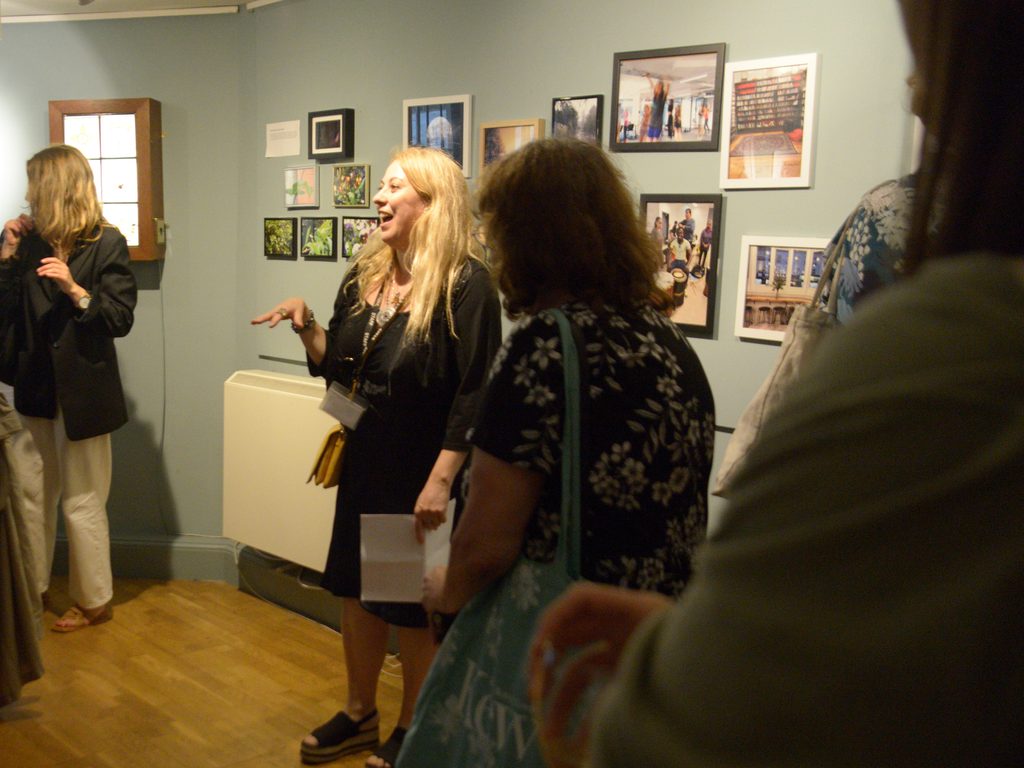
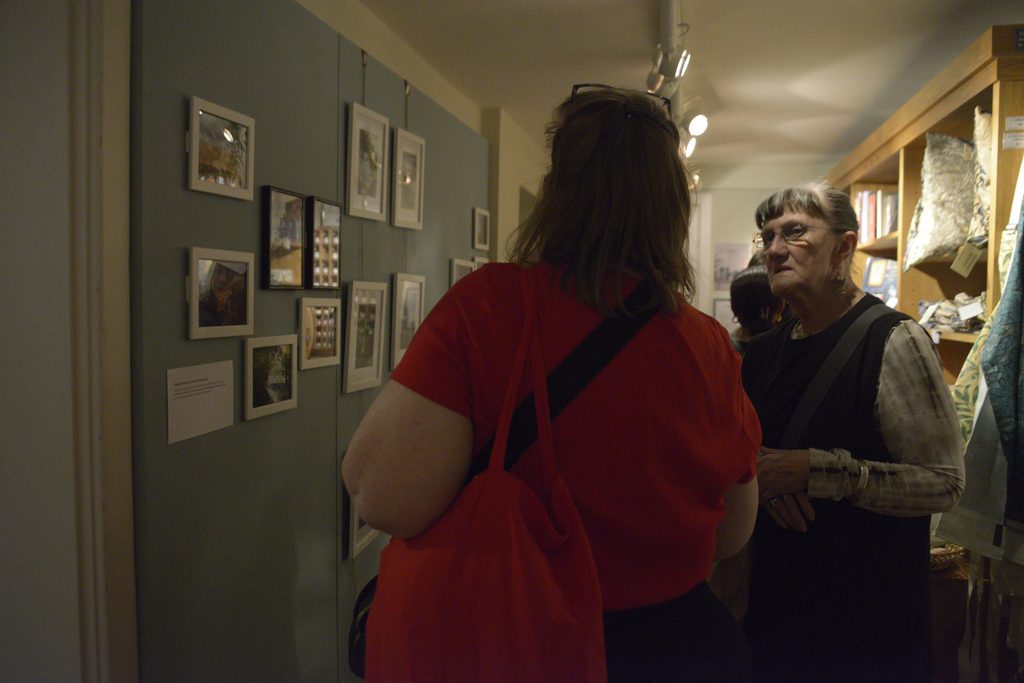
“Me and My Community” is a documentary photography project celebrating residents aged 50 and over in Hammersmith & Fulham. Bringing together a diverse cohort of participants aged 50 to 89, the project provided a creative platform for regular collaboration, resulting in a collection of truly extraordinary photographic work.

Through their lenses, participants explored the concept of community—examining what it means on both a deeply personal and collective level.

The project culminated in a highly successful exhibition at the iconic William Morris Society in Hammersmith. The showcase drew enthusiastic crowds, vibrant community engagement, and widespread praise for its intimate, powerful portrayal of local life, marking a memorable and celebratory conclusion to the project.

POLARITY

Cover image of Polarity exhibition is an image of Syreta Boost, a photographer who documented the lives of female army cadets in Jamaica


“In the wake of a very polarised world, where nothing is certain, risking polarity means embracing the extremes. It challenges us to confront our differences and find clarity amidst the chaos. Polarisation seems to be behind or becoming the underlying cause of many conflicts and social issues of today, impacting global, national and local stability and peace, and impacting the lives of the most vulnerable people and economic places around the world.” – Cinzia D’Ambrosi

Photojournalism Hub is proud to present Polarity, a documentary photography exhibition showcasing selected works by photographers from around the world, responding to our Open Call on the theme of polarisation.
In an era increasingly defined by division, polarisation has become a powerful force driving social, political, and economic gap. From the ongoing war crimes in Ukraine and Gaza to escalating violence across Africa and deepening inequalities fueling conflict and division, our world faces profound challenges. Polarity brings together compelling visual narratives that confront these divisions, telling stories of resilience, resistance, and the human impact of conflict, inequality, and climate disasters.
At the heart of Polarity is the belief in the transformative power of photo documentary storytelling to amplify marginalised voices and humanise those often overlooked in global narratives. The selected photographs offer raw and powerful insights into the lives of those affected by injustices, shedding light on the complexities of our polarised world.

Polarity offers a space for reflection, dialogue, and a deeper understanding of the forces shaping our divided world today. Each image forms part of a broader photographic series that reflects, exposes, and bears witness to our shifting global landscape. As viewers, we are confronted with a vital question: In the face of such polarisation, where are we headed?

Polarity is curated by Cinzia D’Ambrosi, director and founder of the Photojournalism Hub.

Featured photographers are: Angelo Scelfo, Anna Maren, Ayan Das, Cinzia D’Ambrosi, Denise Felkin, Elisa Mazzucca, Ellie Švrlanská, Francesca Gabbiadini, Gašper Lešnik, Gianluca Colonnese, Justin Makangara, Mariusz Smiejek, Matteo Placucci, Nathaniel White-Steele, Racheal Tse, Rebecca Stella, Richard Zubelzu, Sabrina Merolla, Sloane Warren, Stuart Leech, Suzanne Valkenburg, Syreta Boost, Tommaso Stefanori.

The exhibition is accompanied by a Photobook fair showcasing photobooks and zines by contemporary photographers. The photobook fair is open daily from 11 am to 5 pm and during the Opening night from 5 pm to 9 pm.

We are very grateful and we express our heartfelt thanks for their support:

Sands End Arts & Community Centre
Studio Twenty7
Zelda Cheatle
Digital Lab

Press Inquiries: cinzia@photojournalismhub.org
website: photojournalismhub.org
Instagram: photojournalism_hub

RSVP

Opening: 10th October 5-8 pm at THE LODGE at Sands End Arts Centre and Community Centre, Peterborough Road, London SW6 3EZ
Continues 11th – 13th October 8:30 am – 5 pm

Be part of an International Exhibition showcasing Documentary Photography and Photojournalism.  Photojournalism Hub Open welcomes submissions from new, emerging and established photographers, working in the documentary photography and photojournalism genre.

Our Call:  In the wake of a very polarised world, where nothing is certain, risking polarity means embracing the extremes. It challenges us to confront our differences and find clarity amidst the chaos. Polarisation seems to be behind or becoming the underlying cause of many conflicts and social issues of today, impacting global, national and local stability and peace, and impacting the lives of the most vulnerable people and economic places around the world.
We are looking for photo stories that reflect, narrate, challenge, document, expose on the theme. Through understanding and dialogue, we can navigate the complexities of a polarised world and seek common ground.

Submit your entries by: 20th August 2024: admin@photojournalismhub.org

1st Stage
Please submit your entries, singles and stories by the 20th August 2024.

2nd Stage
Selected entries will be notified by the 25th of August.
Fee for selected entries:
£10 (single images)
£20 (series)

As this is our inaugural Annual Open Call, we would like to offer contributors a Photojournalism Hub Membership for the series entry which will grant unique access to Photojournalism Hub events and archives for a year.

Exhibition
The exhibition will take place on the 10th to the 13th of October 2024 at The Lodge, Sands End Community and Art Centre in London.

What will I gain?
– Exhibiting photographers images will be promoted across the social network partnerships, in a dedicated website page
– Exhibiting photographers images will have their work published in the exhibition photobook
– Participation and promotion in our Instagram exhibition focused residency
– Becoming a member of the Photojournalism Hub for a year (series entries) and access our Archives, discounted or free entry to our events and lots more!

Awards and Nominations
Three photographers will be Nominated for a portfolio reading with a with a world-renowned curator and gallerist Zelda Cheatle

PHOTOBOOK OPEN