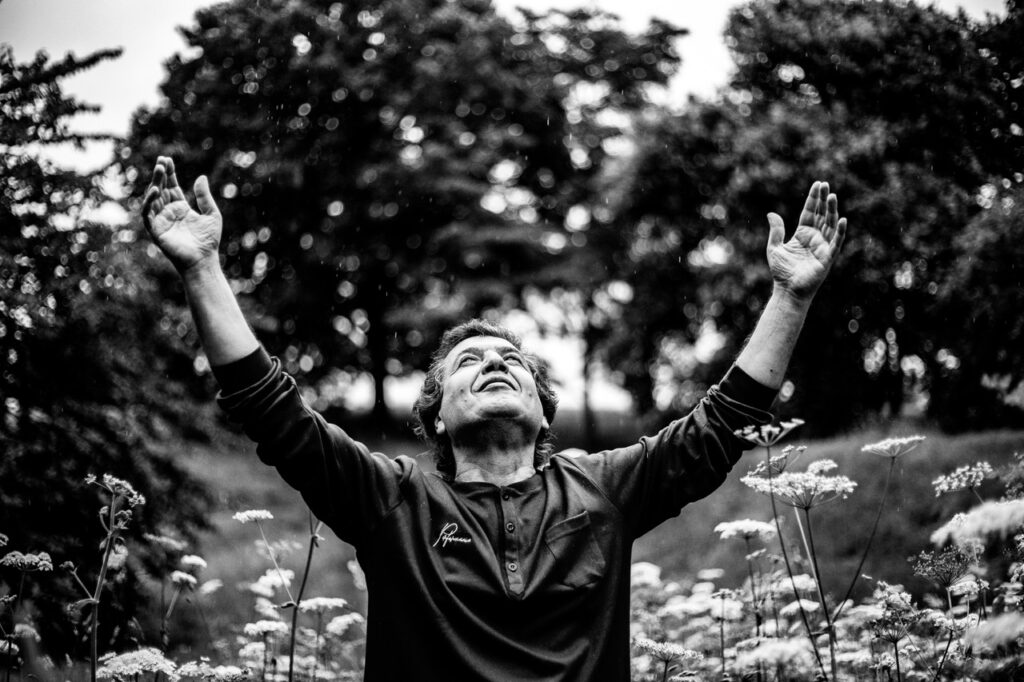
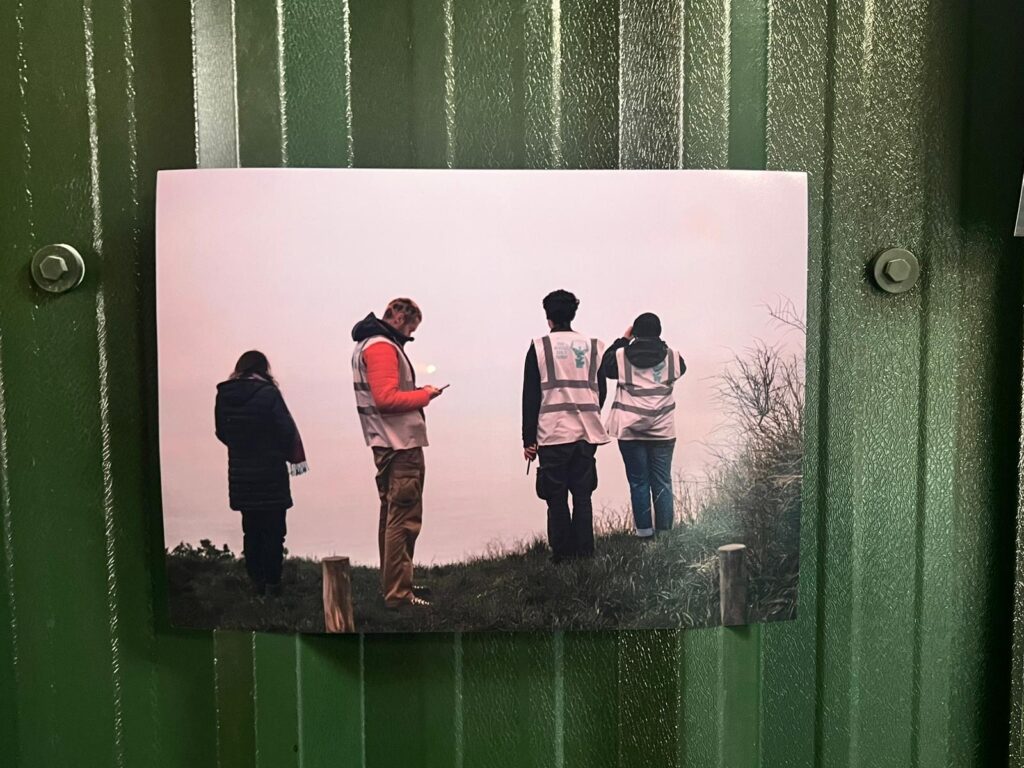
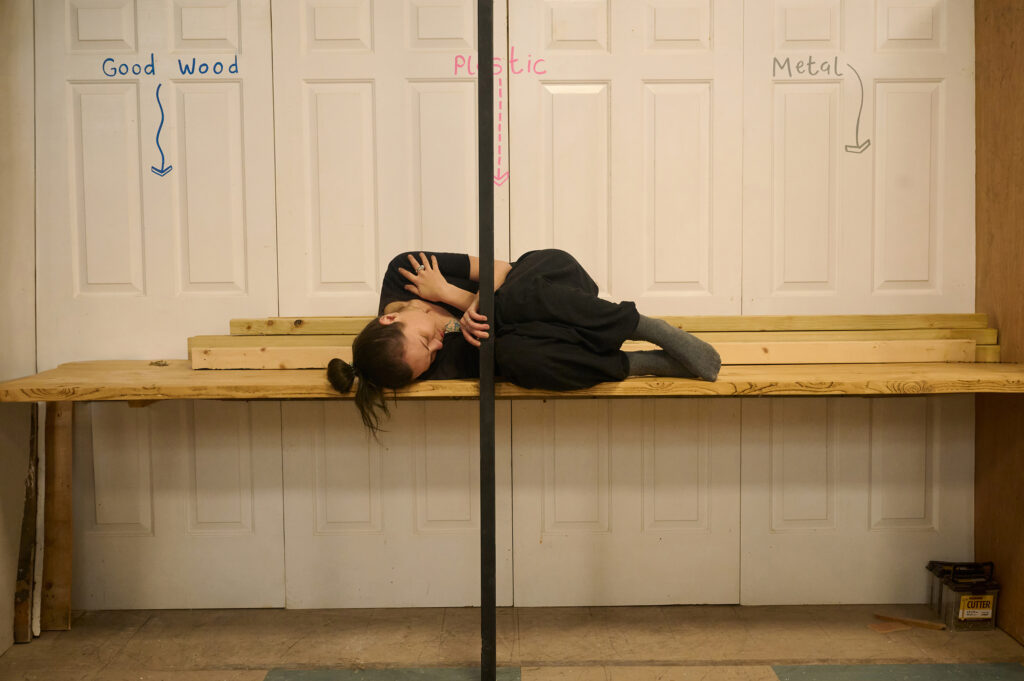
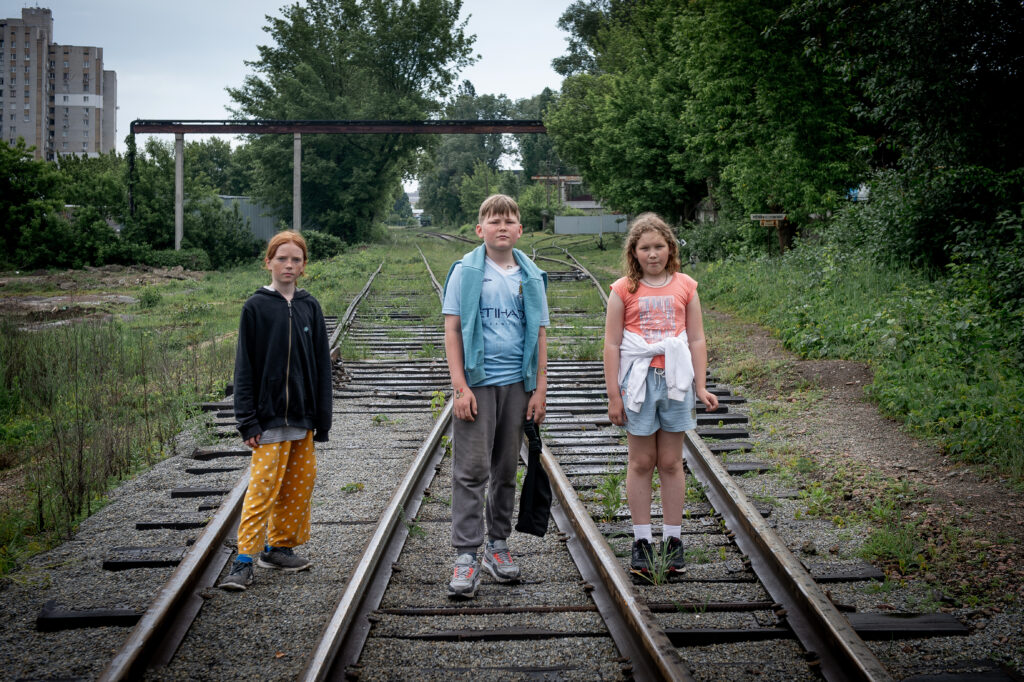
The Photojournalism Hub Calendar 2026 showcasing the incredible work of photojournalists and documentary photographers who have contributed to our mission.
Photojournalism Hub Jamie Clark is in conversation with social documentary photographer David Hadland.
David Hadland is a British social documentary photographer originally from Luton and currently based in London. His work focuses on the lives and experiences of diverse communities, using portraiture to convey nuanced, human-centred stories. From British subcultures to the fishing community in Brixham, his photography explores themes of identity, culture, politics, and belonging.
David’s projects have included documenting the cultural significance of the keffiyeh during pro-Palestine protests in London, as well as an ongoing body of work about the war in Ukraine. A key aspect of his practice is the commitment to building trust with his subjects, which allows him to create images that are intimate, honest, and sensitive to the complexities of lived experiences. Through this approach, David aims to provide deeper insights into the social forces that shape contemporary life.
BECOME A PJH MEMBER Consider becoming a member of the Photojournalism Hub. Your support will enable us to continue our work promoting photographic work that expose, raise awareness of social justice issues. To learn more how to become a member and the benefits of joining, follow the link HERE
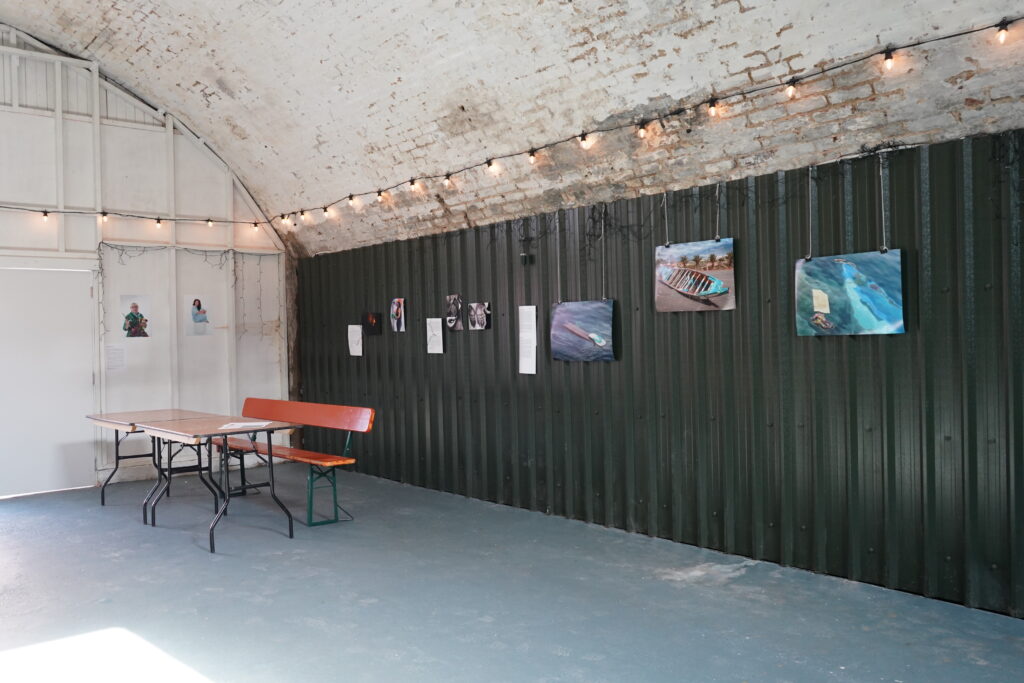
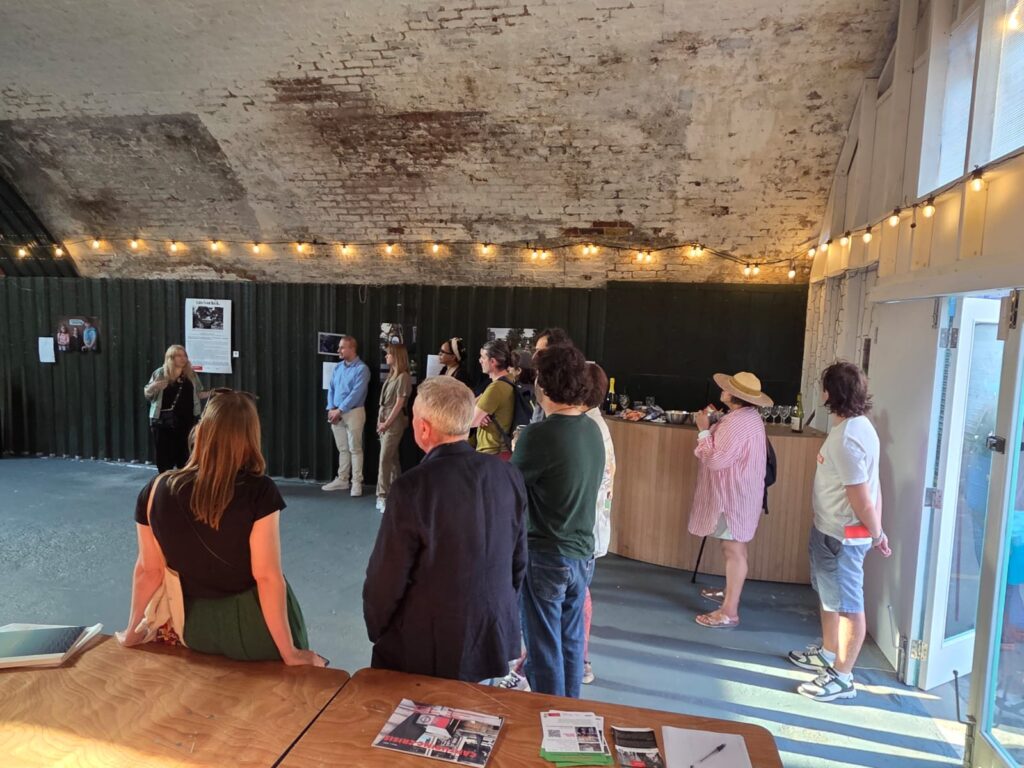
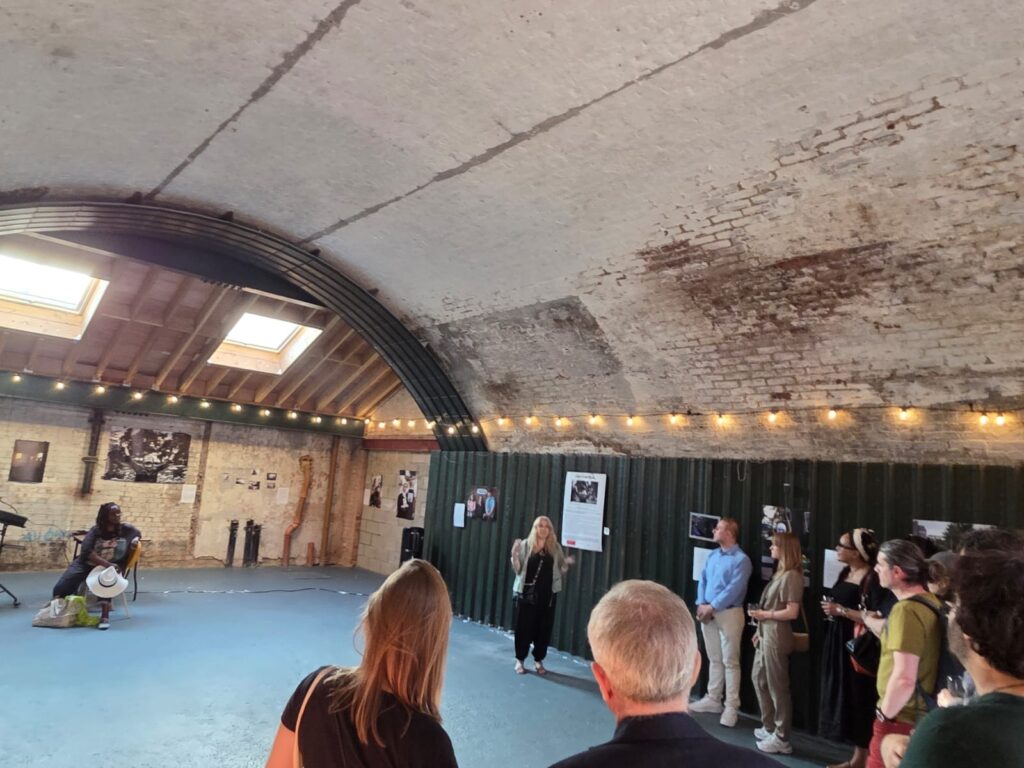
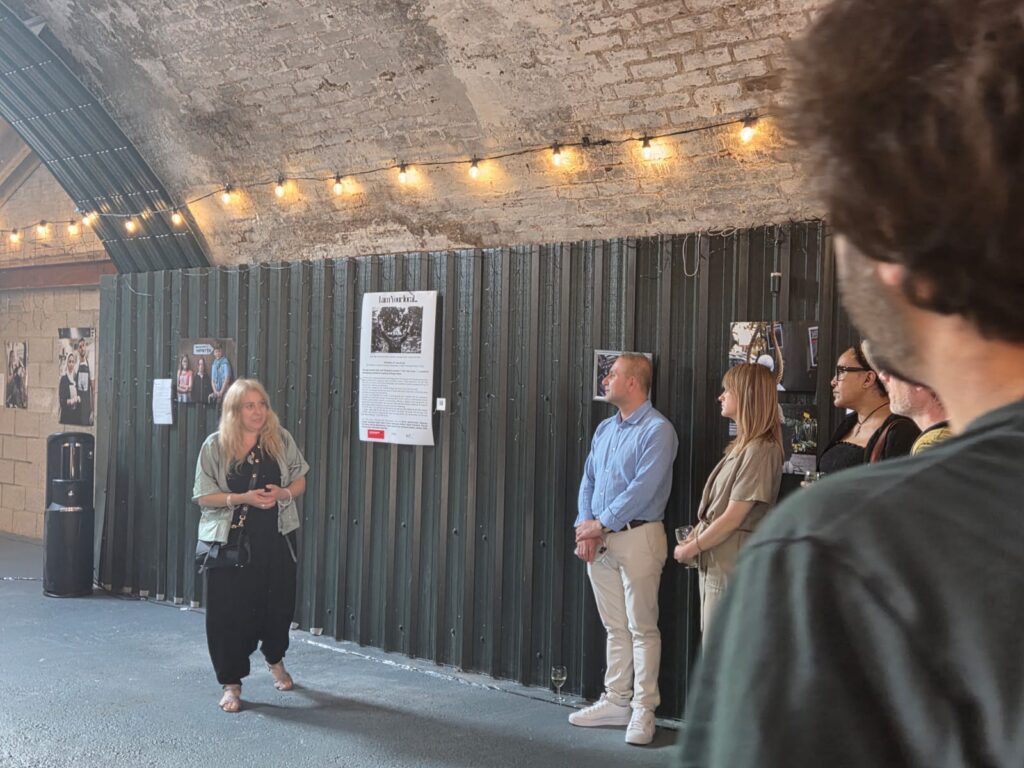
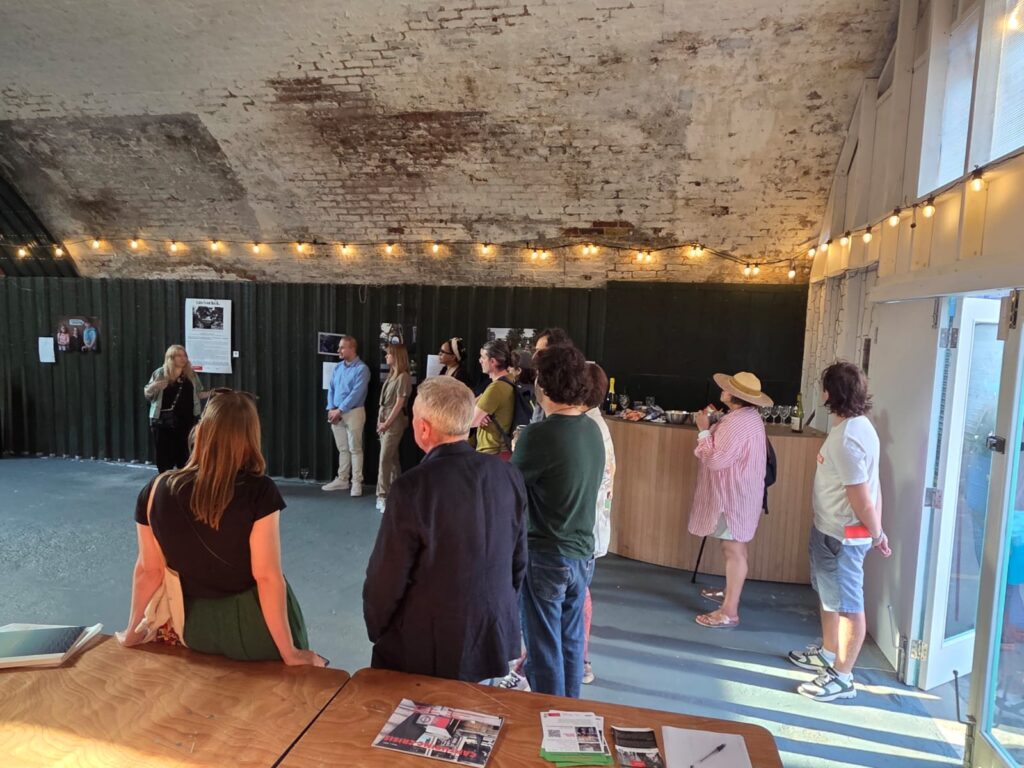
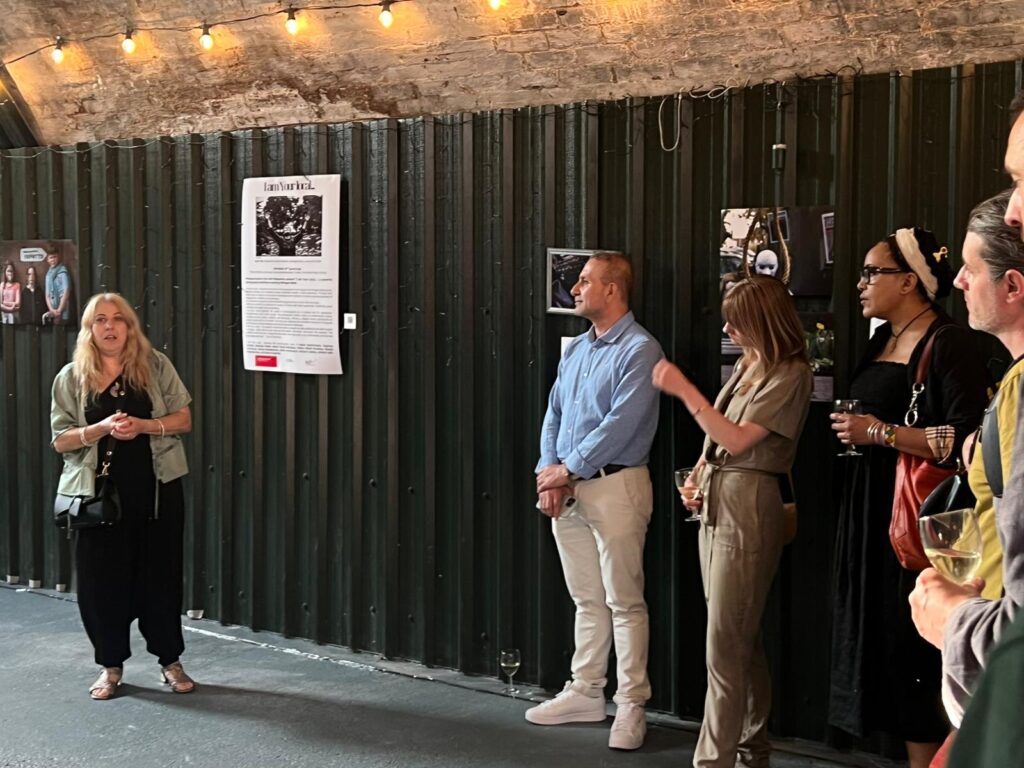
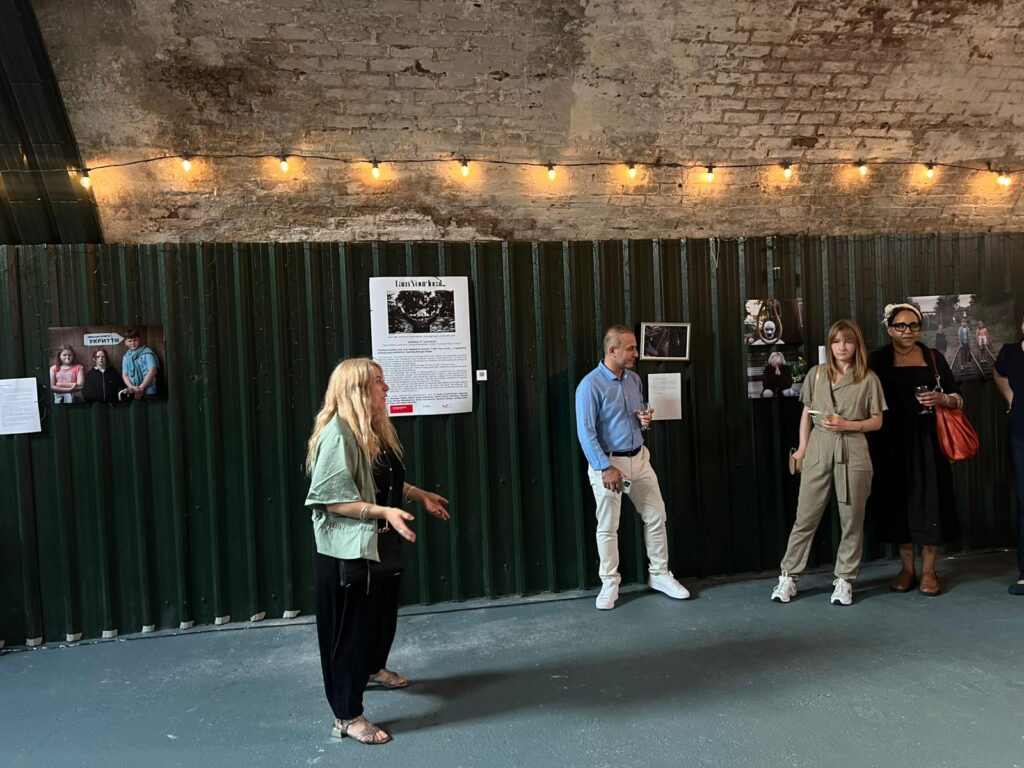
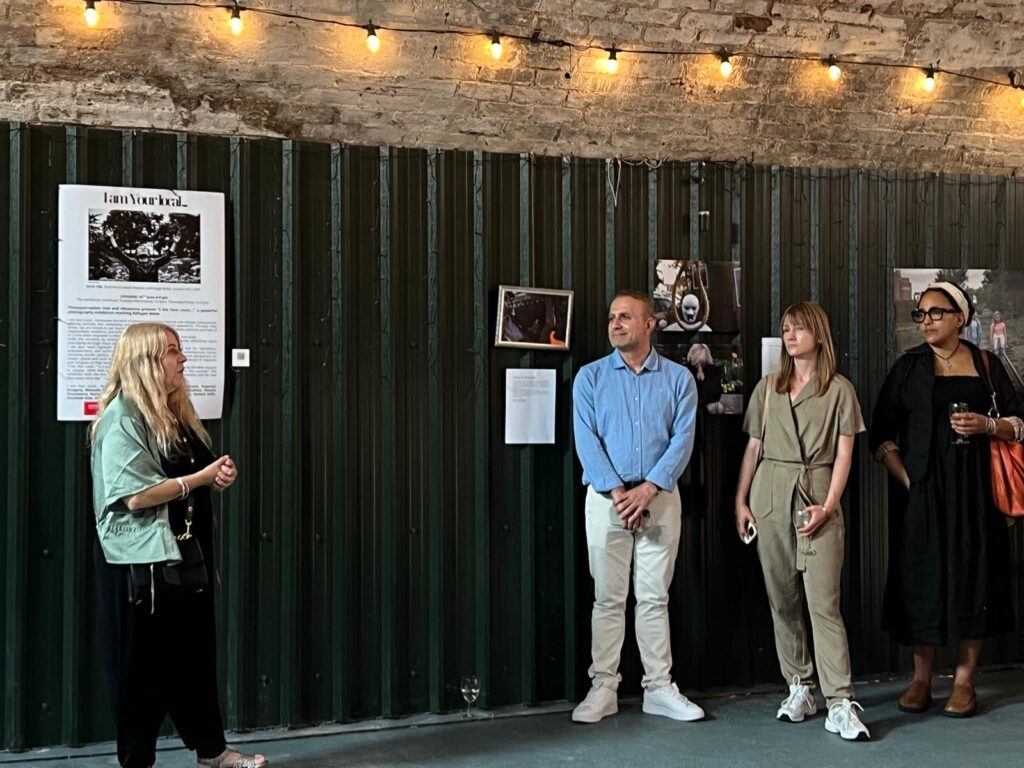
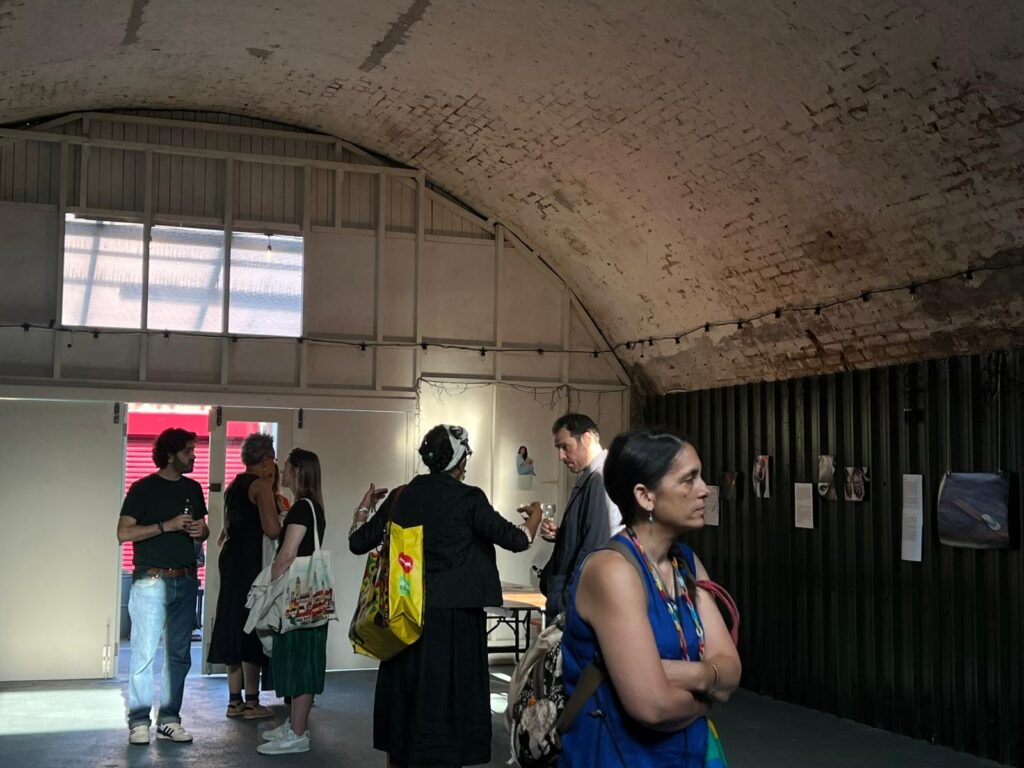
We were delighted to collaborate with Hikayetna on I Am Your Local…, a photography exhibition at Shepherd’s Bush Market marking Refugee Week 2025.
Curated by our founder and director Cinzia D’Ambrosi, the exhibition brought together the work of twelve photographers from migrant and refugee backgrounds, including those who fled the wars in Ukraine and Syria. Through photography, video, and installation, the exhibition reflected on how our community is shaped and supported by those who are often overlooked—shopkeepers, teachers, drivers, entrepreneurs, doctors, nurses, and many more.
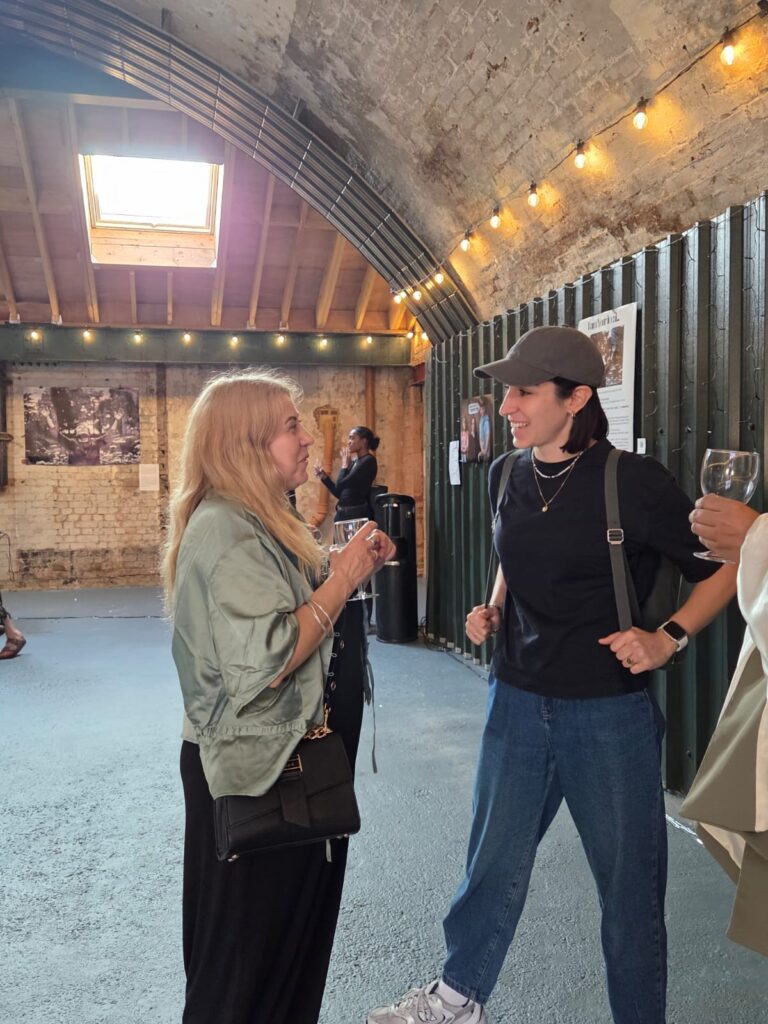
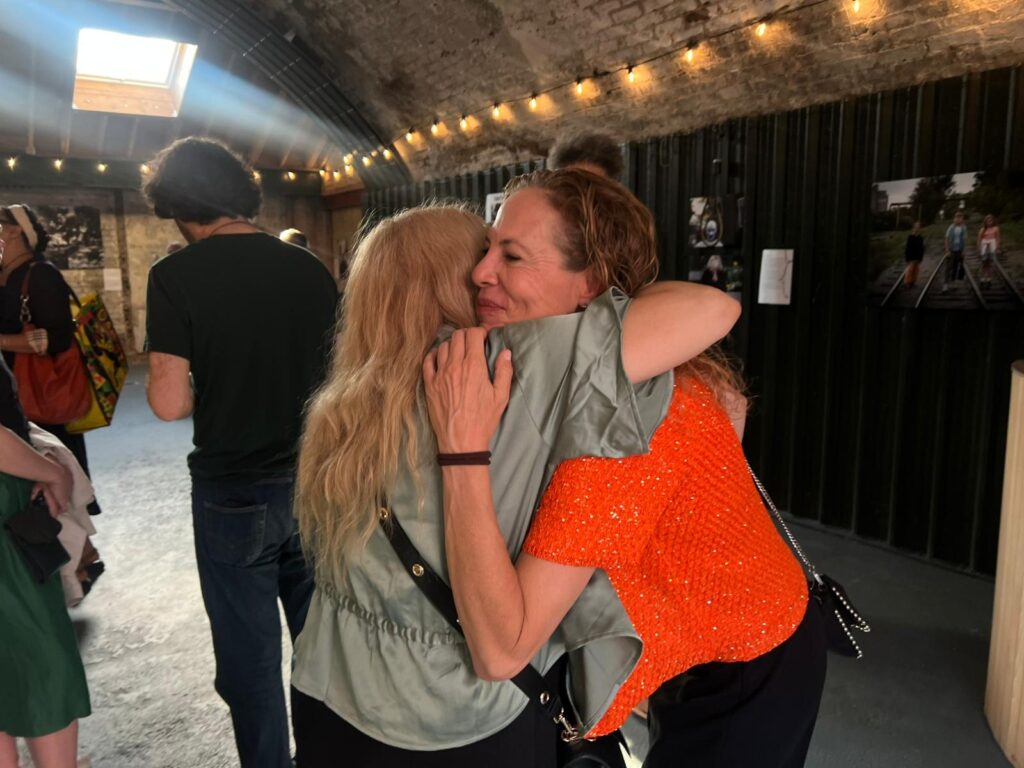
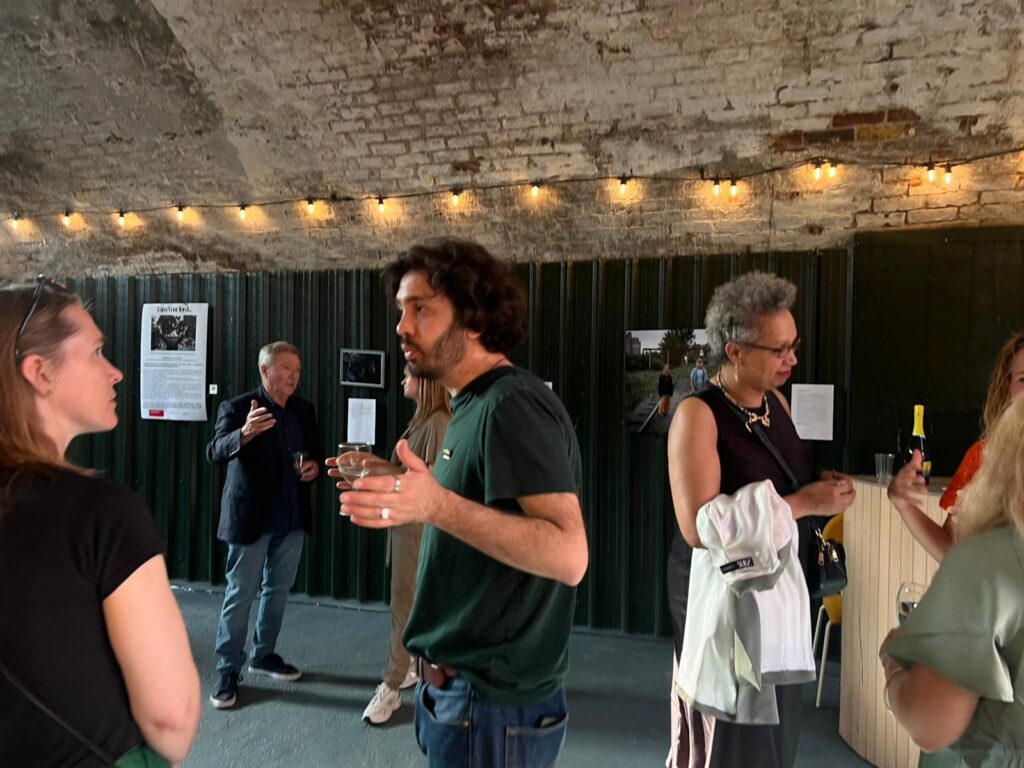
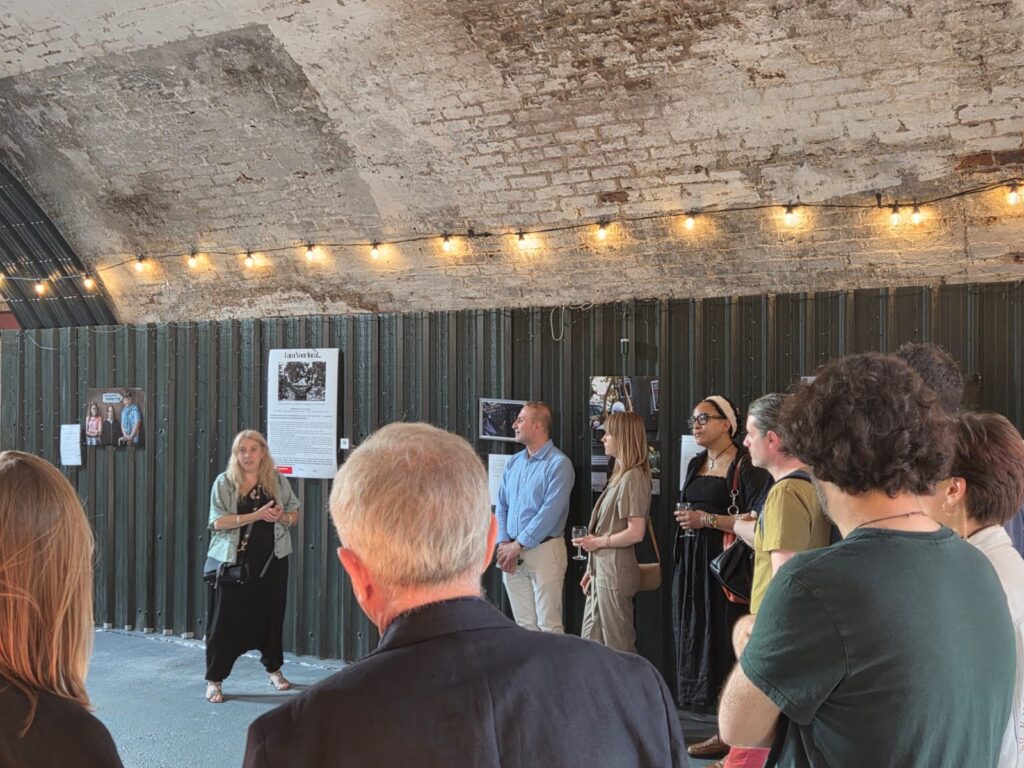
The opening event was filled with inspiring conversations and connections, celebrating the strength, diversity, and creativity that migrants and refugees bring to our shared community.
Photojournalism Hub is delighted to present guest photographers Evgeniya Strygina and Tori Ferenc for the IN FOCUS event on the 23rd June, 7:15 pm, hosted at Riverside Studios.
Both photographers explore themes of place, identity, and belonging from distinct yet complementary perspectives. Strygina’s minimalist landscapes, often void of people, reflect on space, architecture, and the quiet tension between presence and absence. Ferenc focuses on portraiture and documentary work, capturing the nuances of family, community, and our connection to nature. Together, their work forms a thoughtful dialogue on what it means to inhabit a space, physically, emotionally, and collectively.
Evgeniya Strygina (b. 1989) is a lens-based visual artist exploring urbanisation, contemporary landscape, and immigration. She honed her skills at the Fine Art Photography School, Moscow Museum of Modern Art, and PhMuseum. Since relocating to the UK in 2022, her work has been exhibited at Photo|Frome Festival, London Lighthouse Gallery, Cicek Gallery, and LoosenArt Gallery, with publications in Fisheye Magazine, Truth in Photography, Al-Tiba9 Art Magazine, and Artdoc Photography Magazine. Notable awards include the Top 150 MIRA Mobile Prize, MonoVisions Awards, and Photometria Awards judged by Martin Parr. In 2023, she held a solo exhibition after an art residency in Czechia. Her first photobook, Home from Home, is scheduled for release in 2025 with the publisher Ephemere. As a contemporary photographer with an interest in shooting both urban and natural landscapes, I make a point of keeping my images almost or totally uninhabited as I consider people to be but one part of the world as opposed to being its centre. Even in my pictures of architecture, obviously built by people for other people to use, I am fascinated by the space and its details rather than its occupants. Juxtapositions, interactions and contradictions, rhythms and rhymes – be they intended or otherwise – is what I never stop looking for in nature and cities. In an attempt to make the viewer see aspects of the landscape that routinely go unnoticed, I offer a different perspective on things and deliberately strip down the style of my photographs. Minimalistic and geometric, my pictures are both an experiment in deconstructing reality and a quest for quiet harmony in our noisy existence. Besides exploring the nature of space in my work, I am also keen on studying the notion of home, which could be both a place and a non-place, and portraying a longing for an environment you can call your own. This is probably because, being born in a small town and currently living hundreds of miles away from it, I cannot but wonder where I actually belong.
Tori Ferenc is a portrait and documentary photographer, born in Poland in 1989. In her work, Tori is focusing on the themes of identity, community, family dynamics, and exploring the relationship between humans and nature. Over the years, her projects have been shown at renowned exhibitions such as the Taylor Wessing Photographic Portrait Prize in 2021, the Hamburg Portfolio Review and Prix Virginia in 2022, and Rencontres d’Arles in 2023. She is a member of Women Photograph and Equal Lens. IN FOCUS is presented by the Photojournalism Hub in collaboration of Riverside Studios, bringing to the public compelling and thought-provoking contemporary documentary photography and photojournalism,
June 14 marks eight years from the Grenfell Tower fire. The grief remains deep. Grenfell tower stands as a painful reminder of a preventable tragedy that claimed 72 lives on the night of June 14, 2017.
These photographs of the community coming together to grief the loss of lives, are not just a documentation of a moment in history, they are a call to remember, to reflect, and to remind us that the fight for justice continues. Above all, to uphold the principle of equality for all.
The pain felt by the Grenfell community is not just personal. It is the pain of institutional failure, of systemic inequality, of lives devalued. Inequality cost lives. This was not simply a tragedy. It was, and continues to be, a profound human rights failure.
We are delighted to present Bruno Saguer as our featured photographer this month. His photographic stories shed light on some of the most harrowing labour conditions, conveyed with a poetic vision and powerful sensitivity that both compel and move us deeply.
This work is neither a protest nor a technical chronicle, but an aesthetic immersion into the decaying beauty of corrosion, into the imprint that time and human toil leave on every stranded hull. Photography as an addiction to decomposition, to the texture of the ephemeral.
From its nest, the seagull takes off over the sea. From the shipyard, the vessel sets sail. Everything tastes of salt. The salt of life, the salt of death.
To launch, to hoist, to depart, to sail, to weather the storm, to board, to dock… A ship always carries the emotional weight of a journey toward the horizon, rocked by waves. Whether carrying people, treasure, or trade, every ship bears the significance of its voyage. Iodine drifts in the air, sea spray weaves into tangled hair flowing in the wind. A maritime symphony whispers all around. But many ships don’t reach a dignified end. After 20 or 30 years riding the waves, they’re cast aside, pushed to die like abandoned animals, left to scavengers.
Bound for slaughter.
Some places in the world have become their graveyards. And the locals—made their executioners. But this isn’t Père Lachaise in Paris. No Balzac, Camus, Chopin, Oscar Wilde, or Jim Morrison lie here. Instead, ships bear flags of convenience—fiscal loopholes, legal evasions, flags with no country.
There is no grey bin for maritime waste. No final place where all things belong. They simply end. Nowhere.
Eid Mubarak. August 2012. Chittagong, Bangladesh.
A northern “still life” made of open-air scrap. These shores should be erased from nautical charts, kept beyond the reach of any compass or bearing.
The poetry of the sea ends here. The carnage begins. No blood is spilled—only oil, diesel, and thick, contaminating fluids.
Dignity slips through the scuppers. Humiliation pools in the bilges at the end of this tragic journey.
Paints, heavy metals, asbestos— A corrosive cocktail you won’t find on a Mediterranean cruise. There will be no dinner at the captain’s table tonight.
No necks are cut, but every part of the ship is dismantled—hull to deck, cabins to engine room, even the prized bridge, where only hours before the horizon was scanned from a privileged perch.
The swords and guillotines of old revolutions are now acetylene torches and cutting saws.
A metallic roar. No siren songs here—just horns of iron pain.
Tons of steel are fed into the maw of shredders. As far as the eye can see, rusted carcasses marooned at low tide. No longer sand, but rare metals of another periodic table. Human termites gnaw at metal, wood, plastic, rope.
Dusk falls on the “unshipyard” of cruise liners, cargo ships, and freighters. Floodlights flicker on. Stripped of rest, the pillaging continues—plates, bolts, no loose ends. In three to six months, the vessel is no more.
A ship scrapped in three or four months in Bangladesh nets a million dollars in return—on a five-million-dollar investment.
And yet, this apocalyptic landscape seduces. It releases photographic endorphins. The eye, the camera’s viewfinder—both tint crimson under a leaden sky.
Steel skeletons run aground in rhythm with the tides. Swarms rush port and starboard, scrambling for the best loot—not astrolabes or sextants, but lifeboats, portholes, wires, propellers, spark plugs, pistons, lamps, sensors, sonar, radar, GPS. All of it cloaked in raw rust.
Rust merchants. Steel auctions. Everything is for sale. Even souls. Recycling without activism—just a euphemism. Melted down, but not damned.
Some pieces will sail again—aboard new vessels, or hanging in chic homes and restaurants. Better that than being left to rot on a deserted beach after a failed escape from a cyclone.
Such is the cycle of the sea. Knots and nautical miles become cubic meters of waste and steel.
Personal stories cling to these corroded remains. Like that of Hossain Khatun. A Bengali man, generations deep, rooted in toxic mud. His descendants likely will be too. There’s no way out, unless you swim—to nowhere.
His nephew Kamal, 14, walks him to the shoreline each day as the fishermen return. If the tide’s low, they can get closer. Hossain is 64 and blind. Kamal guides his arm so he can stretch his hand toward the fishermen and beg.
Kamal has spent nearly all his life working in the yards. The toxicity took his vision. Hossain is on the same path—unless he’s hurt first (they use the blind to crawl into dangerous crevices of the ships), or unless he tries to swim away…
To earn a plate of rice or dhal, they cut through plates of steel. They travel from Panchariya to Faujdarhat—almost 20 km of sandy graveyard. No insurance. No safety gear.
Roughly 200,000 souls live trapped like fish in a stagnant pond. Over 80 yards compete for the dying.
But the rust—captivates.
Nearly one in five of the world’s aging ships end up here.
Many NGOs have reported the working and environmental conditions.
That ship lamp from the Singaporean vessel “Green Earth” will look lovely somewhere. It’s docked in port now, set to sail for Malaysia tomorrow. But it’ll be back. I won’t.
How strange that so much decay can be so visually fascinating. Corrosion addiction could be the title of this landscape.
Thankfully, my memories are rusting. Only images remain. Another contradiction.
Anchored in rust, one becomes a witness to one of the most extreme forms of circular economy—a cycle both toxic and hauntingly poetic.
Bruno Saguer
“The greatest photos are those no camera can capture, yet only a photographer can see. My quest is never to miss one again.”
Born in Barcelona in 1972, half French and half Spanish, my earliest memories of photography are rooted in the dim red glow of my father’s darkroom at home. A passionate Nikon enthusiast, he introduced me to the magic of framing life in black and white. Though he passed away when I was 18, his legacy deeply shaped how I perceive the world through a lens. My journey as an amateur photographer truly began with my Nikon D700 and a humble Tamron 17-50 lens, ignited by a simple desire to feed my curiosity. My first solo photo trip was to India, a welcoming place where capturing slices of everyday life and close portraits came naturally. Inspired by a mesmerizing documentary about the shipbreaking yards in Bangladesh, I organized a photographic expedition with friends, driven not by activism but by a fascination with the stark beauty of rusted giants awaiting dismantlement. From bustling Dhaka to the surreal graveyard of ships extending for kilometres, the contrast between human vitality and industrial decay was captivating. Beyond the dismantling itself, it was the vibrant recycling economy—shops filled with salvaged lamps and life jackets—that left a lasting impression. One such lamp now hangs in my home, a constant reminder to seek out the next photographic journey. Balancing the roles of father and founder of an advertising and branding agency, my greatest challenge remains finding time to pursue these personal photographic projects, each an exploration waiting patiently for its moment. My job has also exposed me to brilliant work, and both creativity and art direction continually spark my curiosity. Among the photographers I admire most right now is Edward Burtynsky. Of course, I follow many others, specially Martin Parr, and depending on the mood—documentary, street, colour, black & white, or portrait—but I find Edward’s perspective uniquely compelling. Website | Instagram | Email
We are delighted to announce the next IN FOCUS event at Riverside Studios, featuring guest photographers Denise Felkin and Sabes Sugunasabesan, whose powerful work explores identity, memory, and marginalised lives. Felkin’s In Site documents a hidden Traveller community in East London, revealing an alternative way of living beneath the arches of the city. Sugunasabesan reflects on the legacy of war in Sri Lanka through a diasporic lens, with Kunkumam tracing memory, loss, and land. Together, their work challenges dominant narratives and brings overlooked voices to the fore.
IN FOCUS will be hosted by documentary photographer/ journalist and Photojournalism Hub’s founder and director Cinzia D’Ambrosi alongside photojournalist Sabrina Merolla. The event includes photography presentations, Q&A sessions, and time to socialise and connect.
Denise Felkin is a UK-based editorial and fine art documentary photographer whose work challenges social taboos to promote values of sustainability, inclusivity, and compassion. She aims to amplify marginalised voices and explore themes of identity and social justice. Her photography has been featured in national press, included in numerous awards, and exhibited nationally and internationally. In Site (1997–2024) reveals an underground lifestyle rooted in Traveller communities. Under three railway arches and beyond a padlocked gate in East London, an alternative lifestyle was documented. Respect, freedom, truth, and beauty are conveyed through an unpretentious perception of the experience and expression of an urban subculture. Felkin details an enriched cultural existence within a clan that had found a safe place to sustain their creative lives. The community was innovative and packed with independent souls. Embedded are elements of citizenship and domesticity, offering a strong societal message in contrast to industrialisation and capitalism. In Site was shortlisted for the British Photography Awards, exhibited in the Polarity exhibition at Photojournalism Hub, as well as selected in the Inequality open call at Photo Frome. Her next exhibition will be at Lambeth Courthouse, 7–8 June 2025. IG @denisefelkinphotographer www.denisefelkin.com
Sabes Sugunasabesan is a photographic artist living in England. He migrated from Sri Lanka over four decades ago. At the end of the thirty-year long war in May 2009, in Sri Lanka there were 90.000 widows in the north and east of the country. With the deaths on the army side the numbers would be much higher. During the repression of suspected People’s Liberation Front members (JVP) between 1988-90, 60,000 mothers lost their children in the south of the country. Sabes works on the theme of war, memory and land from a diasporic point of view. It is a view from distance of time and space. Kunkumam builds on his previous work shown under the title of the Last Walk to the Beach (2018). To prepare for Kunkumam he travelled to Sri Lanka during the August-September 2024 and enacted a performance at Mullivaikkal. IG @sabessuguna
BECOME A PJH MEMBER Consider becoming a member of the Photojournalism Hub. Your support will enable us to continue our work promoting photographic work that expose, raise awareness of social justice issues. To learn more how to become a member and the benefits of joining, follow the link HERE
Marcia Michael: The Family Album Sat 15 March – Sun 1 June | First Floor Gallery | Tue – Sun, 11am – 5pm | Fr
Experience a powerful reimagining of The Family Album, exploring the beauty and depth of family connections across time while celebrating the body as a site of history and memory. This first major solo exhibition by multidisciplinary artist Marcia Michael is a ‘massive love letter’ to family and celebrates the sense of belonging and joy found through family connections. The Family Album is a deeply personal exploration of kinship that pieces together a rich family history through contemporary photography, sculptures, ceramics, and print design. The works of the British artist of African and Caribbean descent centre around three interconnected series: The Study of Kin, The Family Album, and The Object of my Gaze. These moving collections, archived as a revolutionary act of remembrance, display Michael’s ongoing journey to reconnect with and preserve memory, love and identity. Michael’s intimate portraits of herself and close family members -particularly her mother – explore how the human body can serve as both a physical and emotional vessel for recorded histories. These works echo resilience across generations and highlight the uplifting power of family bonds. For The Family Album, MAC commissioned new pieces from Michael, including a unique necklace featuring miniature bronze sculptures representing the bodies of mother and daughter. Through her diverse artworks Michael aims to foster a sense of familiarity and belonging that are centred within the home. This showcase invites the visitor to reconsider the traditional interpretation of a family album and encourages them to (re)connect with their own family histories from a new perspective. Marcia Michael, the artist of The Family Album, said:
“The Family Album ultimately defines my unconditional love for my family past, present and future. It creates and holds space where images and artefacts lie in wait to be seen touched and remembered. It is always imagination that keeps the past alive! As time passes it becomes important that there is a place where one can access and retrieve the whispers of this past. As well as relocate their visual, tangible and auditory memories into the voices of new kin as they take over.”
About the artist, Marcia Michael Marcia Michael (b. 1973, London, UK) is an award-winning British multidisciplinary artist of Caribbean and African heritage who challenges the representation of the Black subject within the family album by reconstructing her own family archive. With great sensitivity toward her sitters and environments, her work encompasses captivating matrilineal photography, self-portraiture, moving images, sculptures, poetry, sound pieces, and drawings, using both traditional and non-traditional media. Through photography as both a mode of documentation and conversation, Michael renews and reimagines a transdisciplinary tradition of storytelling, seamlessly connecting past, present, and future. Her work guides the viewer on a journey through temporal dimensions, weaving together Black feminism, intergenerational visuality, African diasporic traditions, and the representation of the Black mothering body. Michael’s practice reimagines and restructures history through the empowered, political, and self-loving Black body. She studied photography at the University of Derby (1996) and earned an MA in Photography with distinction from the London College of Communication (2009). In 2024, she was awarded a Ph.D. from the University of the Arts London. Her body of work has been shown internationally. The Object of My Gaze, exhibited at Autograph ABP, London (2018), and Tate Britain (2022), builds on her earlier series The Study of Kin and The Family Album (2009). For more information, please visit: marciamicheal.co.uk.
Where Memory Meets Curatorship: Photojournalism Hub x Dominique Nok
Interview with Dominique Nok, 1873 Studios By Cinzia D’Ambrosi, documentary photographer and founder/director of the Photojournalism Hub.
What initially drew you to Marcia Michael’s work, and what made you decide topresent this exhibition? Around four years ago, I heard Marcia speak at a photography symposium in London. She showed images while reciting one of her poems and playing a sound piece of her mum laughing. Her intimate, unfiltered, and pure body of work—and the way she described her relationship with her late, beloved mother—touched me. After the event, I went up to her and we spoke briefly. From that moment, I knew I needed to learn more about Marcia and her work—and that the world around me should too. So, when the opportunity came at Midlands Arts Centre (MAC)—a place where I knew people who look like Marcia, our family members, and myself are warmly welcomed—I did not hesitate to put her forward. Knowing that Birmingham is home to many people from Africa and of African descent, I knew her work would speak to them, and that it would acknowledge what and who needs to be acknowledged.
What does this exhibition reveal about the ways diasporic communities preservememory and identity across generations? The answer to this question could easily become a whole essay—there is so much to say about preserving memory and diasporic identity across generations. I am, therefore, going to try to give an answer in the best possible way. We know that people from the African diaspora take pride in things like food, dress, music, and our ability to withstand hardship. These elements have hugely contributed to our identity and are ingrained in our memory. Amongst ourselves, we celebrate this—think of birthday parties at a family member’s house, and weddings. What we are often less aware of are the many stories we carry within us and unconsciously pass on to others. This is something Marcia spoke about again and again—and something she tenderly and beautifully portrays through her work. “The body is more than just a host; it carries countless stories.” Yes, Marcia presents several ways to preserve memory through archives, and photography by documenting her close family members, showing their facial features, their hair, and body parts like fingernails and feet. But it goes so much further and so much deeper. Identity is found in connection and here, she gently and cleverly shifts the narrative—from being othered to belonging, from hatred to love.
“The body is more than just a host; it carries countless stories.”
With a frightening and atrocious past—one that we, as people from the African diaspora, are still unpacking and healing from—there is still so much more to uncover. I am talking about a beautiful history that was concealed, forbidden to speak about or act upon, and has not been accessible through disclosed records of the past. In this exhibition, Marcia offers another way to enter this hidden family history: by engaging with stories that have been shared with her, using different mediums to tell those stories, and allowing her imagination to reveal and communicate what known and written history alone cannot. These found truths can hereafter develop into connection with the people around us, those who came before us and create pathways to develop an identity of belonging for future generations.
Can you share a bit about the curatorial process, were there particular challenges orbreakthroughs in how to present such personal, intimate work in a public space? Marcia’s practice is deeply layered. Nothing about it is linear—everything can be viewed from multiple angles. Each piece she creates is made with the utmost care and carries profound meaning. Capturing the essence of what she was trying to communicate was, I believe, my biggest challenge. It took time to truly grasp the depth of her work, but once I did, I was able to present it in a way that a wider audience could connect with and understand. While safeguarding personal elements and allowing Marcia to express what she felt comfortable to share, I sought to preserve the intimacy and care she has within her practice. Producing an experience for visitors—one that would allow them to encounter Marcia’s work in an impactful way, resonating with their own family histories was my focus. Because of the strong bond that runs through the lineage of Marcia’s mother, I wanted to create a kind of womb—an inner space. A space that feels homely and holds stories. A space that is accessible, where people can walk through—into other dimensions of the work—connecting the three bodies of work: The Family Album, The Object of My Gaze, and The Study of Kin. When I presented my vision, MAC’s Artistic Director and CEO, Deborah Kermode, said, “Dominique, we’ve never done something like this—but it’s not impossible you know.” Her trust meant the world to me. MAC has been phenomenal in facilitating this exhibition—they truly are an amazing arts institution. The structure of the inner space and the layout I envisioned on paper took far more effort to bring to life. At times the fantastic technicians at MAC were pushed to their limits—but they did it!
What legacy do you hope The Family Album leaves for audiences and future artistsalike? I hope that visitors will be touched in a way that, through art and creativity, they begin to uncover what is hidden within them. Whether by observing and allowing the work to spark emotion—something they can then explore further—or by beginning their own journey of discovery through their own creativity. That could be through photography, poetry, dance, collage, or anything really, that helps them to (re)connect with what lies inside and open a dialogue with themselves and/or their loved ones.
To future artists, I want to say: do not limit yourself. You are not a one-trick pony. You can explore multiple mediums, also at the same time, you can wear multiple hats. You hold the power to shift narratives—and to change the world around us! As Marcia would say: “Let’s just play!” You never know what beauty might come from it—unless you try.
About the curator, Dominique Nok Dominique Nok (b. 1977, Paramaribo, Suriname) is a Black female portrait photographer and curator, born in Paramaribo, Suriname, raised in Amsterdam, and based in London. She has over 20 years’ experience as a commercial photographer and holds a bachelor’s degree in (Photo) Journalism and a master’s in curating. Her work has been featured in The Guardian, BBC Midlands, ITV.com, and The Voice of Holland, with exhibitions at Midland Art Centre, Harris Museum, and FUJIFILM House of Photography. Dominique’s curatorial career began with the We Are Here exhibition for UKBFTOG (UK Black Female Photographers). Since then, she has created platforms for predominantly female (and female-identifying) artists, collaborating with individuals and collectives such as Maryam Wahid, Sharon Walters, and the Mixed Rage Collective. Dominique is passionate about advancing equal representation for artists from the African diaspora and those of Global Majority heritage. For more information, please visit: 1873studios.com.
About Midlands Arts Centre (MAC) For over 60 years, Midlands Arts Centre (MAC) has connected people with creativity. MAC is a contemporary arts centre and independent charity, with the mission to make art an important part of people’s lives. Set in the magnificent surroundings of Cannon Hill Park in Birmingham, MAC is the number one visited free attraction in the West Midlands. At the heart of MAC is a focus on sustainability, accessibility, and inclusion. MAC works extensively to support international and local artists, and develop programmes for and with our local community. MAC is a registered charity supported by players of People’s Postcode Lottery through the Postcode Culture Trust and Arts Council England.
Midlands Arts Centre (MAC) Cannon Hill Park, Birmingham, B12 9QH Registered charity no. 528979
Facebook: @Midlands Arts Centre – MAC X (formerly known as Twitter): @mac_birmingham Instagram: @mac_birmingham TikTok: @midlandsartscentre
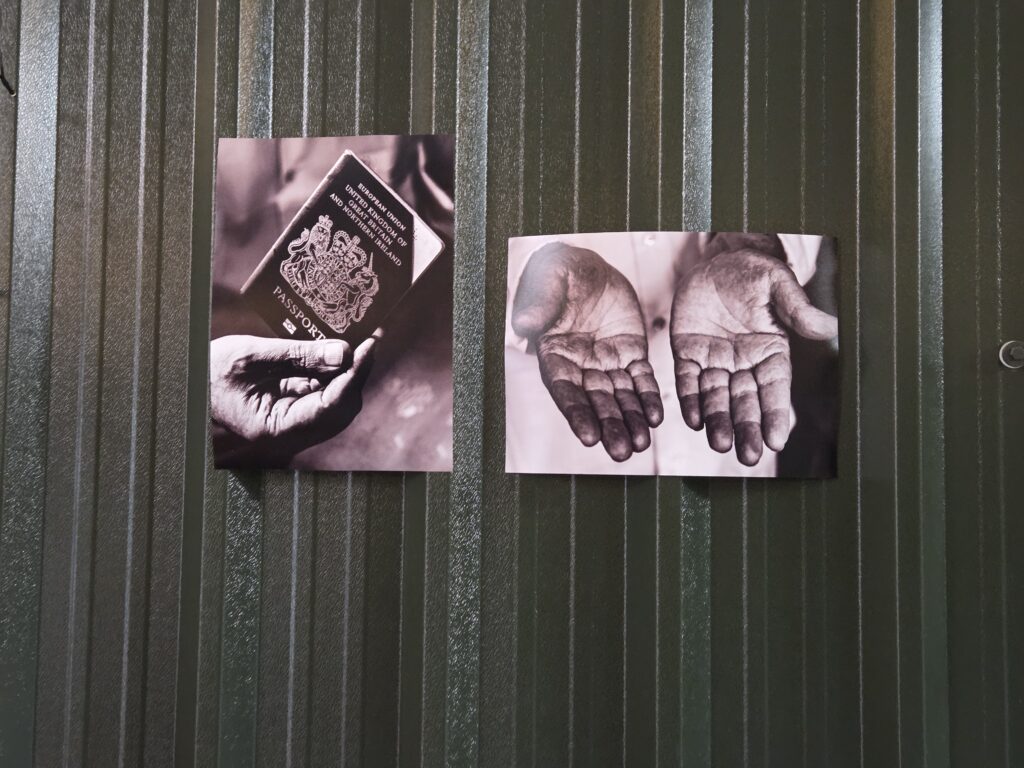
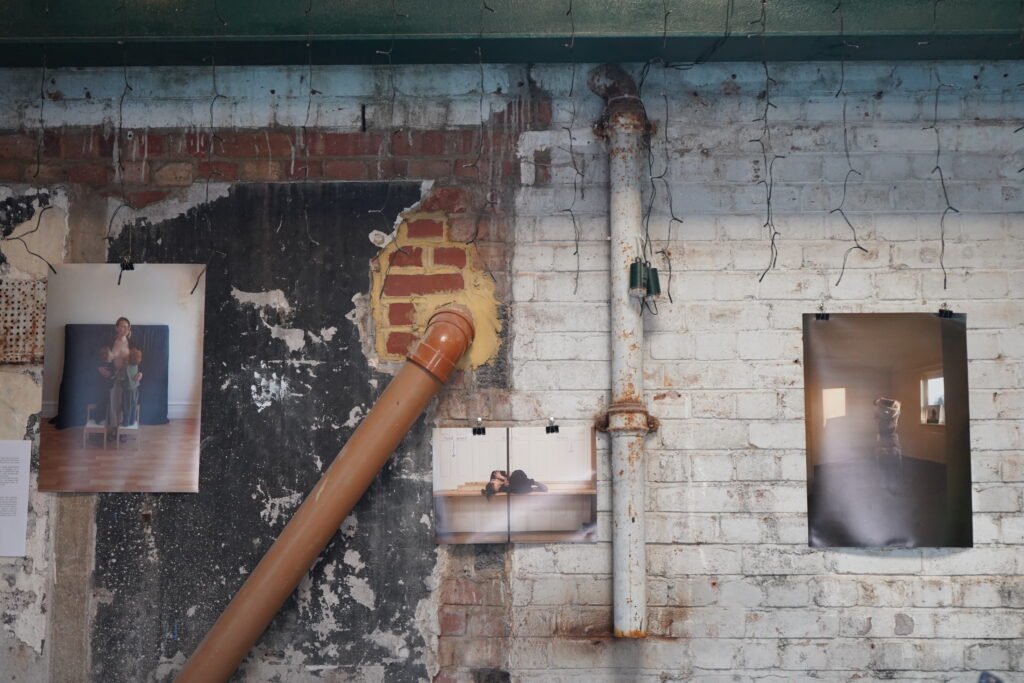
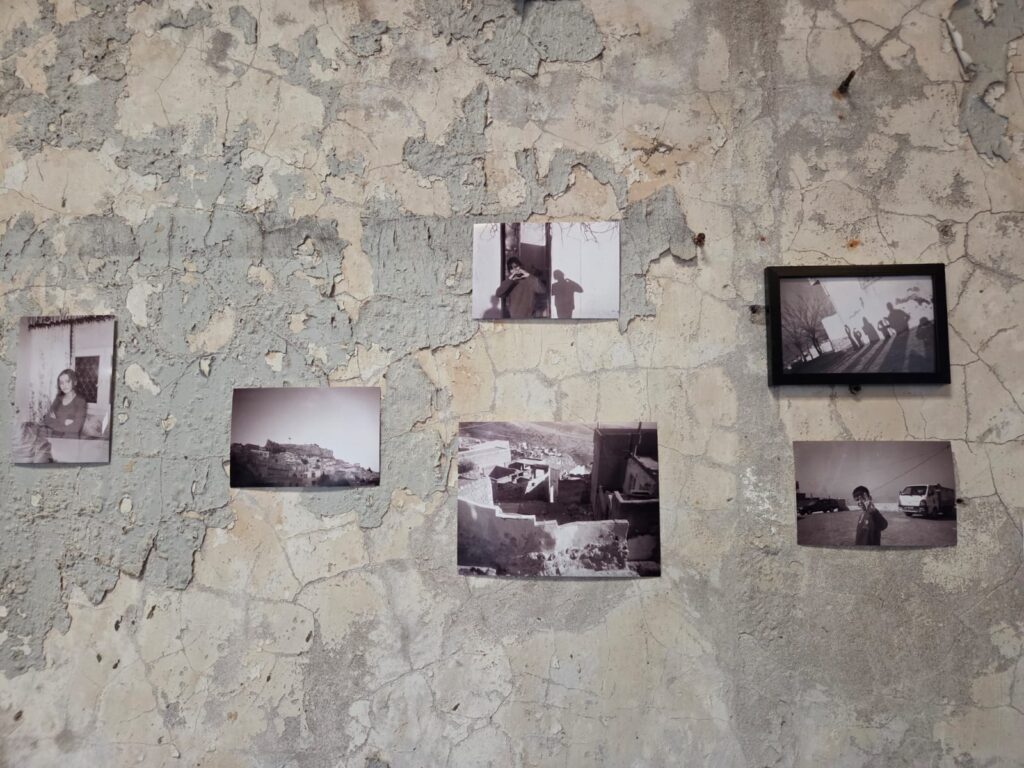
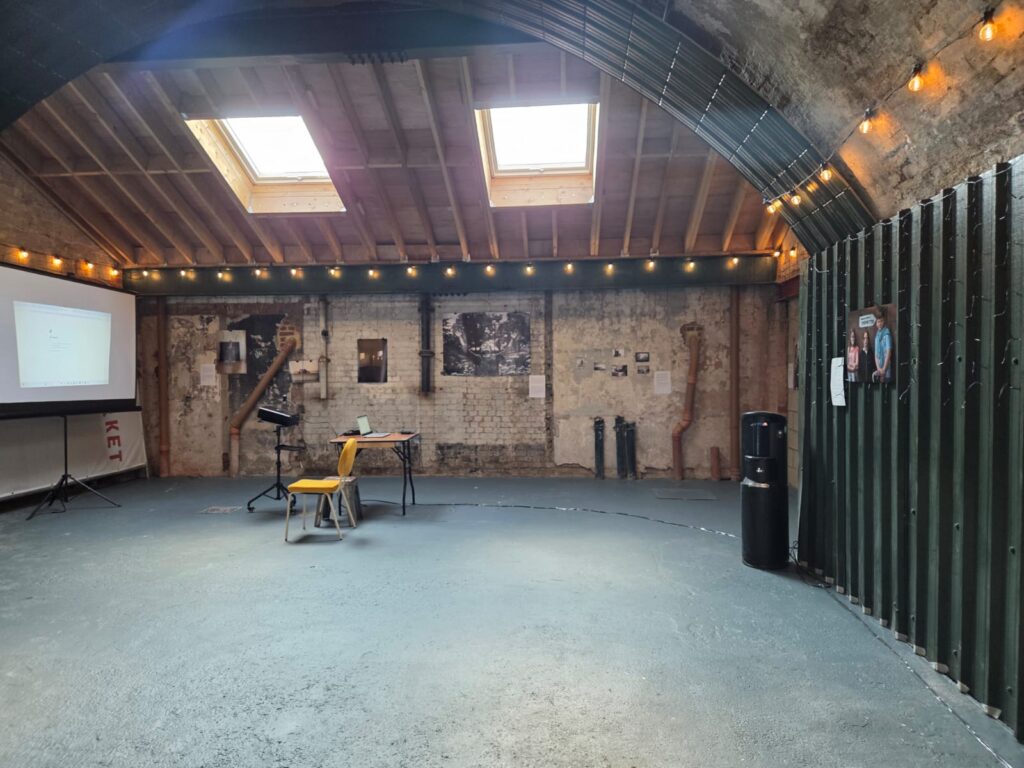
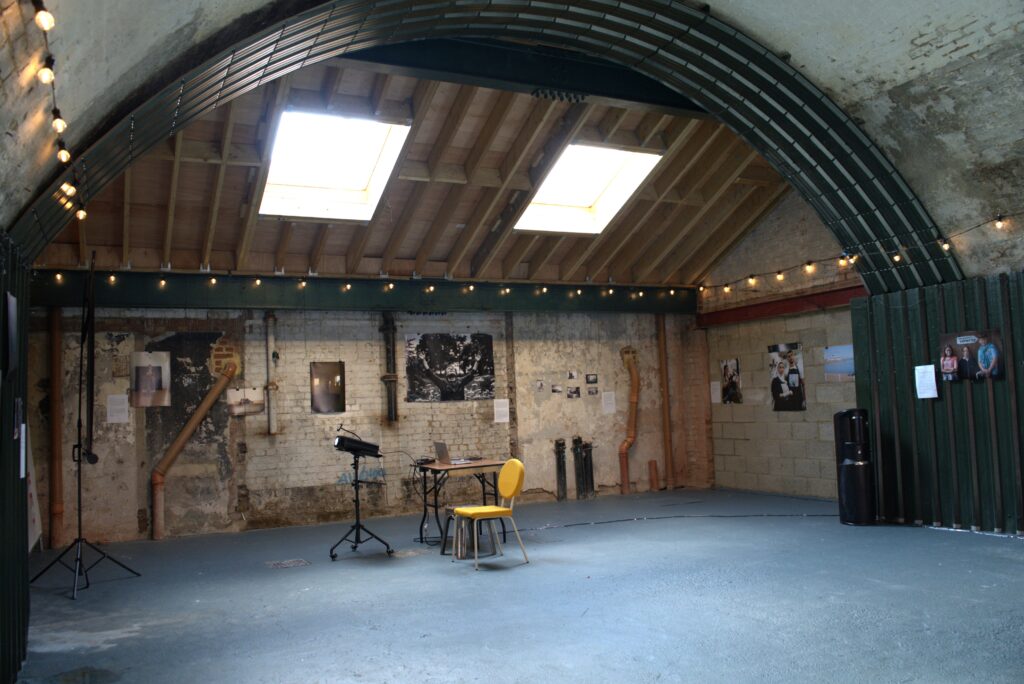
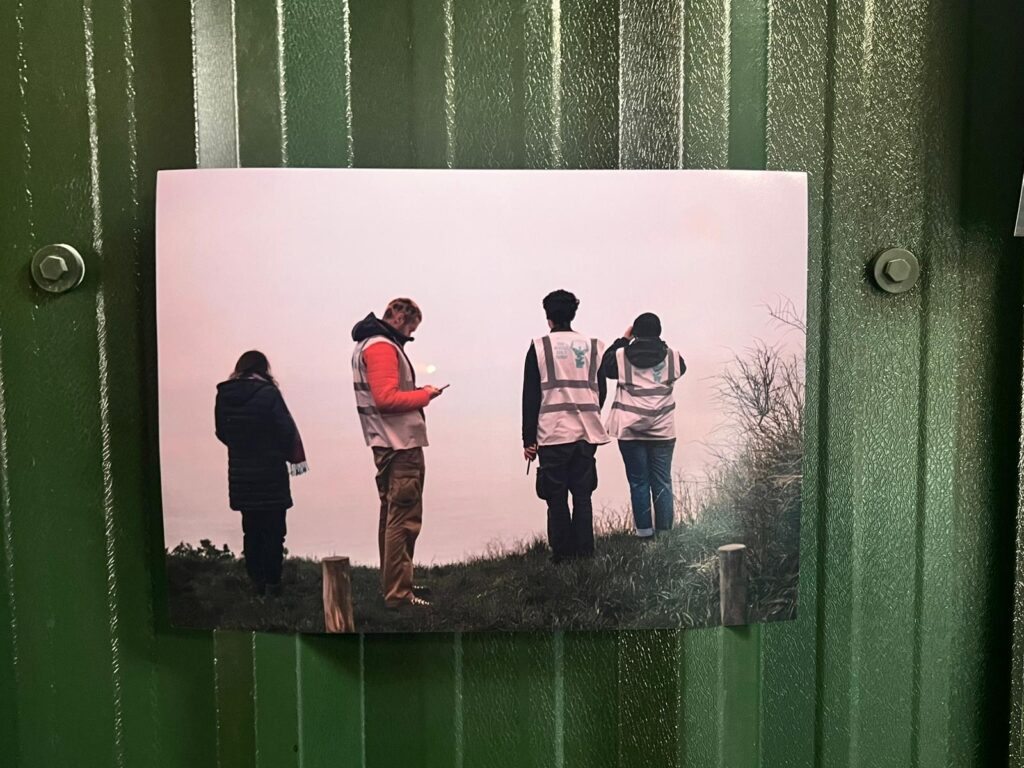
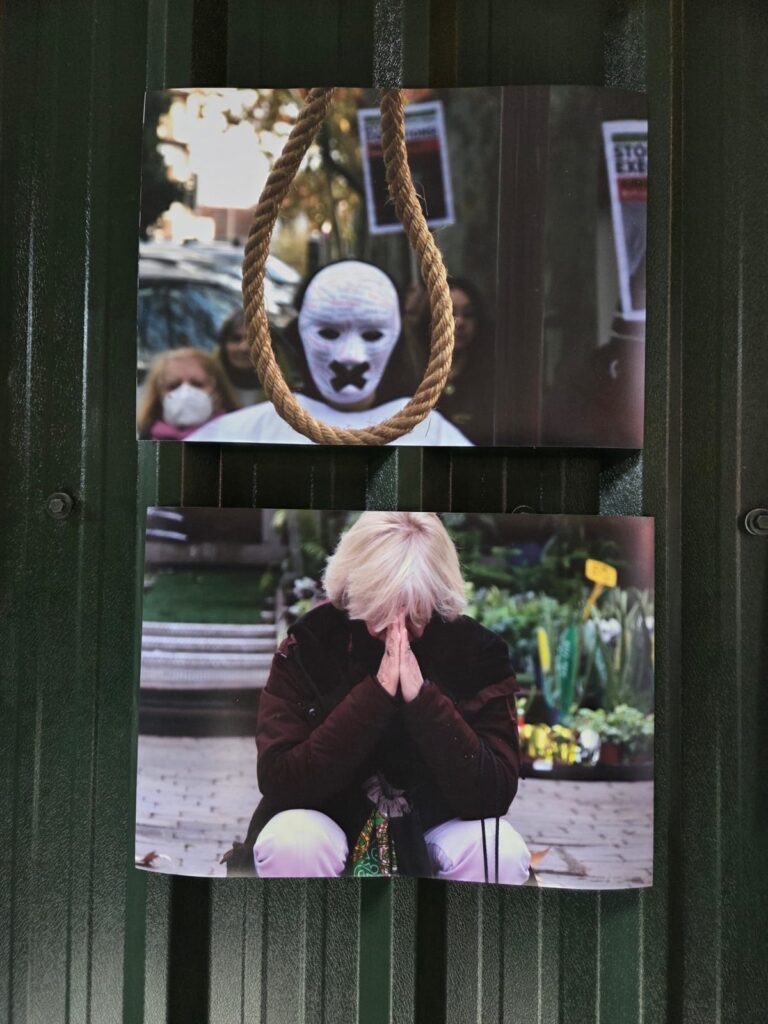
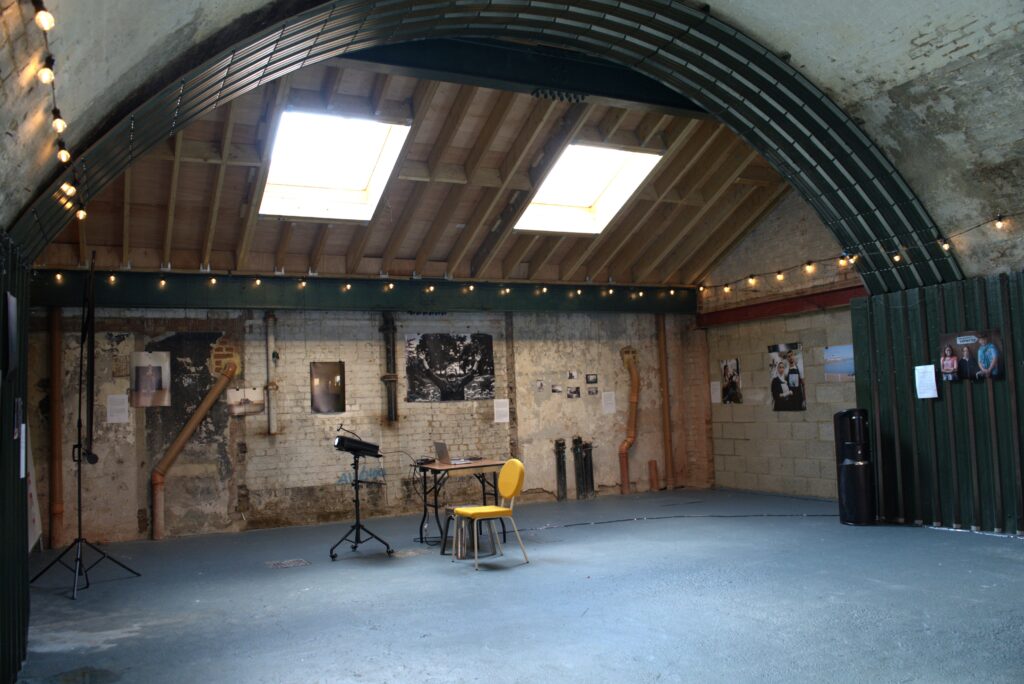
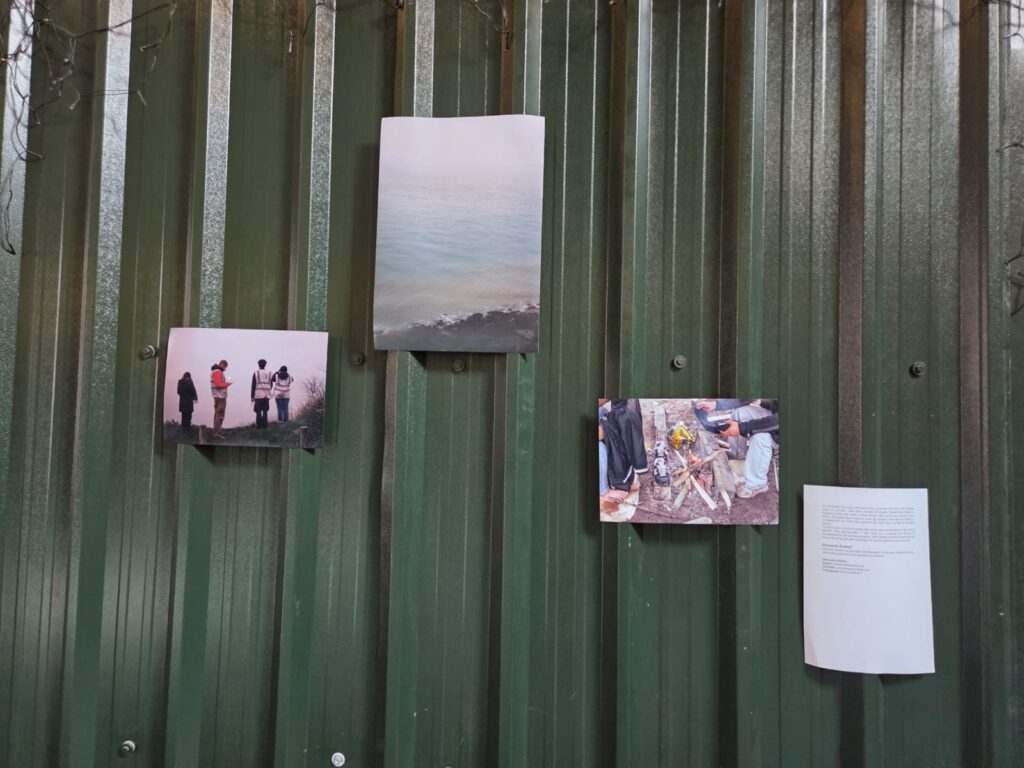
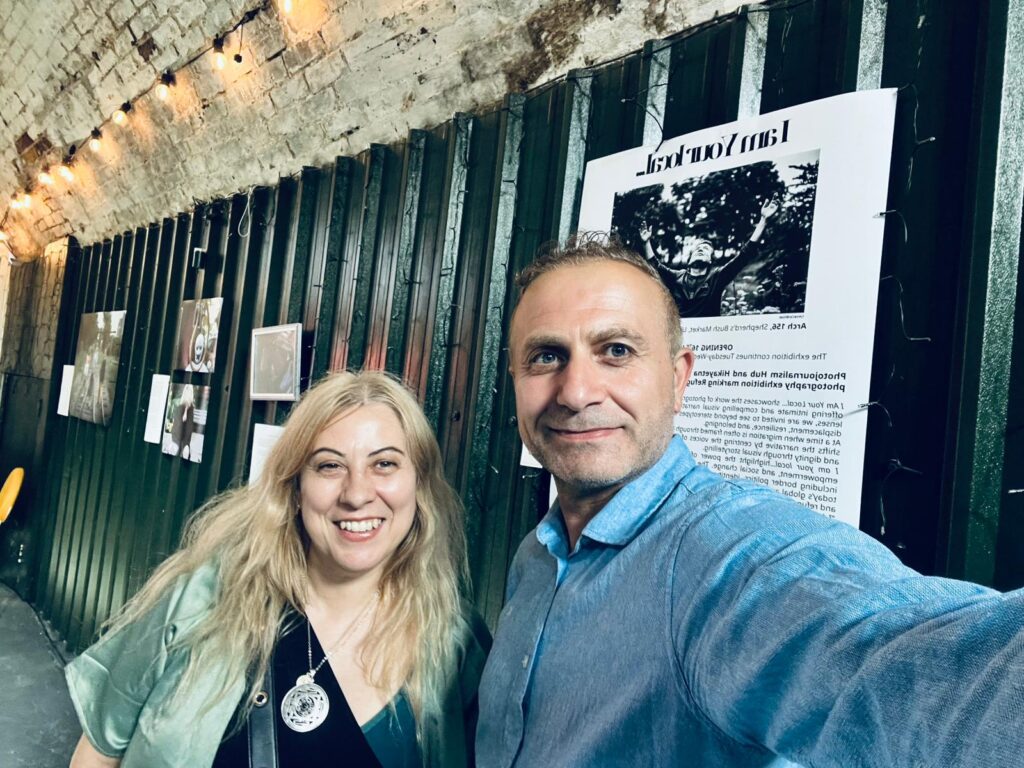
Photojournalism Hub presents IAm Your Local…, a photography exhibition in collaboration with Hikayetna at LondonShepherd’s Bush Market marking Refugee Week 2025.
“I Am Your Local…” features work by photographers from migrant and refugee backgrounds, offering unique insights into lived experiences, personal perspectives, and deep connections with their subjects.
At a time when migration is often framed through the lens of crisis, “I Am Your Local…” shifts the narrative by centering the voices and visions of those with lived experience, reclaiming space and dignity through the act of visual storytelling. The exhibition also speaks to urgent contemporary issues—including border politics, identity, and belonging—offering a deeply human perspective on today’s global and local realities.
The selected photographs communicate the immense resilience of migrants and refugees as they navigate grief, isolation, language barriers, and the challenges of adapting to life in a new country.
Supported by H&F Council, “I Am Your Local…” celebrates and honours the everyday contributions of migrants and refugees in our society, while fostering meaningful connections with the wider community.
The exhibition also highlights the power of photography as a creative tool for expression, empowerment, and social change.
“I Am Your Local…” shines a light and provides a tool to share the personal stories of the many individuals who are an integral part of our society, yet are often anonymised by a broad narrative that only sees them as migrants or refugees rather than as the chef, the doctor, the teacher, the volunteer, and so forth. It provides a space to reclaim identity and celebrate the many roles’ migrants and refugees hold in our communities.” – Cinzia D’Ambrosi
“I Am Your Local…” features the photographic work of Annie Gentil-Kraatz, Evgeniya Strygina, Manuela Federl, Maria Tomas Rodrigues, Nafisa Elfatih Elmahina, Natalia Sharomova, Nuriya Aliyaskarova, Olena Vasiukevych, Richard Zubelzu, Serbest Salih, Shasheet Alaa, and Uwera Djamilla.
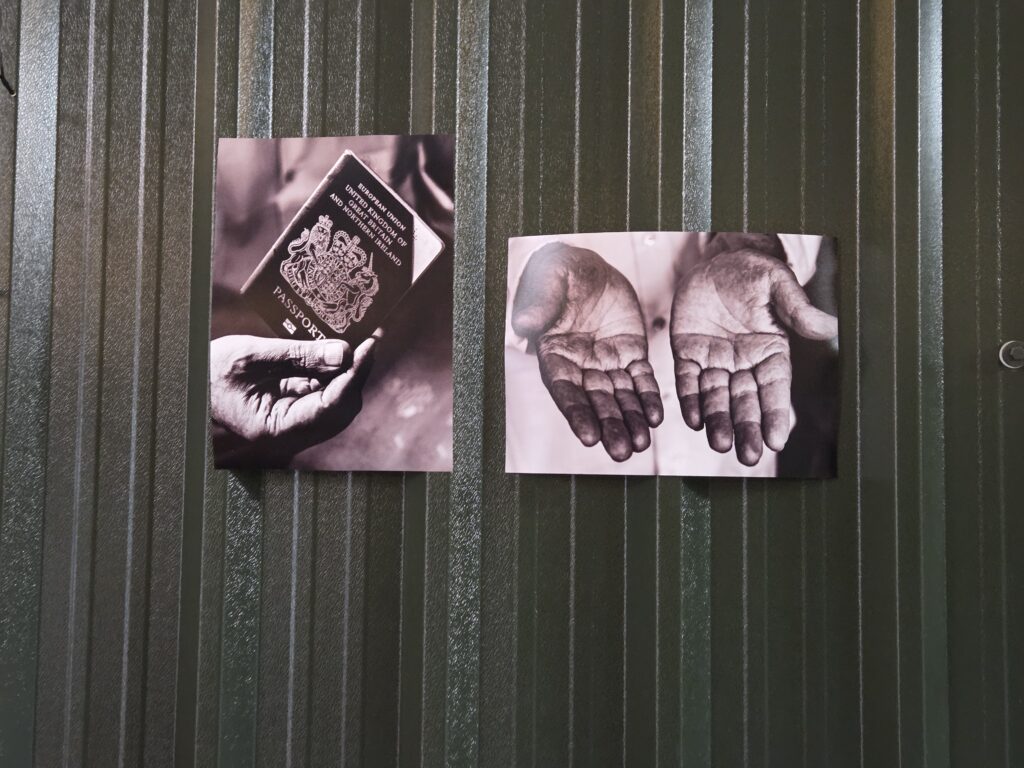
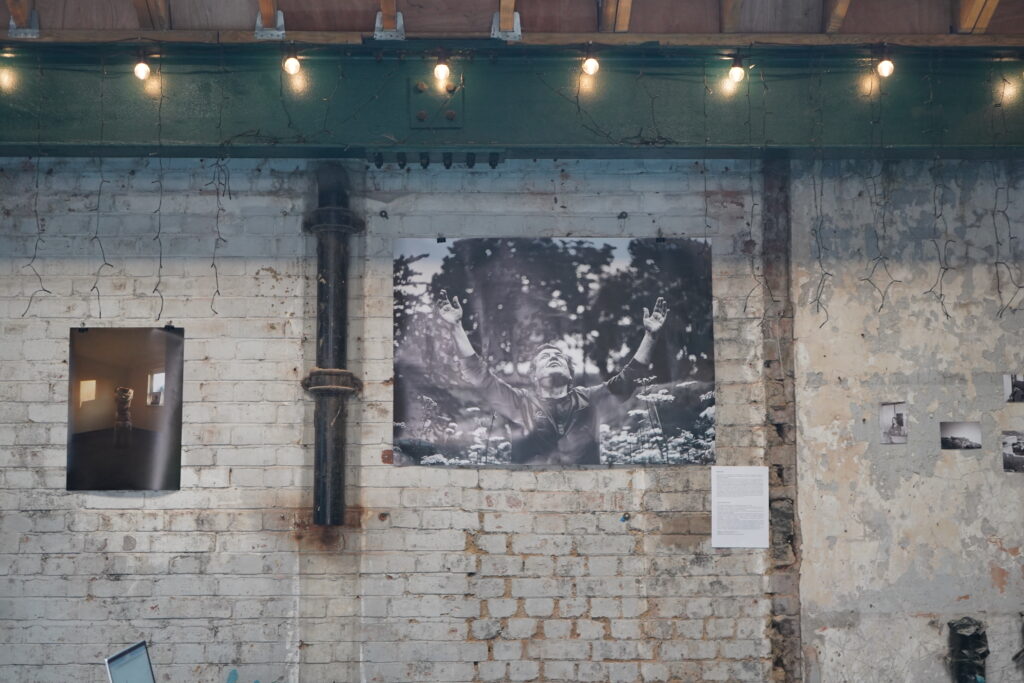
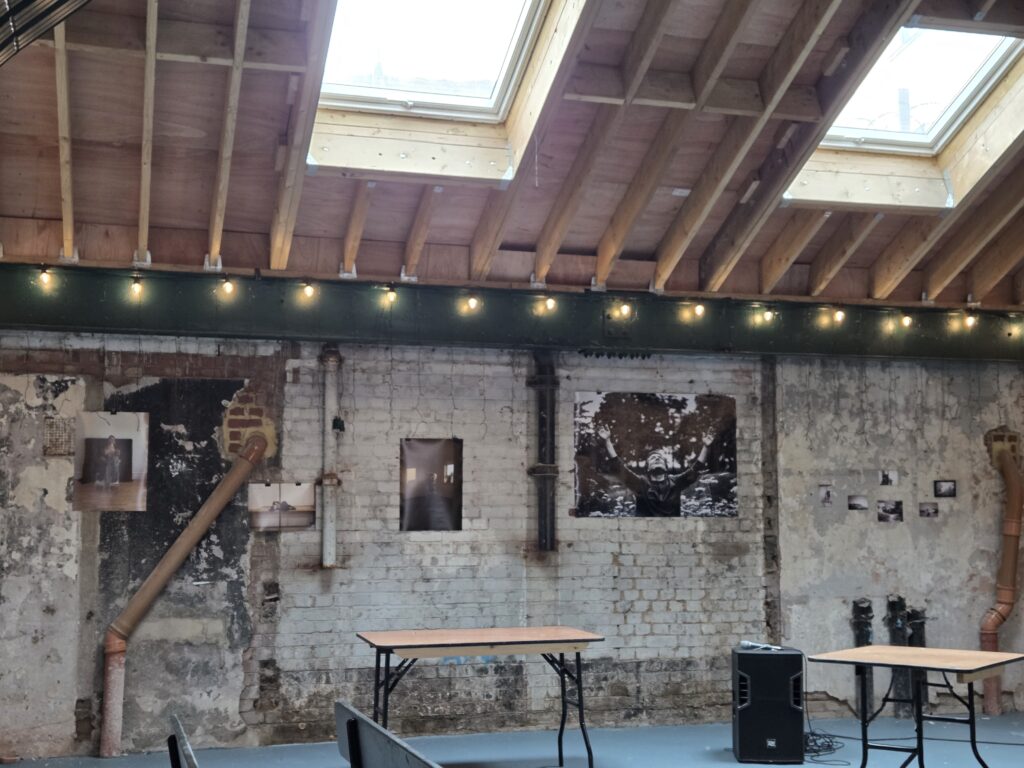
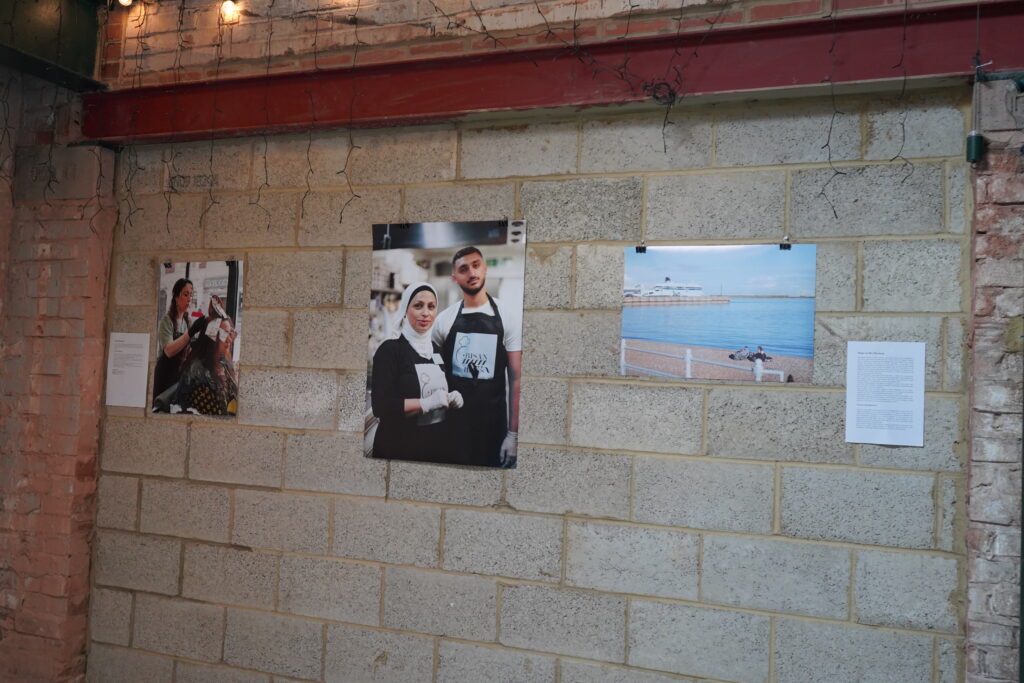
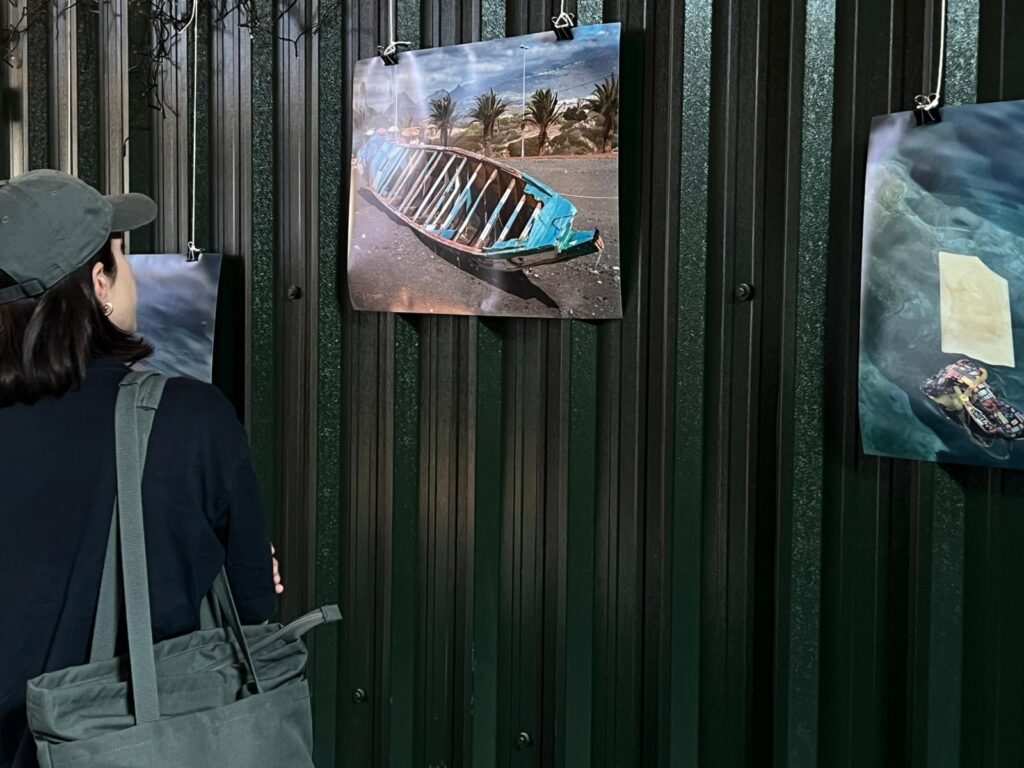
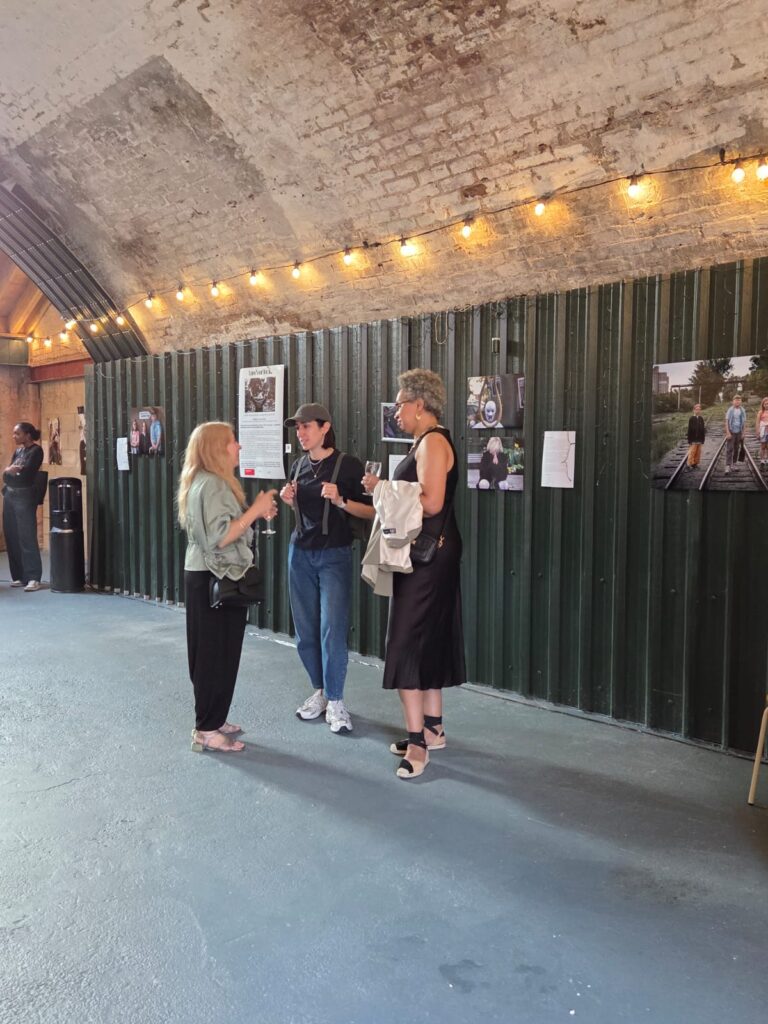
Photos from the exhibition (installation shots, close-ups of work on the walls, exhibition design).
THE OPENING
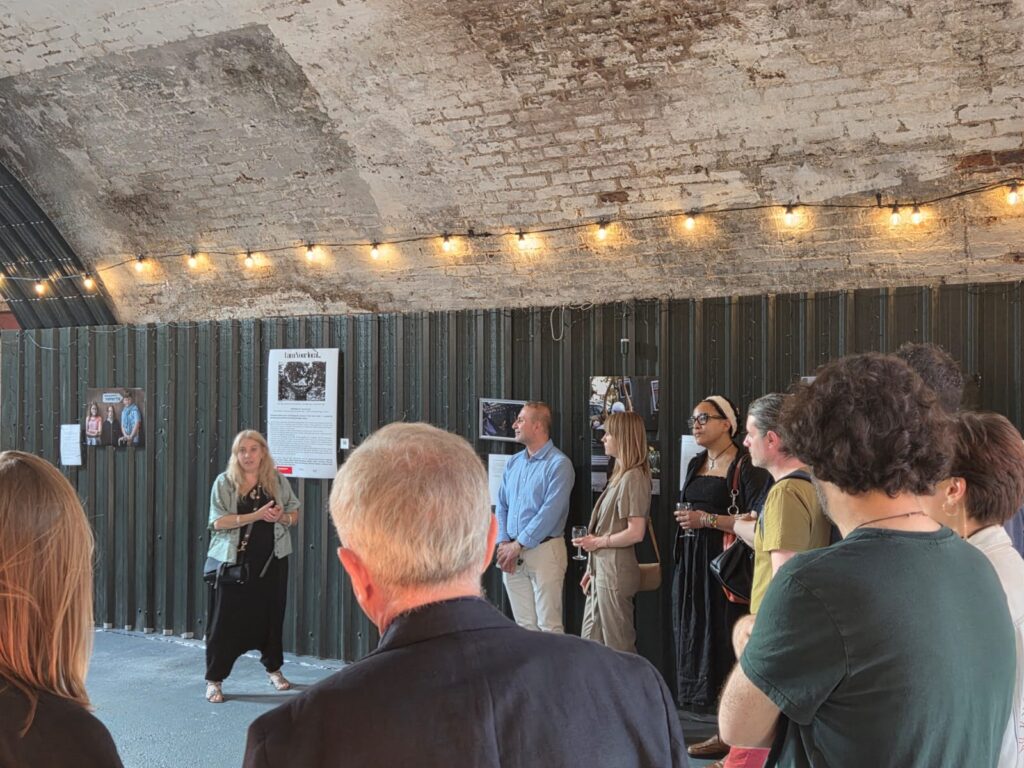
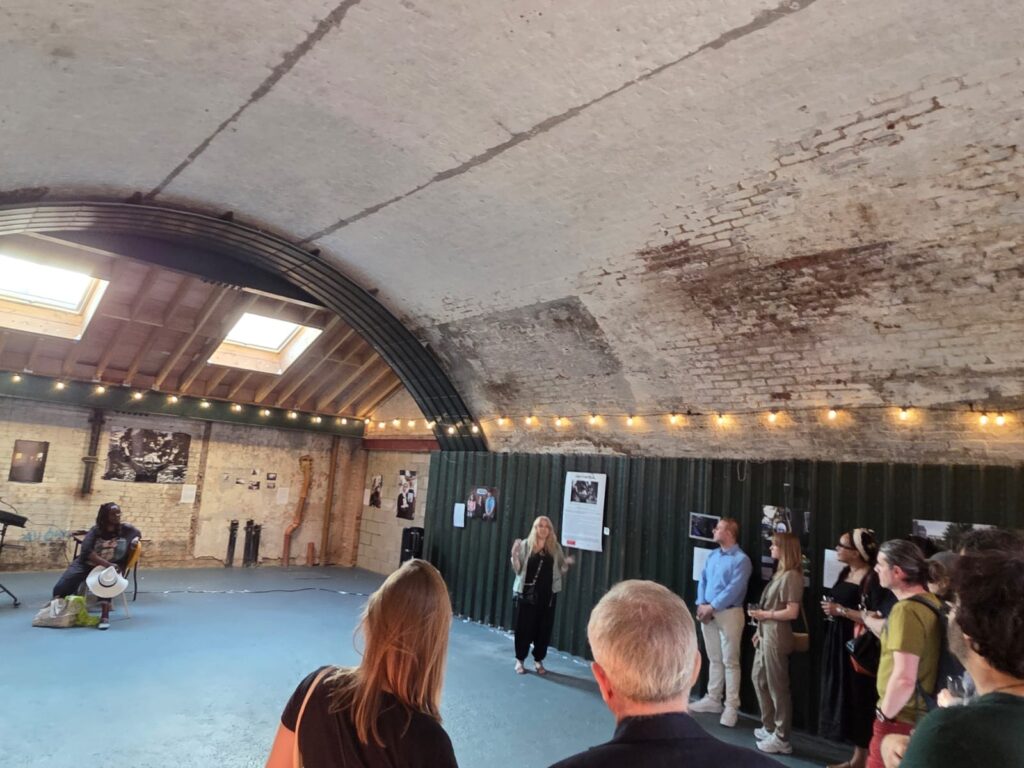
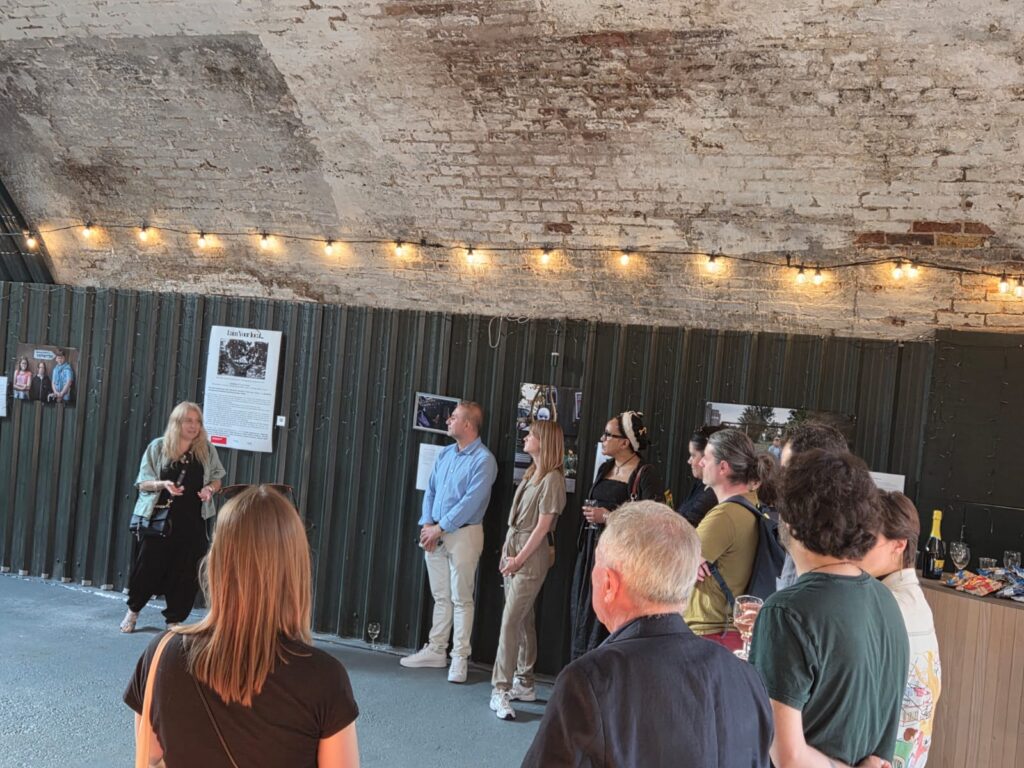
Photojournalism Hub in collaboration with Hikayetna, proudly celebrated the opening of I am Your Local… photography exhibition at Shepherd’s Bush Market to mark Refugee Week 2025.
The exhibition presented a beautiful fusion of photographs, video, and installation art, thoughtfully curated by Cinzia D’Ambrosi, founder and director of the Photojournalism Hub. Drawn by the reflection of how our community is inspired and supported by the many who are not originally from the UK.
Many who are part of our daily lives, yet are often left invisible; shopkeepers, teachers, drivers, entrepreneurs, doctors, nurses, and many others. presented the work of twelve talented photographers from migrant and refugee backgrounds. The selected twelve photographers, including those who fled the war in Ukraine, Syria, and photographers from a migrant background presented photography that addresses urgent contemporary issues including border politics, identity, and belonging, amplifying voices too often unheard.
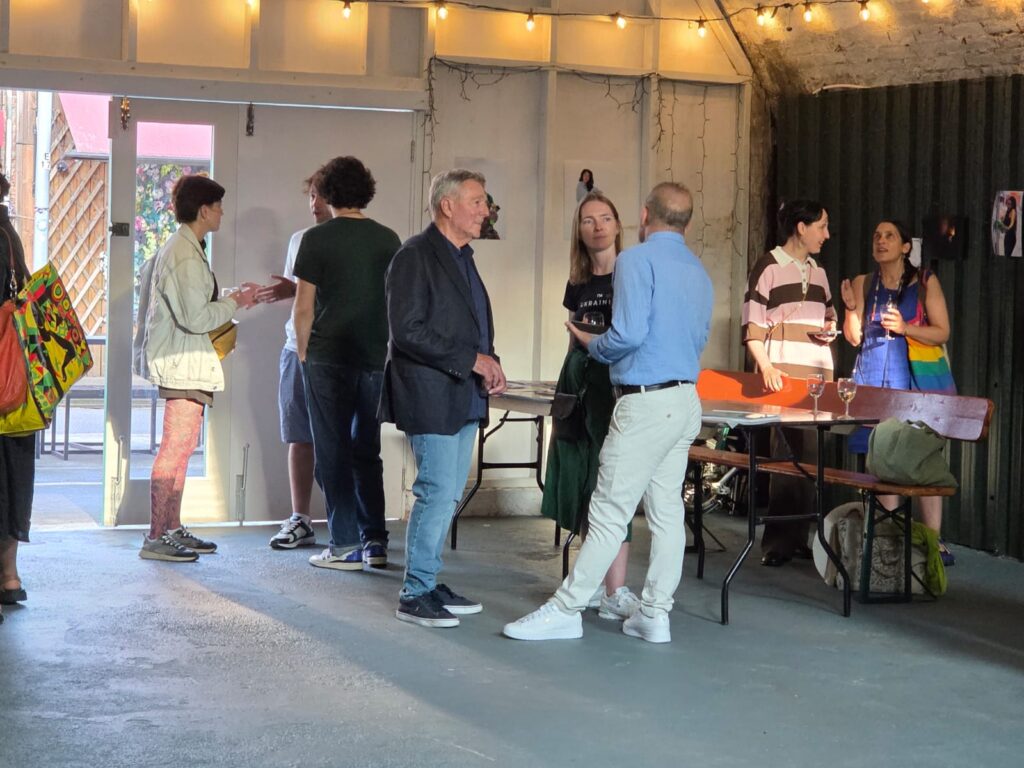
The Opening event was filled with inspiring conversations, shared experiences, and a strong sense of community as visitors engaged with the photographs, video film and installation, and connected with the stories behind them.
Photojournalism Huband Hikayetna are pleased to announce an OPEN CALL for photographers, amateur photographers, visual storytellers to contribute to our upcoming exhibition, “I Am Your Local…’ to mark a weeklong of celebrations run by H&F council for Refugee Week from 16-22 June 2025. We would like to celebrate the invaluable contributions of migrants and refugees to our communities with a photography exhibition. This Open Call invites photographers, amateurs and visual artists, especially from the local migrant and refugee community, to submit their work responding to the theme. We are looking for visual stories that highlight the roles refugees play in society. These stories should be about individuals who are integral to our daily lives, shopkeepers, entrepreneurs, doctors, nurses, and others who have built a home and contributed to the fabric of our society. We hope that the exhibition will serve as a platform for celebration and an opener of important conversations on the existing challenges that refugees and migrants face. Therefore, we are seeking compelling photo stories and images that educate, expose, and celebrate the experiences of migrants and refugees, from their struggles and resilience to triumphs. We hope that by opening this exhibitionI Am Your Local… will become Just like You by fostering deeper understanding, challenging stereotypes and highlighting the rich cultural and social impact of migration.
Who can submit: Submissions are open only to contributors with refugee and migrant backgrounds who are based in the UK.
How to submit: Singles or Series: Up to 6 images per submission, a short statement (max 300 words) about the work, and a short bio (max 150 words). Name, contact details, and relevant website and social media accounts. Images should be titled as follows: LastName_FirstName_Title.jpg
Deadline: 30th of April Submit your images to: admin@photojournalismhub.org
Why Participate? -Selected works will be showcased in a curated exhibition, gaining exposure to a wider audience. -Selected works will be published on Hikayetna and Photojournalism Hub website. -Opportunity to engage in important conversations around migration and identity. -A chance to connect with fellow photographers and documentary storytellers.
Photojournalism Hub March 2025 In Focus event at Riverside Studios will welcome uniquely experienced and talented photographers Janine Wiedel and Gabrielle Motola. Their presentations will guide us into the world of the documentary photo book from the point of view of visual anthropology and psychological and ethnocultural studies. The photographers’ works will be available during the evening – some for purchase and others for free (donations to Gabrielle Motola’s photographic bursary will be very welcome).
This event will be hosted by photojournalist Sabrina Merolla and Photojournalism Hub’s founder and director Cinzia D’Ambrosi. The talks will be followed by Q&As and time to socialise and mingle.
Janine Wiedel has been working as a documentary photographer and visual anthropologist since the late 1960s. From the Berkeley Riots and Black Panther Movement in California to the in-depth portrayal of the UK’s main historical protests since the 70s, she always fuelled a lifelong interest in movements and sub-cultures. Wiedel has persistently reworked her long-term projects, which have become prominent studies, books and exhibitions. She has published zines (Café Royal Books) and historical milestone books such as Vulcan’s Forge, dedicated to the West Midland Industries (1977-79). In-depth projects have focused on Irish Travellers, Baffin Island Inuits, UK Industries, Iran, Protest movements, Urban Squatting, Eco Warriors, the Rastafarian Community, and the Refugee Camps in Northern France. Currently, she is pulling together her book on the Greenham Common Women’s Peace Camp (1983/84). It will soon be followed by a book dedicated to ‘St Agnes Place Squat’ (2003-06), a notorious street in South London squatted by a diverse range of people over 30 years and evicted in 2006. Web: https://archive.wiedel-photo-library.com/index Insta: @wiedelphoto
Gabrielle Motola is an award-winning photographer, writer, and photo therapist whose work blends emotional depth with perceptive realism. Her creative process often integrates with solo motorcycle travels leading to portraiture, street, and infrared landscape photography, exploring self-reflection, resilience, and the human connection. Her photo book, An Equal Difference (2016), is an ethno-photographic exploration of Iceland’s striking contrasts while examining gender dynamics following the 2008 financial crisis. Created over three years, the book centres on dialogues with individuals from diverse walks of life, including politicians, scientists, artists and educators. These conversations go beyond the surface to reveal the complexities of the Icelandic mindset, encouraging a reflection on identity, gender equality, and the societal norms that influence them. Through her workshops, Gabrielle brings a reflective approach, inspiring participants to realise their unique creative potential. www.anequaldifference.com www.gabriellemotola.com Gabrielle’s workshops bursary: www.gabriellemotola.com/learn/#bursary Insta: @anequaldifference & @gmotophotos
BECOME A PJH MEMBER Consider becoming a member of the Photojournalism Hub. Your support will enable us to continue our work promoting photographic work that expose, raise awareness of social justice issues. To learn more how to become a member and the benefits of joining, follow the link HERE