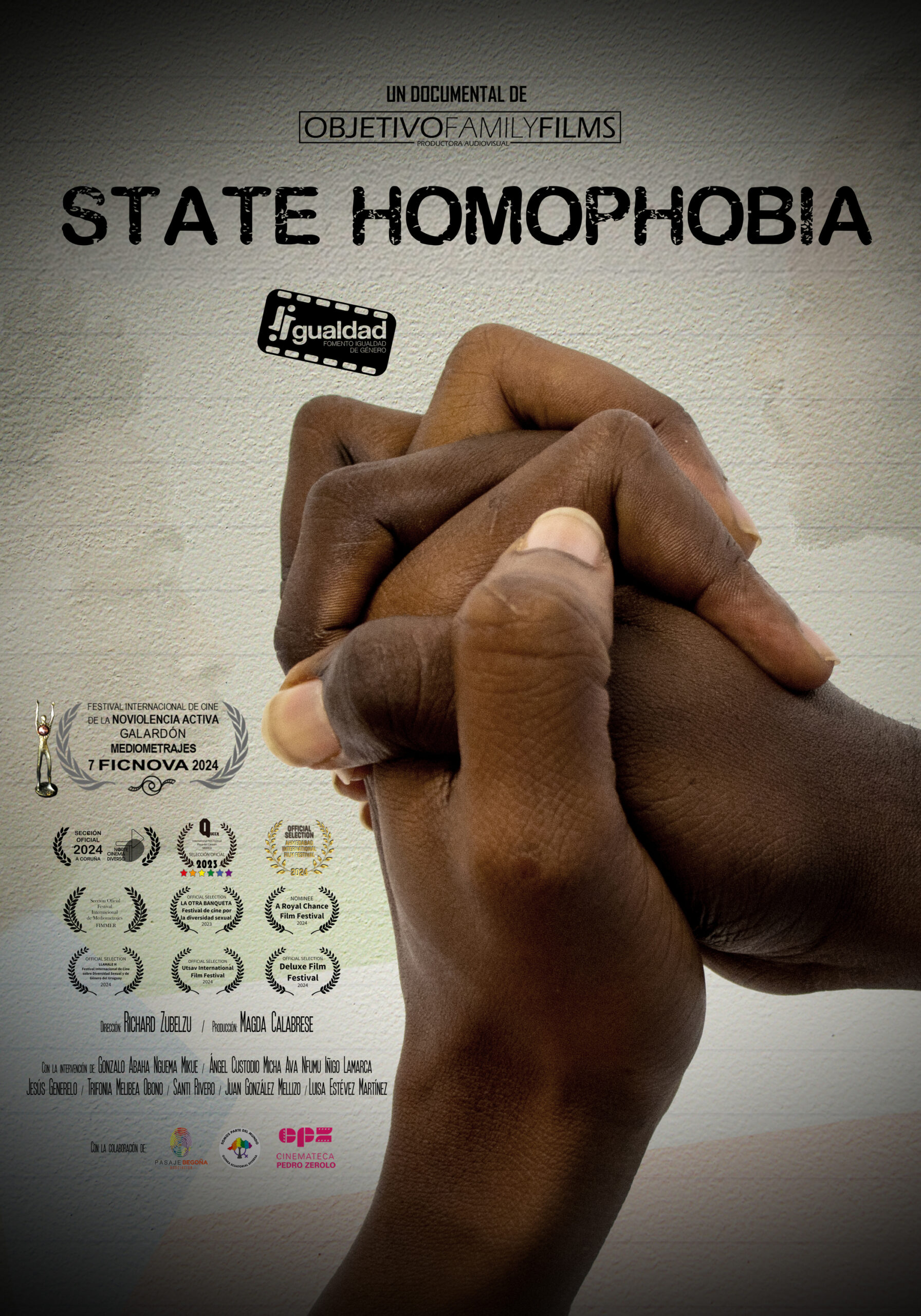
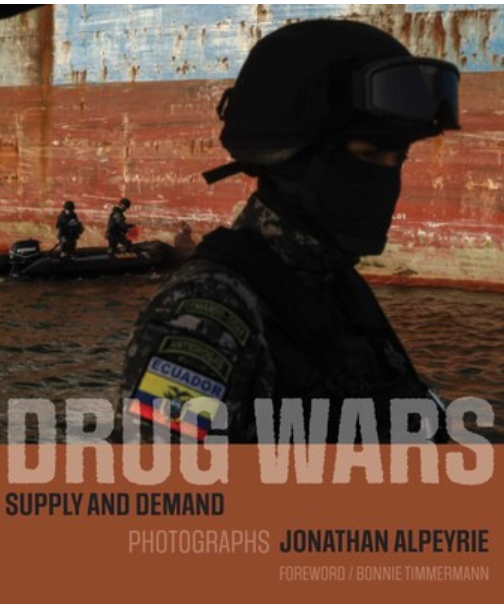
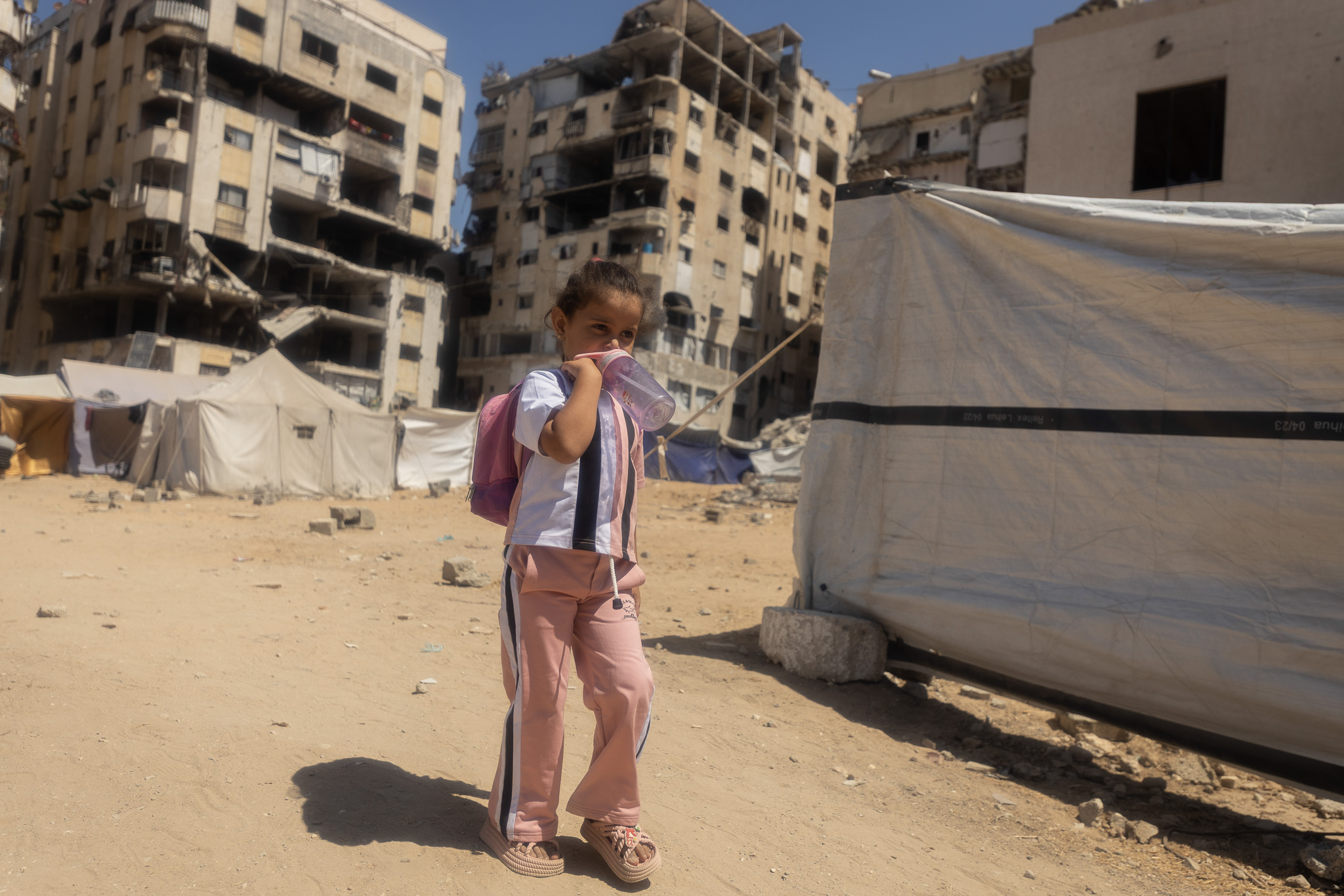
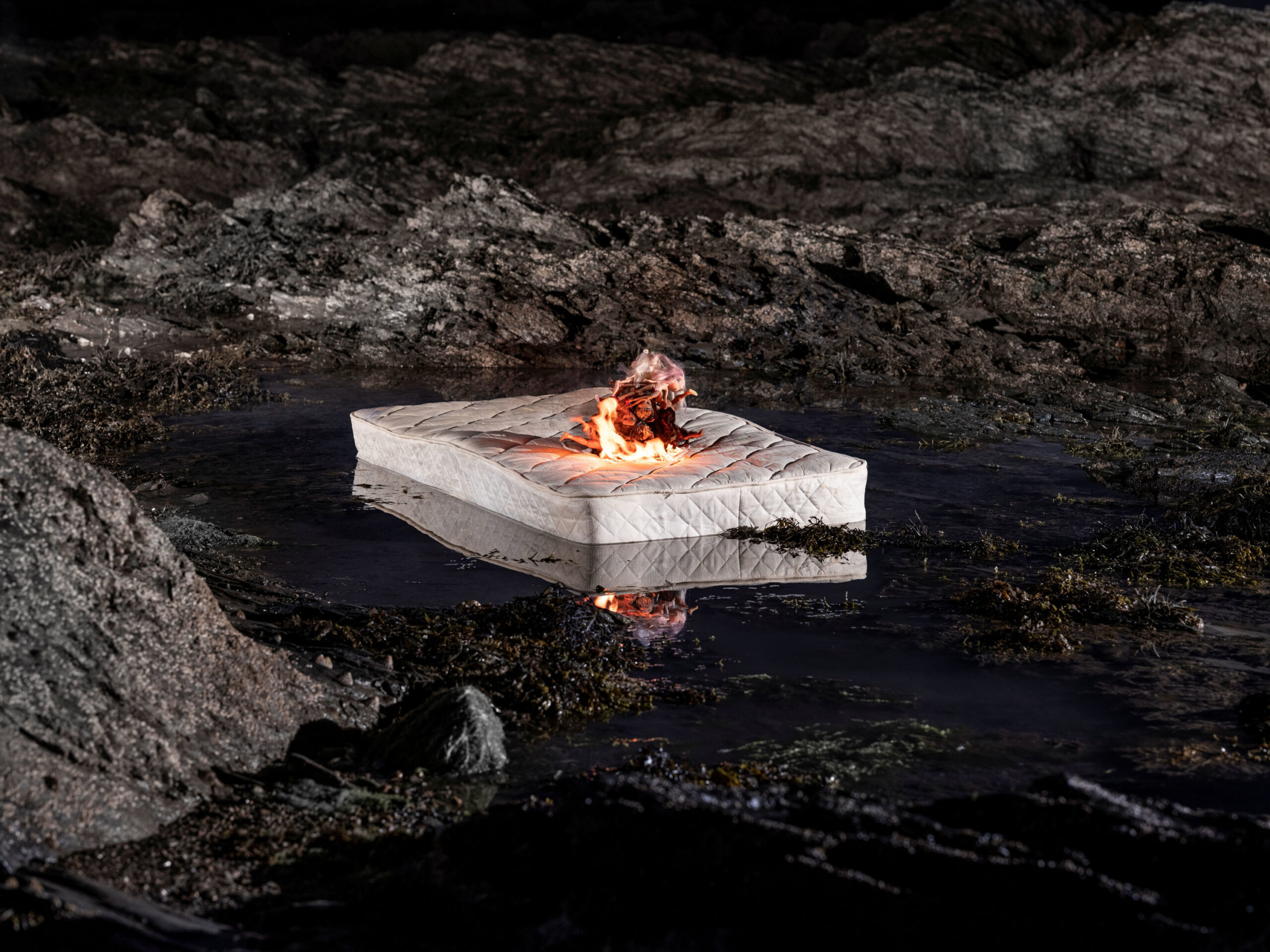
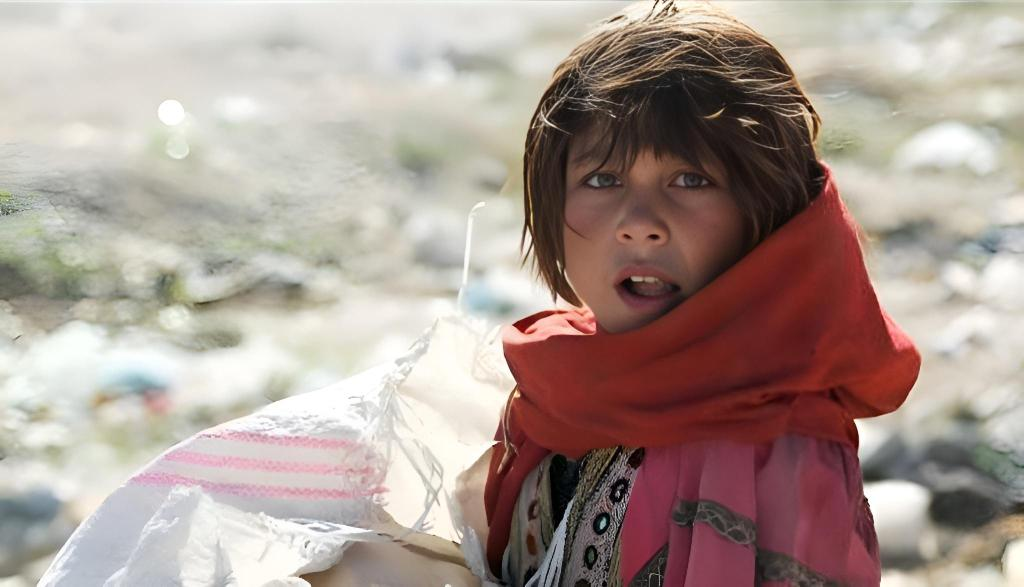
The Photojournalism Hub Calendar 2026 showcasing the incredible work of photojournalists and documentary photographers who have contributed to our mission.
The Photojournalism Hub is proud to present the latest edition of documentary photography and writings from our workshop participants. This issue focuses on the theme of ‘Communities’ in its broadest sense.
Our participants have captured stories using a social documentary approach, reported directly on community events, and explored the meaning of community from both personal and broader perspectives. We feature stories of communities of skaters, Meanwhile Gardens and the fight for its survival, exploring graffiti as a community voice, local venues that forms hubs of community attraction and support, and much more. Additionally, we present stories that have been taken abroad as some participants find that communities is what they feel they belong to.
The photo stories in this edition demonstrate a strong level of ownership of the medium of photography and visual narrative. I am delighted to share them with you.
The Photojournalism Hub photography magazine is published by the Photojournalism Hub CIC and produced with participants of the documentary photography workshops. To learn more about the workshops please contact: admin@photojournalismhub.org
Support us Help us to sustain our mission of photojournalism for action- change. Your donations and membership will help us transform lives through photography projects and education.
We are honoured to present renowned and award winning photographers Mariusz Smiejek and Roland Ramanan to the In Focus event on the 3rd of June. Both photographers’ long term work are deeply rooted in the documentary photography tradition presenting social justice issues combined with strong visual narratives.
Mariusz Śmiejek is an independent photographer, visual storyteller, and educator with over 20 years of experience specializing in capturing the raw narratives of human and social conditions. Renowned for documenting a wide range of subjects including post-conflict communities, refugee crises, child slavery, human trafficking, and systemic abuse. Recipient of prestigious awards in international photography competitions, his work has been exhibited globally and featured in renowned publications globally including The New York Times, National Geographic, and the British Journal of Photography, among many others. www.mariuszsmiejek.com
Not Surrendering tells a visual story specifically about the struggle of loyalists to shape a distinct identity in post-conflict Northern Ireland. The documentary narrative introduces us to the daily lives of the local British working-class as well as members of its illegal paramilitary groups. Recognised as terrorist organizations until recently, these associations still carry weight, sow fear, and control Northern Ireland’s Ulster. By focusing on the spaces which the book’s subjects inhabit, aspects of their daily lives, and the particularities of their neighbourhoods separated by ominous ‘peace walls,’ the photography brings to the fore the psychological state of siege which permeates working-class districts in Northern Ireland. The story also spotlights the atmosphere of despair which accompanies each successive generation – trapped socially and mentally in unprocessed traumas from which it cannot escape. The aim of the Not Surrendering is to increase awareness and knowledge about processes of reconciliation in post-conflict societies that are divided territorially, politically, nationally, and religiously. The story this volume highlights the difficulties NGO and other grassroots projects face while working with difficult youth from families deeply involved in the conflict. The photographic images illustrate the tensions arising during celebrations of national identity, during which especially members of paramilitary groups openly fan the flames of hatred towards their neighbours. This directly affects the indoctrination of the youngest who actively participate in numerous events of this type, leading often to recruitment of young people into paramilitary associations or organised criminal groups. This has been a personal, individual project from the very beginning to the end (2010-2020); partly supported at the very end stage by Artists Emergency Programme grant from the Arts Council of Northern Ireland and The National Lottery.
Roland Ramanan is a London based documentary photographer, born in 1966 with a background in music and education. He developed a passion for photography around 2010, initially through street photography. In 2012 he started a long term documentary project on a vulnerable group of people who gravitate towards a corner of east London called Gillett Square which is to be published by Dewi Lewis as the book “Dominoes”. This work has been featured in Vice magazine among others and has won various awards including being shortlisted for the Royal Photographic Society documentary awards 2023. In 2022 he was one of the finalists in the Portrait of Britain awards. Roland’s current project focuses on the London roller skate scene and its relationship to black culture. https://rolandramanan.com/
Dominoes is a unique and vibrant mosaic of the lives that float in and around a particular corner of Hackney in London’s East End. The book is populated by intimate pictures of people who have experienced addiction and pain as well as the deep joys of the community of which they are a part. Gillett Square was derelict and underdeveloped for years until, in the 1990s it became an experiment in urban regeneration. Like the Dominoes they play in the square, those lives are often precarious. For ten years from 2012 I was privileged to be allowed into the lives and homes of some of those I have met, to photograph their fights and struggles; their families and their lovers. Some of these people are now my friends and some are no longer with us. The participants I am closest to form the heart of the book and I’m sure that bond will continue. The work gives us honest glimpses into lives that we may often turn away from but always with a sense of hope. Dominoes touches on universal themes of love, death, hope and the evolution of urban communities.
BECOME A PJH MEMBER Consider becoming a member of the Photojournalism Hub and receive the benefits of free access to events, resources, premier editorial content, portfolio reviews, and discounts on entry to our photography exhibitions, training and in our shop, whilst you will be supporting our work advocating, advancing social justice and human rights, amplifying community voices and enhance access to media to those facing social, economic and structural challenges. If there were ever a time to join us, it is now. Support the Photojournalism Hub from as little as £1 every month. If you can, please consider supporting us with a regular amount each month. Thank you. JOIN US HERE
It has been called the ‘transformed belt’ and consists of a set of territories in southern Sicily where greenhouse farming activities have replaced the original crops. This transformation has led to the partial destruction of dune environments with the consequent pollution of the coast, the loss of biodiversity and a strong marginalisation of migrant communities. In fact, migrants are the majority of the workforce.
Those who work in the greenhouses are also hidden from the rest of the community as they live, in most cases, in rural settings and in employer-provided housing that is often shacks or company sheds. Throughout the area, entry into the labour market is a profoundly precarious process, marked by daily relationships and articulated solely in terms of exploitative relationships.
In recent decades, the number of greenhouses on the island has practically tripled. An example is the case of Santa Croce di Camerina (RG) in which has the highest percentage ratio of migrant population employed in agriculture and the municipality hosts half of the foreign population registered in the province. A simple estimate of the area covered by the greenhouses, which changes every year, shows an area of about 61 square kilometres surrounding the town.
The NGO Emergency operates in the entire area of the transformed belt. In addition to having a psychological support programme for the labourers, it is vital for those who otherwise would not have access to basic health services.
Finally, there is the environmental factor. Greenhouse agriculture requires an intensive use of pesticides and fertilisers that lead to a progressive loss of fertility and a high rate of soil consumption. Residues seem to be a determining factor in the pollution of water analysed by ISPRA. The institute calculates that at least 66,176 tonnes of fertilisers are released annually into the island’s agricultural systems. To this is added atmospheric pollution from dioxins due to the numerous fires lit at the end of the day to burn greenhouse maintenance waste often made of plastic.
Bio Angelo Scelfo, Italian photojournalist based in Bologna (Italy). Born in October 1979 in Bologna and grown up in Sicily. I studied philosophy at Università degli studi di Palermo and photography at ISFCI in Rome. Since 2005 I have been involved in photography, today I dedicate myself full time to photojournalism as a freelancer. I also like to write: the world of self-productions and fanzines has always been the most congenial to me. I live between Bologna, Rome and Palermo.
Photojournalism Hub and Riverside Studios are delighted to announce Sascha Klamp and Valeria Luongo as the featured photographers for ‘In Focus,’ a captivating series of photography events. This series present photographers whose work engage with social documentary photo storytelling, using the lens as a powerful tool for engagement, exploration and raising awareness. The event includes presentations, live interactive Q&As and a social. Our guests of this edition have a background or work with an anthropological approach, using documentary photography to present stories that capture and explore community and individual memory, archives and rituals.
Valeria Luongo is an Italian documentary photographer, filmmaker, and anthropologist who’s based between Mexico and the UK. Her photographic approach is characterised by working on long term projects. Her work explores stories regarding gender, spirituality and rituals and has been featured in National Geographic, The Guardian, BBC, GEO Magazine and exhibited internationally.
“When Women Fly” is a project about a group of indigenous women from Cuetzalan del Progreso, Mexico, challenging gender roles by participating in a traditionally male ritual called Danza de los Voladores. The ritual begins with a ceremonial dance. Five participants then ascend a 30-metre pole and jump off the top, head first, tied to ropes as they revolve around the pole towards the ground. Historically, only men were allowed to partake in the ritual. However, a few women in Cuetzalan have recently joined the practice. The flying women defy traditional gender roles, symbolising transformation within their social context. Since 2022 I’ve been working alongside several women and girls who fly, documenting their everyday lives among their community.
Sascha Klamp is a British/German multi-award winning Documentary Filmmaker, Photo-documentary Journalist and Producer based in London, UK. He spent the majority of his career as an investor and entrepreneur which enabled him to travel across frontier and emerging markets. His photography practice centres on highlighting social impact and social justice affairs which is deeply rooted in his curiosity to learn more of the world around him. He tells frontline human and community stories based on empathy for the situation and the people involved. His thinking is informed by his interest in ethnology and social anthropology. Sascha exhibited a small selection of his The Art of Seeing, The Art of Remembering project in London in November 2022. His work was highly commended by the TPF Social Documentary Awards (Professional Category, Series) for his The Art of Seeing, The Art of Remembering work. Sascha completed his MA Photojournalism & Documentary Photography studies at the University of the Arts (Distinction), London. He also holds an MBA (Bayes Business School, London) and a Masters in Law, LLM (King’s College, London), and a BSc International Securities, Investment & Banking from Henley Business School (ICMA Centre). Filmography: “The Art of Seeing, The Art of Remembering” (2022), “The Blockade” (2023).
In a remote village in Kosovo, the past casts a long shadow. A single family of 2500 souls, now in its 13th generation, struggles to find its place in a changing world. Based on the Directors engagement with the community and renowned Community Archival work, KINSHIP tells the story of one family’s search for belonging. We meet Rabit, the community’s Doctor, who recounts his heart-breaking tale of being ‘gifted’ to his uncle as a young boy. An all too common practice rooted in ancient customs. He grapples with the trauma of his stolen innocence. Meanwhile, Couple Mumin and Qamile Dermaku tell their moving story of how they met, the challenge he went through gifting a brother to a neighbour and his wife’s struggle to join the ‘jungle’ of a remote community. Expecting mother Florentina faces her own struggle. Pregnant with her first child, she dreams of a better future. But is that future possible here? Or must she also make the painful choice to leave everything she has ever known behind? The village Elders tell their stories aided by black-and-white photographs sourced from their family photo albums. They recount stories of happier times but also times of conflict and change. These memories contradict with the experience of the younger generations who cannot imagine a rural life with its limited resources and opportunities. Joining the diaspora is a potential way out to seek a fortune and future elsewhere. The cleric focuses on holding the community together. But his own story contradicts the ambitions of his community. The state looks away from the Kanun law/ tradition (Kanun of Lek Dukagjini). The honour code (vendetta in Italy) contradicts with the country’s ambition to become a full EU member. We engage with Child Psychologists who explain the harm done to children being gifted to family members and how that trauma informs their choices. Running away from it all sounds like a sound choice for many.
BECOME A PJH MEMBER Consider becoming a member of the Photojournalism Hub and receive the benefits of free access to events, resources, premier editorial content, portfolio reviews, and discounts on entry to our photography exhibitions, training and in our shop, whilst you will be supporting our work advocating, advancing social justice and human rights, amplifying community voices and enhance access to media to those facing social, economic and structural challenges. If there were ever a time to join us, it is now. Support the Photojournalism Hub from as little as £1 every month. If you can, please consider supporting us with a regular amount each month. Thank you. JOIN US HERE
In this new edition of ‘Capturing Crisis’ youth photography magazine, we present a special edition on a local coffee shop to learn of its championing and success. We present a photo essay on the charity Nourish Hub documenting its cycle of sustainability, healthy and free food for all. Our young team also reported on Free Palestine local and national responses. And we present evocative images at Meanwhile Gardens, a photo story on volunteers creating a community garden at Factory Quarter in west London. In the last pages, we present the world of teenagers and friends, and a few portraits from a series of portraits of staff at The Globe, the dedicated Shakespeare Theatre in central London. We hope you enjoy Capturing Crisis youth magazine!
Capturing Crisis is a youth documentary and photojournalism magazine. All features and photographs are created by participants of ‘Stories, Reporting Mag, Photography Course’. The magazine provides the opportunity for youths who never had access to, to share their photography and photo stories to a large audience. Photojournalism Hub is committed to providing opportunities and support to youths, enabling equality in accessing opportunities for further education and work in the photo industry. Capturing Crisis magazine is a testament of the great work and inspiring contribution of our youths.
The project is supported by the NHS west London trust, Hammersmith and Fulham Council and Sobus.
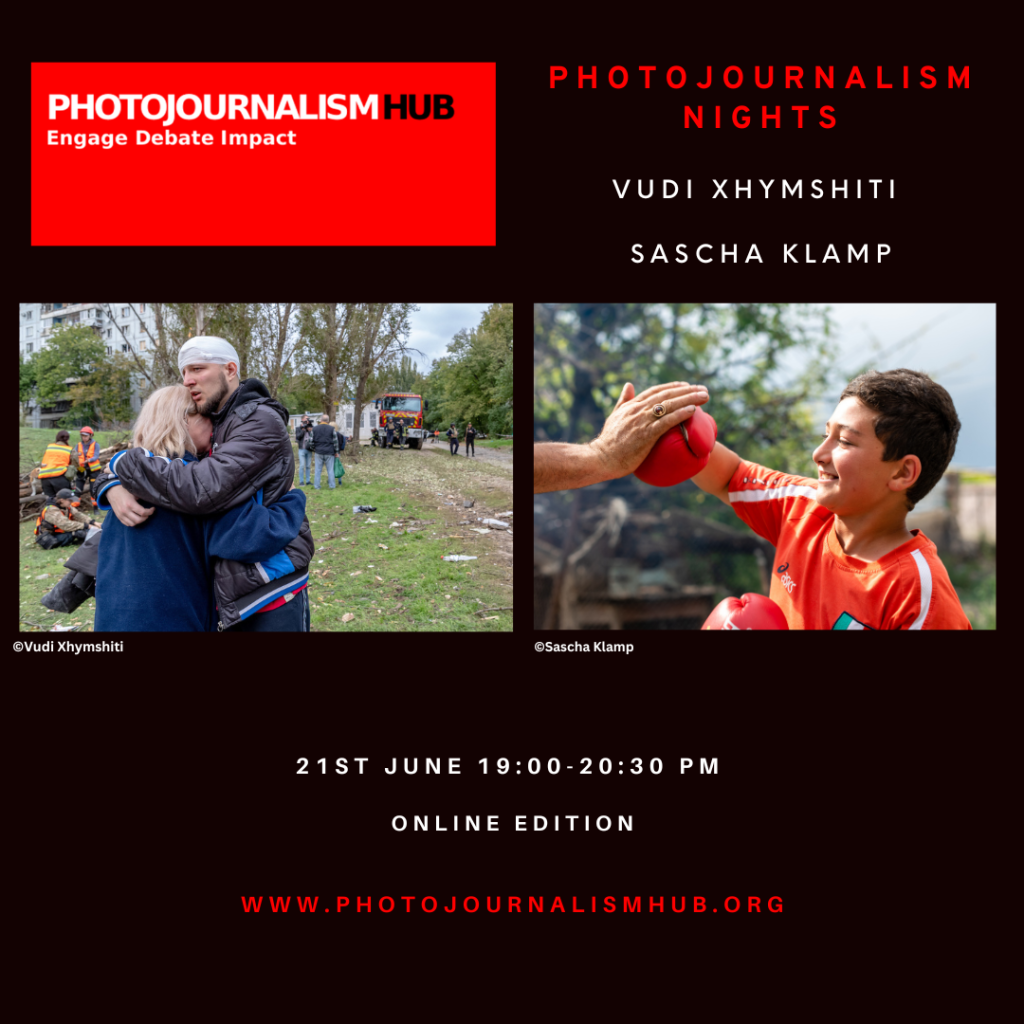
Join us for an exciting night of PHOTOJOURNALISM! Our online event starts on Wed Jun 21 2023 at 7:00 PM BST. To book: HERE
This event will showcase the works of talented photojournalists Vudi Xhymshiti and Sascha Klamp. Get ready to be inspired by their captivating images and stories. Vudi a renowned photojournalist will share stories from war torn Ukraine where he has been reporting from over 7 months and Sascha who is a multi awarded filmmaker will be speaking about his latest work in Armenia.
During the event, you’ll have the opportunity to interact with the photographers and learn about their experiences in the field. You’ll also get a chance to ask questions and share your own thoughts on the power of photojournalism.
Don’t miss out on this incredible opportunity to connect with two great photojournalists, documentary photographers and filmmakers with and connect with a peer community. Register now and get ready for a night that will inspire.
Vudi Xhymshiti is a photographer and journalist based in London, who has covered major world events since 2007, with his work appearing in prestigious news outlets such as The New York Times, TIME Magazine, The New Yorker, The Guardian, The Times and the Sunday Times of London, CNN, BBC, DW etc. His assignments have taken him to the frontlines of the Arab Spring, the Syrian and Libyan Civil Wars, and the aftermath of the Armenian-Azerbaijani armed conflict in Nagorno Karabakh. Throughout 2022, he reported on the Russian military aggression in Ukraine and travelled to Moldova to observe and report on the impact of Russian territorial expansionist foreign policy on neighbouring countries. He also spent four months familiarising himself with rising tensions in Kosovo, Bosnia and Herzegovina, and Montenegro, following Serbia’s alignment of its Foreign Policy with the Russian Federation. Xhymshiti is not only a talented journalist, but also the founder of VX Pictures and an educator in the visual journalism industry. Don’t miss out on his insights and coverage – visit his website https://vudixhymshiti.uk/ to learn more about him, read his blog https://vudixhymshiti.uk/blog/, and view his latest work on https://vximages.com/.
Sascha Klamp is a British/German multi-award winning Documentary Filmmaker, Photo-documentary Journalist and Producer based in London, UK. He spent the majority of his career as an investor and entrepreneur which enabled him to travel across frontier and emerging markets. His photography practice centres on highlighting social impact and social justice affairs which is deeply rooted in his curiosity to learn more of the world around him. He tells frontline human and community stories based on empathy for the situation and the people involved. His thinking is informed by his interest in ethnology and anthropology. Sascha exhibited a small selection of his The Art of Seeing, The Art of Remembering project in London in November 2022. His work was highly commended by the TPF Social Documentary Awards (Professional Category, Series) for his The Art of Seeing, The Art of Remembering work. Sascha completed his MA Photojournalism & Documentary Photography studies at the University of the Arts (Distinction), London. He also holds an MBA (Bayes Business School, London) and a Masters in Law, LLM (King’s College, London), and a BSc International Securities, Investment & Banking from Henley Business School (ICMA Centre). He is married with three daughters. Filmography: “The Art of Seeing, The Art of Remembering” (2022), “The Blockade” (2023)
BECOME A PJH MEMBER
Consider becoming a member of the Photojournalism Hub and receive the benefits of free access to events, Photojournalism Hub resources, premier editorial content, portfolio reviews, photography exhibitions, discounts on our courses and training, whilst you will be supporting our work advocating, advancing social justice and human rights. If there were ever a time to join us, it is now. Support the Photojournalism Hub from as little as £1 every month. If you can, please consider supporting us with a regular amount each month. Thank you. JOIN US HERE
Jonathan Alpeyrie’s career spans over two decades, has brought him to 35 countries, and has covered 14 conflict zone assignments, in the Middle East and North Africa, the South Caucasus, Europe, North America, and Central Asia.
Born in Paris in 1979, Jonathan Alpeyrie moved to the United States in 1993. He graduated from the Lycée Français de New York in 1998 and went on to study medieval history at the University of Chicago, from which he graduated in 2003. Alpeyrie started his career shooting for local Chicago newspapers during his undergraduate years. He spent a month driving across the country to create my first photo essay like a professional. The essay focused on the remnant of the Communist era heavy industry. His driver at the time took him to all the major industrial sites, visiting abandoned factories and taking photographs of what once was. The decaying infrastructure was a fascinating reminder of a collapsed system barely 10 years prior.
After graduating from the University of Chicago in the spring of 2003, Jonathan was sent off to start his first dangerous photo essay which he hoped at the time would help me further to launch his career as a photojournalist. He spent over a month covering gang activity in the Congolese capital of Kinshasa. With the photo essay completed, he returned home and was quickly picked up by Getty images for the reportage section after it was noticed by some editors at the NYC office. 2004, was a watermark year for Jonathan as he started covering wars that very same year, from West Africa to the Caucasus, all for Getty Images.
I became a war photographer in order to immerse myself into historical situations to then report them back to the public. Cut and dry
Jonathan Alpeyrie
With almost a decade of experience behind him and half a dozen wars under my belt, Jonathan decided to go on his own and leave the agency business partially behind. Dealing directly with his own clients while still working for various photo agencies, he started covering wars in the Middle East and Central Asia, furthering his resume as a war photographer. A year later, the Arab Spring launched a new phase in his career. With the various conflicts erupting all around the Middle East, Syria started to attract war reporters from all over the world interested in covering this new hot conflict. After two trips to the war-torn country in 2012, Jonathan decided to return in 2013. It happened after he was kidnapped for three months by Islamic rebels.
By 2014, right after his release from Syria, he embarked on another voyage, this time into Slavic land to start covering the new hot war: Ukraine. After almost 14 months of coverage, he was injured during a gun battle in Mariupol.
That year his career took another turn as he almost permanently stopped working for agencies and focused on some of his big clients like Vanity Fair, CNN, and others, which, interestingly was a reminiscence of the earlier part of his career when he was solely doing photo essays and almost no news. He focused on personal projects which took him closer to a region a new from his previous travels like Mexico and Central America while keeping an eye on South America.
After a hiatus from covering wars, he went to Iraq to cover the battle of Mosul in 2017, and took another break from war in 2018, except for some time spent on the front lines in Ukraine, he decided to focus on the drug wars in South America, and more specifically in Brazil. Covid19 cut short his project and focused on the pandemic with an exception: the war in Armenia at the end of 2020.
The War in Ukraine since 2014 never ended but rather was in a state of hiatus with more upsurge of fighting once in a while. February 2022, with the Russian invasion of its neighbor, has had everyone surprised by the scale of its aggression. When the fighting erupted he was in Mexico shooting a story on the drug war, as soon as his assignment ended he departed for the front in Central Ukraine. He spent a month covering the war between the two Slavic nations. Once more, he was drawn back into a conflict.
Alpeyrie has worked as a freelancer for various publications and websites, such as the Sunday Times, Le Figaro Magazine, ELLE, American Photo, GLAMOUR, Aftenposten, Le Monde, & bbc among others. Jonathan Alpeyrie’s career spans over a decade, and has brought him to over 36 countries, covered 14 conflict zones assignments, in the Middle East and North Africa, the South Caucasus, Europe, North America and Central Asia. A future photography book about wwii. Veterans with verve editions are in the works.
Alpeyrie has been published in magazines such as: Paris Match, aftenposten, times (Europe), Newsweek, Wine Spectator, Boston Globe, glamour, bbc, vsd, Le Monde, newsweek, Popular Photography, Vanity Fair, La Stampa, cnn, and Bild Zeit, elle Magazine, Der Spiegel, Le Figaro, marie claire, The Guardian, The Atlantic.
Jonathan Alpeyrie www.jonathanalpeyrie.com E: peloponnessian@hotmail.com @Jonalpeyrie
BECOME A PJH MEMBER
Consider becoming a member of the Photojournalism Hub and receive the benefits of free access to events, Photojournalism Hub resources, premier editorial content, portfolio reviews, photography exhibitions, discounts on our courses and training, whilst you will be supporting our work advocating, advancing social justice and human rights. If there were ever a time to join us, it is now. Support the Photojournalism Hub from as little as £1 every month. If you can, please consider supporting us with a regular amount each month. Thank you. JOIN US HERE
Som Prabh from the Photojournalism Hub was in conversation with award winning photojournalist Ryan Thomas on his photobook ‘Everything Will Kill You, So Choose Something Proactive’. The photobook is a collection of images shot from 2018 to 2022, mostly shot in Britain, with additional photographs taken in America and France. The work focuses on sublime, chaotic, and even peaceful (albeit disruptive) elements and has become an exploratory research into the similarities that bind rapidly fluid groups of people and the unpredictable energy that ensues. Ryan is a 23-year-old photojournalist currently based in Bristol, UK. He has an MA in Photojournalism from the University of Wales Trinity St. David’s Swansea. Ryan grew up in rural Wisconsin but have deep roots embedded in west Wales, the Land of my Fathers. Ryan covers a range of documentary subjects and has worked with a number of charities and enjoys being involved with intimate and personal projects just as much as the active aspects of protests and rallies. He has had editorial commissions with Huck Magazine, WalesOnline, Daily Mom, Oxfam UK, and DeafBlind UK and has had the good grace to be shortlisted for RPS International Photography Exhibition 164 2022 and reached 3rd place at the Arizona Congressional Photo Competition 2016.
To contact Ryan directly: Email: ryanarwynthomas@gmail.com Instagram: ryanthomas.photography Twitter: ryanthomasphoto To order a copy of the book: https://www.ryanthomasphotography.com
BECOME A PJH MEMBER Please support the Photojournalism Hub from as little as £1 every month. Consider becoming a member of the Photojournalism Hub and receive the benefits of editorial content, free access to events, portfolio reviews and photography exhibitions, and lots more! whilst supporting our work advocating, advancing social justice and human rights through promoting, engaging the public and stakeholders to committed, courageous independent photojournalism and journalism. If there were ever a time to join us, it is now. Thank you. JOIN US HERE
On Sunday the 7th of August, Safeena Chaudhry from the Photojournalism Hub was in conversation with multi awarded photographer and journalist Danny Burrows.
Danny was the editor in chief of the pan-European magazine Onboard until 2013, when he left to dedicate himself to his freelance photography and writing work. In 2015, Danny began a long-term project documenting the refugee crisis in Northern France, entitled ‘Indeterminate State’. The project received wide recognition with photographs published in The Guardian, The Express, Huck Magazine, Mpora.com and prints were exhibited at Wells Arts Contemporary Exhibition.
Since August 2018 Danny has been shooting a long-term project entitled TOGETHER (A)PART, which documents the pacifist Anabaptist Christian community of The Bruderhof that practices a unique community of goods and wealth and devotion to god in 23 cloistered communities around the world. TOGETHER (A)PART has been well received both inside and beyond the photographic community, with a long form photo essay published in the Sunday Times Magazine in August 2019; an image was selected for the 2018 YICCA Contemporary Arts Exhibition, in Palermo, where it won a silver medal; A photograph was selected for the KLP International Portrait Prize and exhibited world wide; The project received a Coups de Coeur de L’ANI at the 2019 Visa Pour L’Image and was a finalist at the 2019 Prix Regnier Award in Paris.
Danny is currently seeking support to realise a book of the project TOGETHER (A)PART, which with unprecedented access, he is sharing touching photographs that documents the lives of the Bruderhof communities. Having the book published would offer inspiration for alternative ways of living in our world of perpetual war, hyper-consumerism and mass consumption as well as finding a more valued connection with each other as well as very valued historical testimony of this very reserved religious community.
If you would like to support this extraordinary unique document that describes the realms of ‘another life’ – their rejection of personal property, wealth and technologies, a commitment to god and non-violence – then please share this extraordinary story, and help to make this book a reality HERE
BECOME A PJH MEMBER Consider becoming a member of the Photojournalism Hub and receive the benefits of free access to events, Photojournalism Hub resources, editorial content, portfolio reviews and photography exhibitions, and lots more! whilst supporting our work advocating, advancing social justice and human rights through promoting, engaging the public and stakeholders to committed, courageous independent photojournalism, and journalism. If there were ever a time to join us, it is now.Support the Photojournalism Hub from as little as £1 every month. If you can, please consider supporting us with a regular amount each month. Thank you. JOIN US HERE