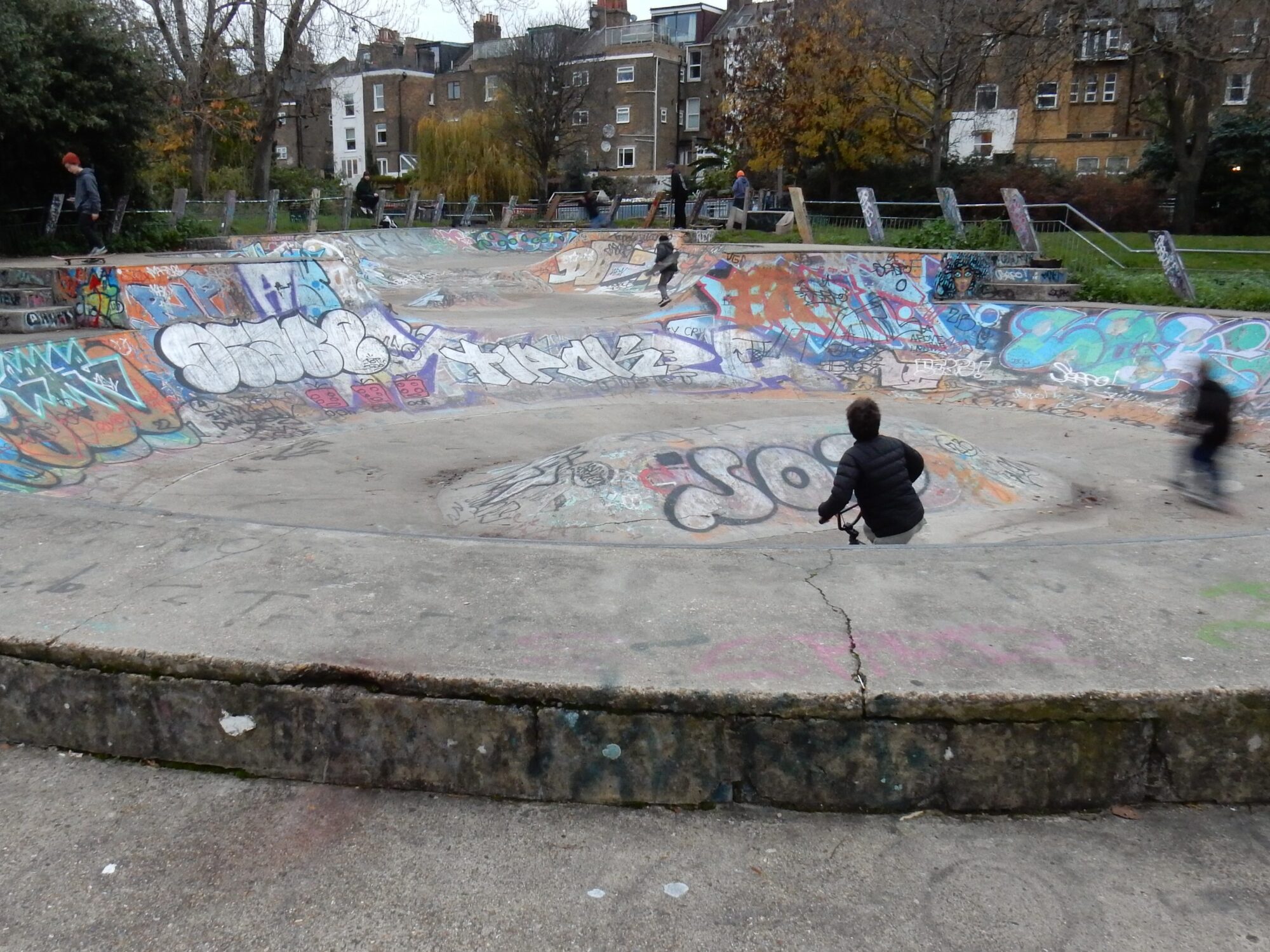
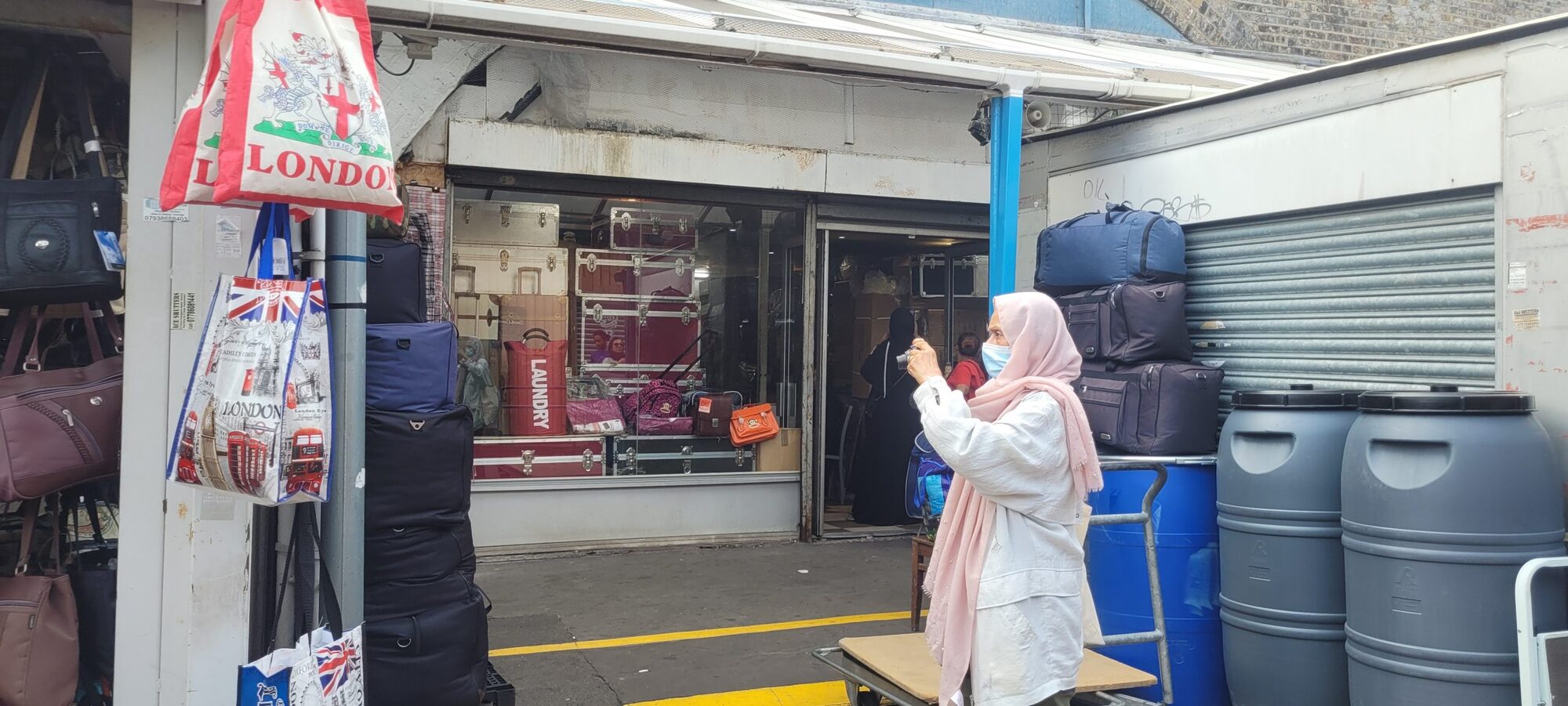
The Photojournalism Hub Calendar 2026 showcasing the incredible work of photojournalists and documentary photographers who have contributed to our mission.
The Photojournalism Hub presents a Live Stream of the 7th Edition of the Photojournalism Nights.
Please join the live stream of the Photojournalist Hub seventh edition of the Photojournalism Nights with an amazing line-up of photographers: Igor Coko, Kirsty Mackay, Paul Iwala.
Igor Coko, photojournalist and street photographer based in Belgrade and editor in chief of Grain photo magazine that showcases street and documentary photography. Igor will be talking about his latest photo book Life in limbo, the experiences of migrants and life inside prisons in Serbia.
Kirsty Mackay, award-winning social documentary photographer, born and raised in Glasgow. She will be presenting The Fish That Never Swam that considers class and discrimination against working-class people. Combining first-person narratives with photographs, it takes Glasgow as a case study, looking at the root causes for the city’s poor health and low life expectancy. This ongoing work will be published as a book in 2021.
Paul Iwala, is a London based photographer. whose work spans for over 20 years covering news, street photography and fashion, which carries no commercial freight, but presents raw and powerful images with a political tow.
The Photojournalism Nights is an event that promotes committed and courageous photojournalism and engages the public to social justice and human rights.
The fourth issue of Wondering about West London? presents photo stories and street photography on Christmas and Winter Holidays with London in full lockdown as […]
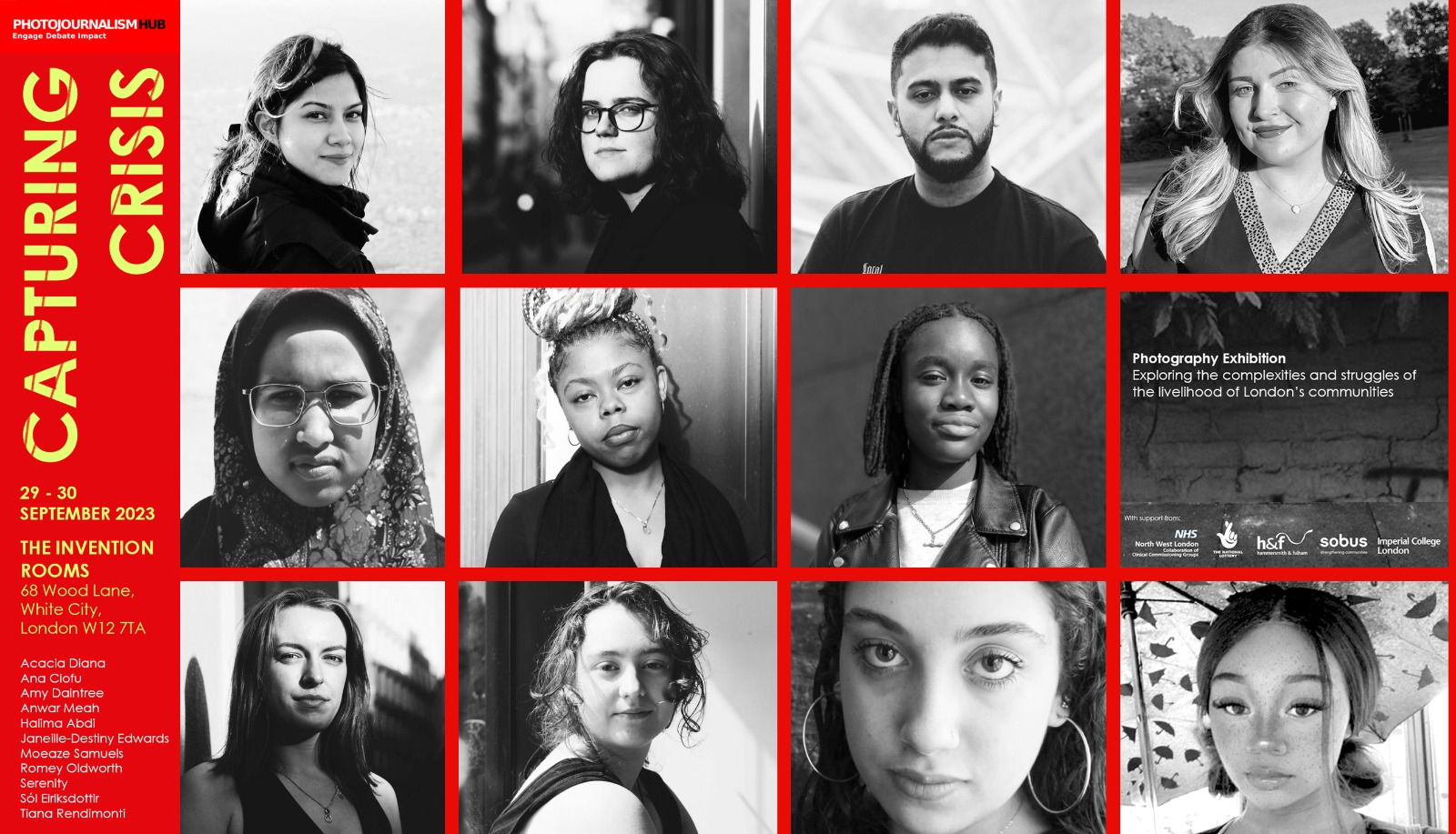
We are incredibly pleased to present the third edition of 'Capturing Crisis' photography and reporting magazine produced by the group of youths of the 'Stories, […]
We are incredibly pleased to present the fourth edition of Capturing Crisis photography and reporting magazine produced by the group of youths of the 'Stories, […]
I am incredibly pleased to present the fifth edition of Capturing Crisis photography and reporting magazine produced by the group of youths of the 'Stories, […]
In this new edition of ‘Capturing Crisis’ youth photography magazine, we present a special edition on a local coffee shop to learn of its championing […]
Photojournalism Hub presents Why shop small business? – the latest edition of documentary photography and writings from our local young and senior participants of our […]
Photojournalism Hub presents What home means to me – the latest edition of documentary photography and writings from our participants of our documentary photography workshops. […]
The Photojournalism Hub is proud to present the latest edition of documentary photography and writings from our workshop participants. This issue focuses on the theme […]
Presenting the latest magazine on Sustainability produced with participants of documentary photography and photojournalism course with the Photojournalism Hub. […]
Claire Thomas is a photographer and photojournalist from Wales, UK, currently based between London and New York. Her photojournalism work focuses on issues relating to global political and military conflicts, human rights, and humanitarian and environmental crises. During her extraordinary career, Claire has produced compelling and timely images and has been extensively covering frontlines battles in ISIS in Iraq.
Q. How did you end up going to Iraq?
In December 2016, I decided to travel to Iraq independently with the goal of focusing on stories related to the military offensive to liberate the city of Mosul and the humanitarian crisis of people displaced by ISIS. Before that, I was based in Greece covering the refugee crisis where I met Kurdish and Iraqi families who had been displaced by ISIS. Hearing their stories, I wanted to better understand the horror that was driving people to flee their homes and risk their lives trying to reach the safety of European shores. As there was a lot of media attention on the war against ISIS in Mosul at the time, I decided to head to Erbil, the capital of the Kurdistan region of Iraq, and an entry point to Mosul.
Q. How long were you there for in total?Will you go back?
My first visit to Iraq was for just 2 weeks, but I returned a few weeks later and ended up living in northern Iraq for two and a half years. I’ve been back for a few short trips since I left in June last year, and I hope to return later this year or next year. Erbil was my home for a long time, and I became very fond of the place and the people, so I think I’ll always go back whenever the opportunity arises. There’s certainly no shortage of stories to cover in the country, and I’m particularly interested to follow the progress of rebuilding the city of Mosul, which was heavily bombed during the battle against ISIS.
Q. This is very traumatic work, what do you do to decompress after a trip like this? How do you look after your mental health while working?
I was lucky to have a great support network in Iraq, among other photographers and journalists, the medics I embedded with in Mosul, and also local friends and fixers. My way of decompressing is simply to talk about the situation, which helps me process my own thoughts and feelings, and I was glad that I had a lot of people I could talk to in Iraq.
I think it’s important to be aware of the emotional impact of doing this kind of work, and also to keep in mind that, as outsiders, it’s our choice to be there and we’re extremely lucky to be able to leave the war zone and go back to the safety of our homes at any time.
Of course, being confronted by violence and death is challenging and disturbing, and even more so is seeing people suffering the terror, pain and loss of war. The images that stick in my mind are of mothers crying over the bodies of their children, of soldiers wailing uncontrollably over a fallen comrade, of proud fathers broken by the loss of their loved ones, and the tearless look of shock on the faces of traumatised children. However, I try to focus my thoughts and energy on the incredible strength and resilience of the survivors and the people who helped them survive.
Q. I’m new to photojournalism – self teaching at the moment. How did you get started and did you go through formal means? And how did you get to work in Iraq? Did you pitch to someone as an independent? Would be great to know how it all works.
I’m also self-taught with no formal training in photojournalism. I studied Politics at University, and after I graduated I spent several years travelling and working overseas. During that time, I developed my interest and skills in photography, and eventually started doing some freelance photography work for my local newspaper in Wales. After a few assignments in Wales I travelled to Palestine where I began producing photo essays about life in the occupied West Bank, which I pitched to several mainstream media outlets.
As a freelancer, I really appreciate having the flexibility and freedom to choose which countries I work in and which stories I cover. Of course, that flexibility comes with the necessity for extreme self-motivation, self-discipline and organisation, as well as the financial burden of paying our own expenses in the hope of selling the work afterwards.
My decision to go to Iraq was one I made independently – I wasn’t sent there by any media outlet. Once I arrived in Erbil, I spoke with a lot of other journalists and fixers to better understand the context and get an idea of stories I could cover that weren’t as widely covered as the military operation in Mosul. In the beginning, I captured the content needed for the story I wanted to cover – photos and interviews – and then sent a pitch with a small sample of images to media outlets. Once editors got to know me and my work, I started to get more commissioned assignments, often working alongside a writer.
It took me a long time to understand how the industry works for freelancers. For me, the most difficult part about being a freelance photojournalist is not the photography or journalism work itself but finding ways to get the attention of editors and my work published. I’m still learning myself, and the best advice I can give is to be persistent and determined, and get to know the publications you want to contribute to.
Clare Thomas www.clairethomasphotography.com https://www.instagram.com/claire_thomas_photography/
In April 2015 I travelled to Ukraine to document the long-lasting implications of Chernobyl’s nuclear disaster for both the environment and the people 30 years after the disaster. The Chernobyl’s accident seems to have been forgotten by society. I wanted to give a voice to the lives of those carrying on with the poisonous legacy of Chernobyl. In my first trip, I visited the 30 km exclusion zone where around 200 people are still living. For my research I interviewed doctors working at the National Institute Cancer Research in Ukraine, NGOs working with victims of Chernobyl and scientists who are studying the DNA modifications both in plants and human beings. I become very interested in remote areas, which are still contaminated by radiation and where people have limited access to hospitals and doctors.
“Life after Chernobyl” portrays life both inside the 30 Km exclusion zone and Narodichi region, 50 km southwest of the nuclear plant. This turned out to be one of the worst hit areas by radiation but only detected five years later. With my collective “Food of war” we are helping to raise awareness of the Chernobyl’s accident through European exhibitions, talks and conferences. We have also collaborated with artists reflecting on the consumption of food in countries where radiation travelled after the 1986’s accident. Life after Chernobyl is an ongoing project that I would like to develop into a book and a short film.
To know more or would like to support this ongoing project, please follow this link:
Natalia, school’s teacher stands by the entrance of Maksimovichy village, where many houses were abandoned after Chernobyl’s disaster.Nastia Natsik with her daughters Iuliana, Madina and Lia in her family house in Khristinovka. Lia, 2 suffers from a brain tumour. Her father,Emil, 37, fled the conflict in Abkhazia (Geogia) when he was eleven, 3 years after Chernobyl’s disaster. Though evacuation was enforced in 1992, many families decided to stay.Tatiana Ignatiuk in her kitchen in Maksimovichy, where she lives with her three children and husband who works in the forest.Anna is holding apples from her tree. She lives in the evacuated village of Copachichi in the 30km exclusion zone of Chernobyl.
Dima, 6 years old is waiting to be seen by Alexander and Daniel, two volunteer doctors from Kiev. About 60% of children in Narodichi region suffer from malnutrition alongside cardiovascular and respiratory diseases. Children are no longer considered victims of Chernobyl. Ignored by the authorities, many of those children rely on local NGOs and international aid organisations for medical treatment.
In this podcast, freelance photojournalist Erica Dezonne is in conversation with Jamie Clark, our podcaster and photographer. Originally from Brazil and based in London, Erica is sharing her fascinating journey into capturing world events, news and stories through the camera lens. Erica’s career sees her working through the fast and challenging world of news for the RAC Group in Campinas, which is one of the biggest media company in the state of São Paulo in Brazil, all the way to reporting on the street of London. Her photography work has gained recognition in various awards finals, including the prestigious Esso final Award in 2011. Erica’s innate curiosity and passion that transpires in her reporting is splendidly summarized in her own words “with my Finnish heritage I had the bravery and courage to leave my comfort zone in Brazil and face what the world is saving for me.”
Podcast by photographer, videographer Jamie Clark, jamiephclark@yahoo.co.uk
HANNAH MORNEMENT
In this podcast, photojournalist and documentary photographer Hannah Mornement is interviewed by Jamie Clark about her photographic work The Road to Moteand her journey as a photographer. Through discussing her long form powerful project The Road to Mote and her personal journey into photojournalism and documentary photography , Hannah shares her working methods and she lets us into the intricacies of working as a photojournalist today. Her passion for humanitarian issues and her years’ long experience of working in challenging environments from Antarctica to Africa has led her to work alongside many international charities and NGO’s documenting complex humanitarian issues. In this podcast, Hannah talks about her photo stories of people relying on food banks in the UK, of children living in orphanages in Eastern Europe, of famine and food security in Africa, as well as discussing her role and the role of photojournalism in documenting social issues today.
Podcast by photographer, videographer Jamie Clark, jamiephclark@yahoo.co.uk
MINI TALKS
The Photojournalism Hub Live Mini Talks: a series of conversations with photojournalists and practitioners on their work and on their experiences to share useful advices and insightful know-how on photography and current topics.
Cinzia D’Ambrosi, founder/director of the Photojournalism Hub is in conversation with Asha Mukanda, activist, writer and executive assistant of the Open Institute in Kenya. The conversation surrounds the impact that the current pandemic is having on the existing issue of health disparities and police brutality in Kenya.
Cinzia D’Ambrosi (Photojournalism Hub) with Asha Mukanda
Photographer and Photojournalism Hub collaborator Carli Adby in conversation with Cinzia D’Ambrosi, founder and director of the Photojournalism Hub discussing ongoing and future engagement programme of the PJH including an ongoing call for photographers and journalists on injustices and inequalities laid bare by Covid-19 and the Photojournalism Nights, an event dedicated solely to photojournalism.
Cinzia D’Ambrosi (Photojournalism Hub) with Carli Adby
Carli Adby from the Photojournalism Hub is in conversation with Suzanne Plunkett from Women Photograph discussing under representation in the photography industry and how we can lift the voices of ourselves and those around us, particularly those who otherwise are overlooked.
In Conversation with Suzanne Plunkett, Women Photograph – 12/06/20
Carli Adby and Suzanne Plunkett
‘Covering conflict in Iraq’ – in conversation with Claire Thomas – 29/05/20
Cinzia D’Ambrosi (Photojournalism Hub) and Claire Thomas
‘Being a photojournalist on the frontlines’ – in conversation with Felipe Paiva – 16/05/20
Cinzia D’Ambrosi (Photojournalism Hub) with Felipe Paiva
Cinzia D’Ambrosi, founder and director of the Photojournalism Hub introduces an ongoing series of mini Talks, live conversations on Insta with various practitioners to share useful and insightful topics.
Photography Workshops for the third Sector and Companies
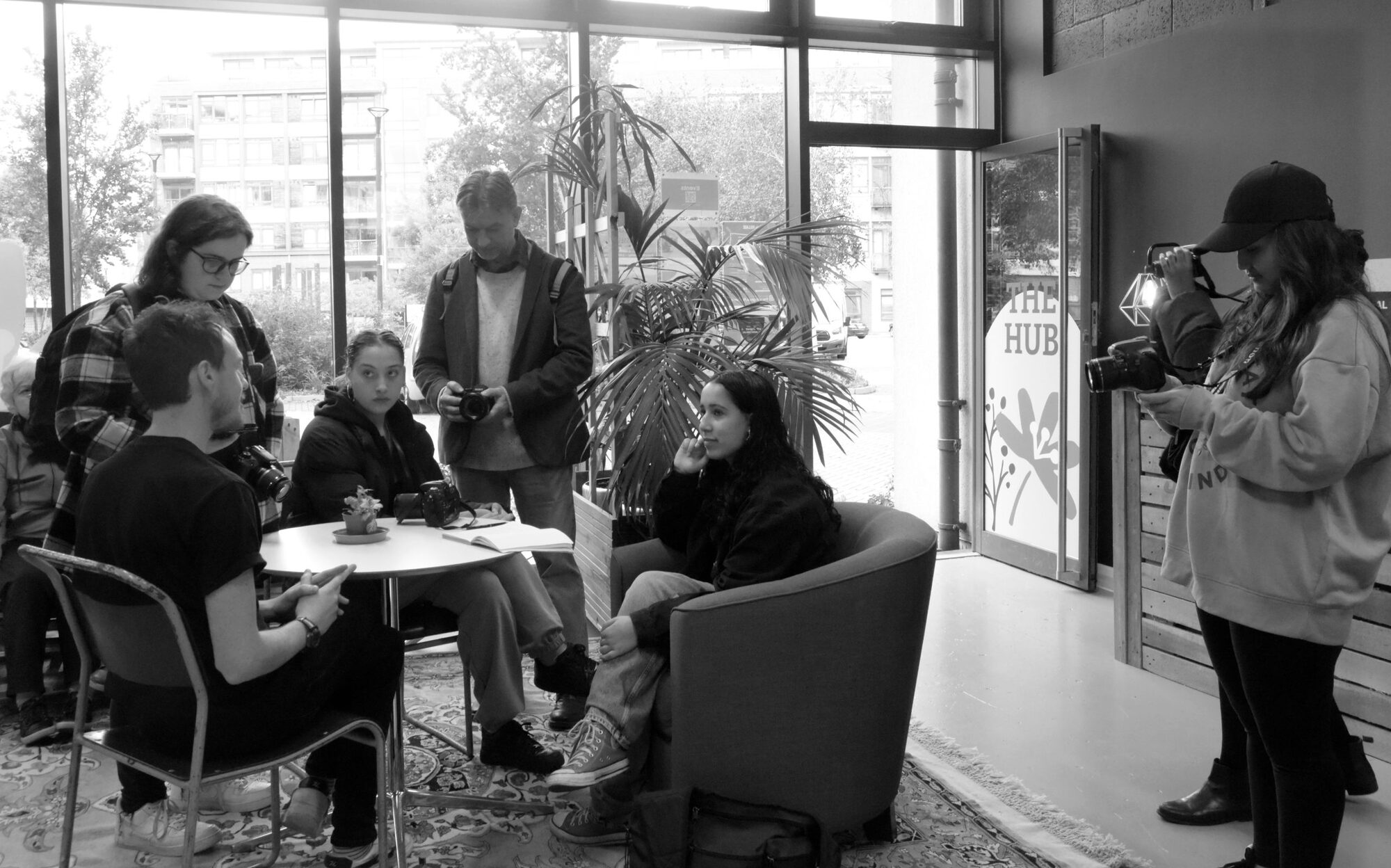
We offer bespoke Documentary Photo Storytelling Workshops. Our workshops offer learning in documentary photography practice which adds value in reporting, and visually tell a story. Our workshops bring people together and have been noted to strengthen the relationships within a team or with the communities they serve. Contact us with your needs, or asks us for ideas on running a bespoke photography workshop.