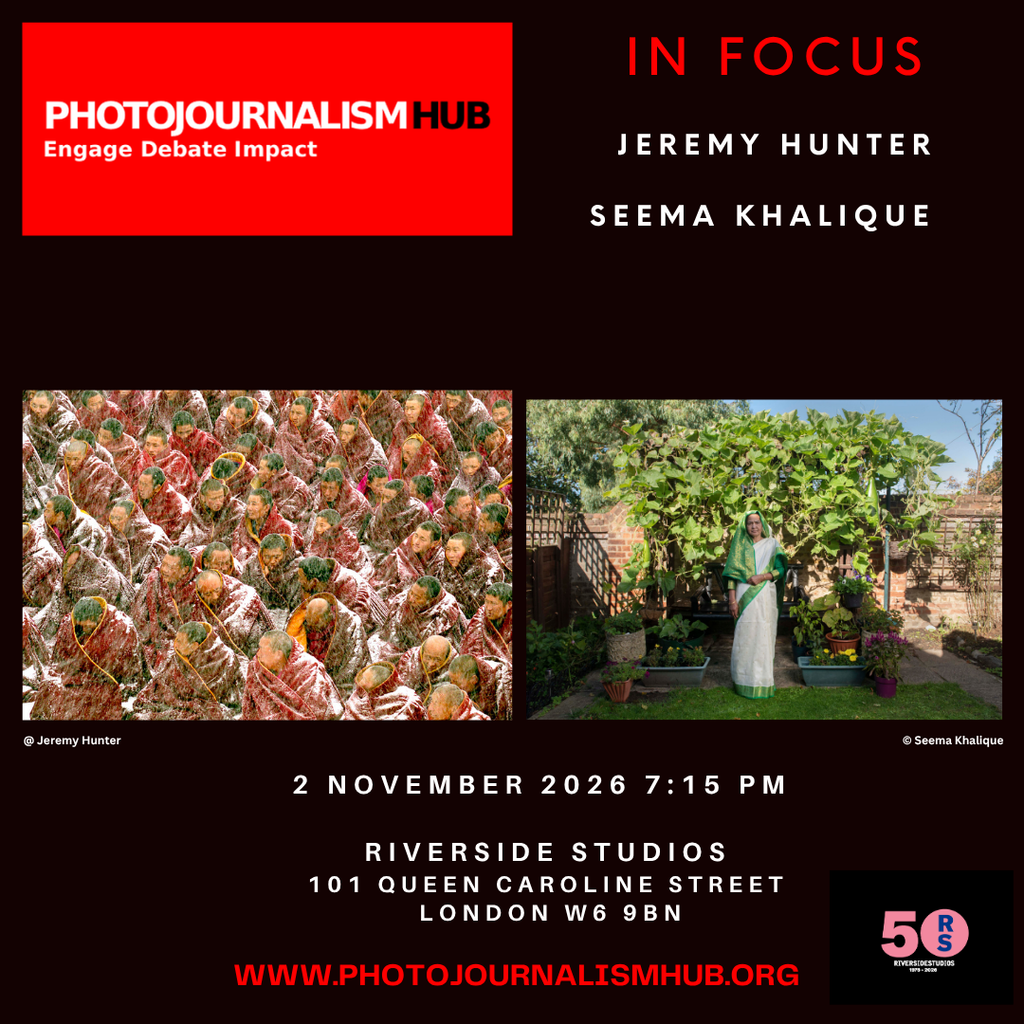
In Focus: Jeremy Hunter & Seema Khalique
To join us: Here


In this edition of IN FOCUS, Photojournalism Hub brings together two photographers exploring very different perspectives on culture, identity and belonging. Jeremy Hunter draws on decades of international reporting to document rituals, traditions and societies, including his extensive work in North Korea. Seema Khalique explores memory, migration and identity through photography, moving image and personal histories, giving visibility to stories that have helped shape multicultural Britain.


Jeremy Hunter
is a UNESCO award-winning British investigative photojournalist, television producer, writer and broadcaster whose career has taken him across more than 70 countries and five continents.
Beginning his career in advertising and television, Jeremy subsequently moved into broadcast journalism, reporting from politically sensitive and historically significant locations, including Lebanon during the civil war, India following the assassination of Indira Gandhi, and Portugal during its transition to democracy. He later worked with major British broadcasters, including the BBC and Granada Television.

His photography has focused particularly on festivals, rituals, religious traditions and culturally distinctive communities. His work has received UNESCO/HPA recognition, including a Documentary Award in 2011 for his work in Nagaland, alongside awards for his photography from the Sunday Telegraph, Daily Telegraph and BBC News.
Jeremy is also known for his extensive photographic work in North Korea, where he documented the country’s monumental Arirang performance, propaganda and aspects of everyday life. His illustrated presentation, North Korea Exposed – Daily Life in the Hermit Kingdom, has been delivered internationally to audiences at cultural institutions, universities and venues including the Palace of Westminster, UNESCO, NATO and the Royal Geographical Society.

His books include Sacred Festivals, published in English, French and German, and his photographs have appeared in publications including The Sunday Times, The Guardian, GEO, Stern and Condé Nast Traveller. His work has been exhibited internationally, including at Paris Photo and the Annenberg Space for Photography in Los Angeles.
Drawing on decades of first-hand reporting and photographic documentation, Jeremy uses visual storytelling to explore cultural identity, religion, politics, propaganda and the ways societies represent themselves.

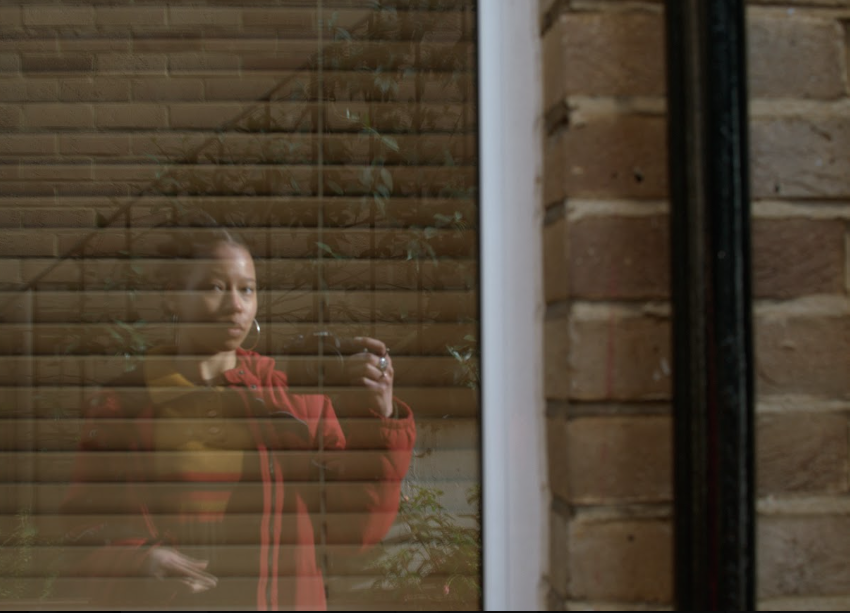
Seema Khalique is a photography and moving-image artist, curator and producer whose practice explores memory, identity and personal history through documentary and portraiture. Her socially engaged practice centres around marginalised communities, using creative practices to give voice to their stories and develop new forms of community engagement.

Khalique curated About Then, a group exhibition for the Stephen Lawrence Gallery which was reviewed by the British Journal of Photography. She was also curator for Migration Quest, an immersive and interactive art exhibition at the Kobi Nazrul Centre. Khalique is Artist and curator of Londoni Memoirs which exhibited at Four Corner.
Khalique is currently exhibiting at Brighton Photo Fringe 2026. She is a Photoworks Photography Champion for Medway and a Board Member at Four Corners. 

Londoni Memoirs is a collection of portraits, curated ephemera, artifacts, heirlooms and video-interviews of 12 Bangladeshi migrants from 1950s-70s, documenting their exodus from genocide during the 1971 liberation war and watching their motherland’s independence from afar while making UK their home. The project grew from Seema’s own search for a family history that had largely remained undocumented, especially of her late father’s early life in the UK. He arrived in Britain in 1956, followed by her mother in 1973 after the Bangladesh Liberation War, both in search of a better life. At the heart of Londoni Memoirs is the experience of a generation caught between two defining moments: escaping genocide during the Bangladesh Liberation War and establishing a new life in an unfamiliar foreign country. The project considers how these experiences helped shape not only British Bangladeshi identity, but also the country as a whole through the generations born in Britain afterwards.
Londoni Memoirs seeks to honour a generation whose contribution was pivotal in the development of the multicultural society that exists in the UK today.

IN FOCUS is produced by the Photojournalism Hub in collaboration with Riverside Studios to present compelling, thought-provoking, independent and courageous photo storytelling.
Knowing You

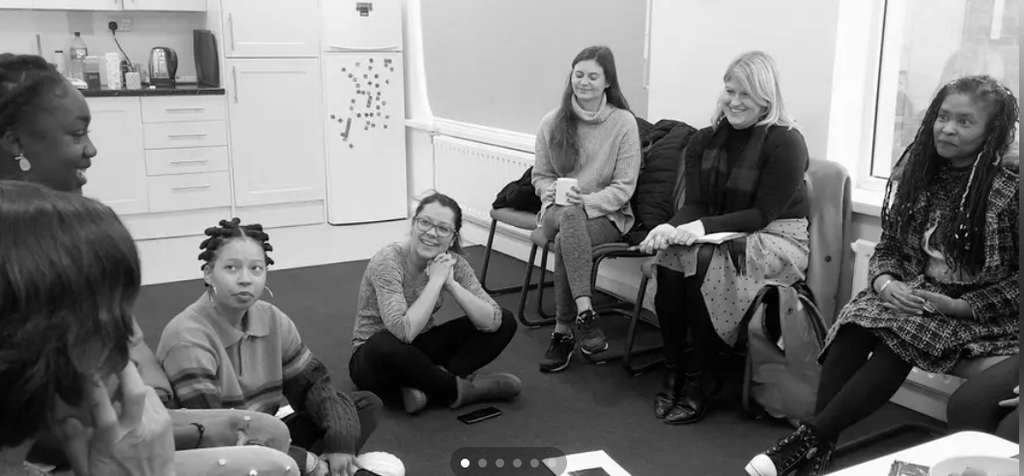
A free, participatory photography and videography project for refugees and asylum seekers living in Hammersmith & Fulham.

Are you a refugee, asylum seeker in Hammersmith & Fulham?
Would you like to learn photography and video, meet new people and explore creative ways of telling stories?

Join us: Here

Welcome to Knowing You, a free, hands-on documentary photography and videography project where you can learn from professional photojournalists, develop your creative skills, build a photography portfolio and tell stories that matter to you and your community.
Whether you are interested in photography, video, storytelling, or simply want to try something new, the project gives you the skills, support and freedom to explore your ideas and bring your unique perspective to life.

What the Project Includes

• Practical photography and videography workshops
• Learning photography, portraiture, video and documentary storytelling
• Building your own photography portfolio
• Learning from professional photographers and photojournalists
• Visits to galleries, exhibitions and other inspiring places
• Meeting and connecting with other people in the community
• The opportunity to take part in a public photography exhibition

No previous photography experience is needed. You do not need expensive equipment or your own camera.

The project is completely free, thanks to the support of Hammersmith & Fulham Council.

How to join:
Book your place through Eventbrite:
https://www.eventbrite.co.uk/e/knowing-you-tickets-1993594498812?aff=
or contact us directly:
Mob: 07960 940766
admin@photojournalismhub.org


Knowing You is supported by London Hammersmith & Fulham Council.


Our Habitat

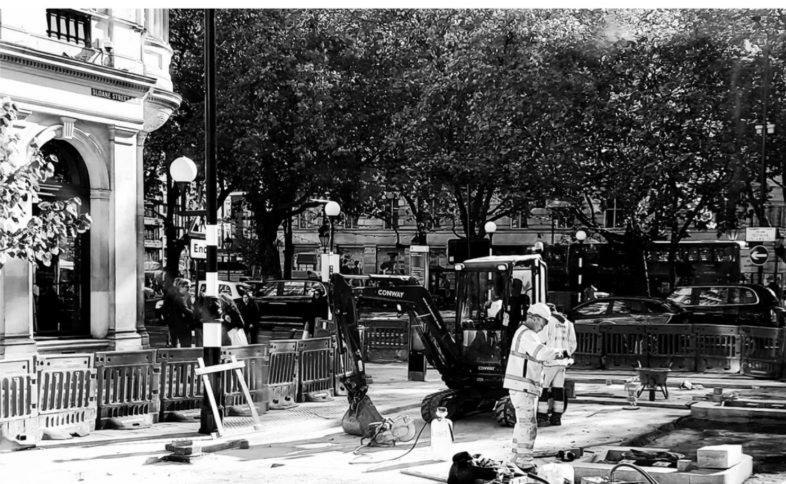
Sloane Square – contractors laying down new paving stones ©Maria Speller

We are delighted to present the first edition of Local Lens Magazine, Our Habitat. This magazine is the result of a community-led project in which residents of London Hammersmith & Fulham borough became the reporters, photographers and visual storytellers of their own neighbourhood.

Through training, mentoring and collaborative editorial support, participants researched, photographed and wrote stories that matter to them, demonstrating that powerful journalism can be created by local people with lived experience.

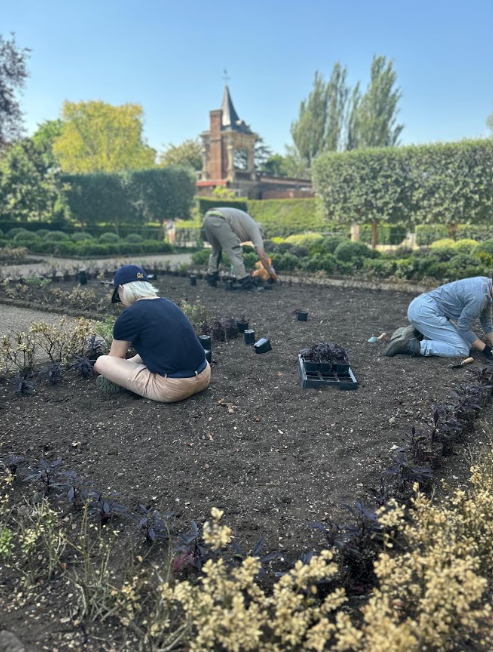
People maintaining and planting in a historic garden, volunteering to preserve a
shared green space. West London, May,2026 © Daniela Guarino


The theme of this first issue, Our Habitat, emerged naturally from the participants’ interests. Their stories explore the environment in its broadest sense from green spaces and biodiversity to the places, communities and local issues that shape everyday life.

This is an incredibly rich first edition of the magazine, which you can read online directly on our website or pick up locally at the library, NHG offices in W3, and selected shops on Askew Road.

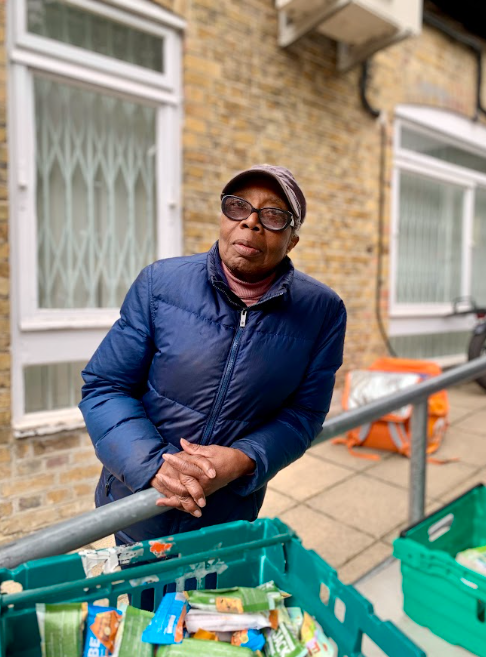
Place of our Sanctuary Food Bank, 84 Lillie Road, Fulham, London, SW6 1TL,
Phone: +442073815366 (ENGLISH), +447958232863 (ESPAÑOL)
Email: Admin@placeofsanctuary.org ©Michelle Conway


Local Lens is part of our wider vision to create a community newsroom, bringing together local reporting, documentary photography and visual storytelling produced by residents. Through this initiative, we are developing a platform for photo stories which focus on stories that matter to residents, training and supporting local residents, photographers and journalists, amplifying underrepresented voices, providing a space for connection and well-being, and investing in citizen-led photojournalism.

If you would like to get involved, we would love to hear from you! No previous experience is necessary. We provide the training, mentoring and editorial support needed to help participants research, report, write and photograph stories to a high professional standard. We warmly welcome new participants to join us.

To book a place and be involved, join us here: https://www.eventbrite.co.uk/e/local-lenses-tickets-1982170924594?aff=

IN FOCUS: Adam Docker and Igor Chekachkov

To book a place: HERE

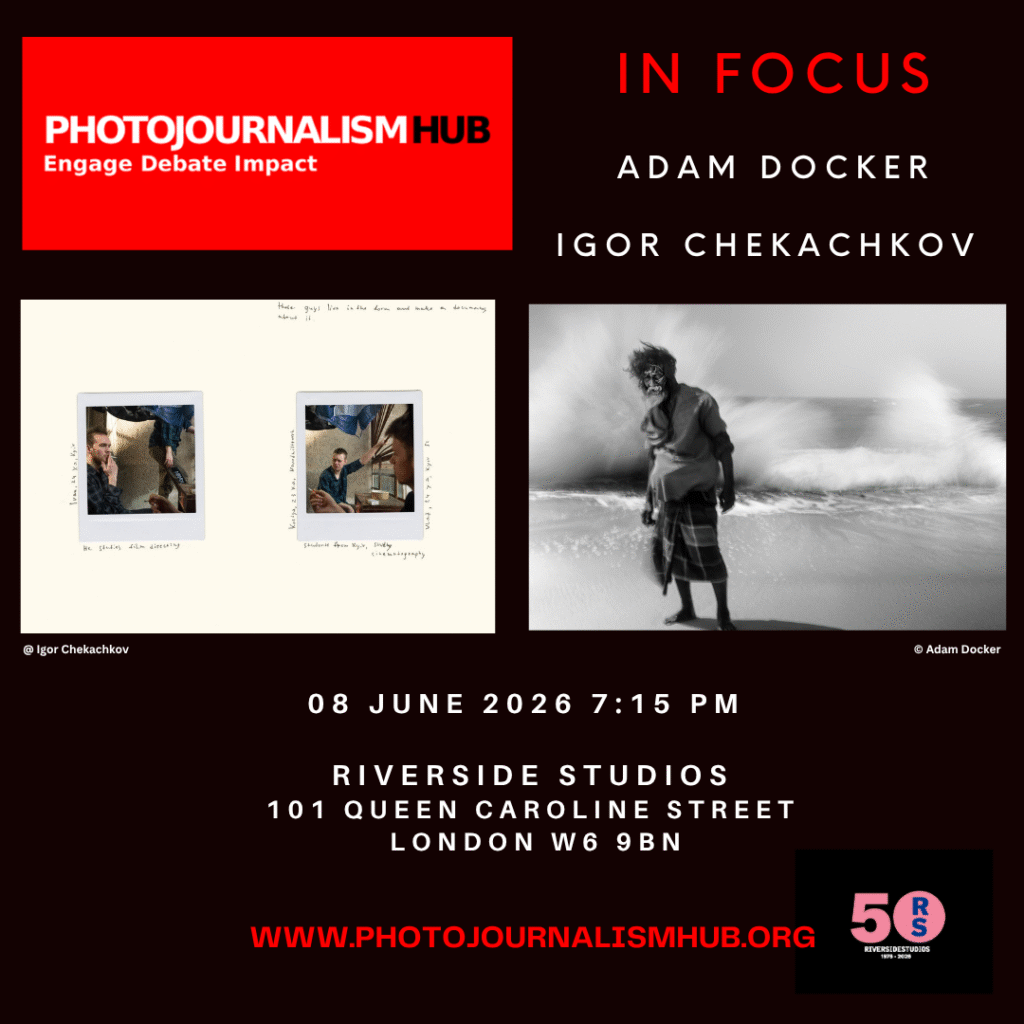
This June, as part of Refugee Week, IN FOCUS brings together two photographers whose work explores what it means to endure displacement, uncertainty, and survival and the human stories that exist beyond the headlines.
Join us at In FOCUS with Igor Chekachkov and Adam Docker, two photographers documenting lives shaped by conflict, movement, and resilience from deeply personal and unexpected perspectives. Through his powerful project 100 Days of War, Igor documents the emotional reality of war in Ukraine, capturing fragments of daily life, fear, tenderness, and survival during moments of upheaval. His images move beyond reportage, revealing the psychological weight of living through conflict and the fragile humanity that persists within it. Alongside this work, Adam Docker will present photographs made while travelling through refugee camps in Kenya with veterinary teams working on the frontlines of humanitarian aid. His work uncovers a rarely seen aspect of displacement: the vital relationship between people and animals in refugee communities, and how protecting livestock and pets can mean protecting livelihoods, health, dignity, and hope.
Though working in different environments, both photographers ask urgent questions about care, survival, and connection in times of crisis. Together, their work reminds us that stories of displacement are never abstract, they are intimate, layered, and deeply human.

Adam Docker – is a photographer and cinematographer working across fine art, documentary, and portrait. His work is shaped by a cinematic eye, grounded in instinct, light, and human connection. Based in london but shaped by journeys through more than 90 countries, his photography captures striking human stories, intimate moments, and evocative landscapes from around the world.
For Adam Docker, photography is not merely a visual medium; it is a profound exploration of humanity and culture. his images are a testament to his understanding of composition, storytelling and emotion. Adam grew up between London and Rome, deeply influenced by his italian roots and a large extended family. His father was tragically shot dead when Adam was just ten years old. although they never met, his father’s legacy left a deep imprint and instilled in adam a deep sense of resilience, justice, and identity. these themes form the foundation of his creative work. Fuelled by a childlike curiosity and an insatiable desire for knowledge, Adam has always been fascinated by other cultures, histories, and the ever-changing landscapes that unfold beyond a window. this constant sense of wonder drives him to seek out the unfamiliar, to observe, to listen, and to translate what he discovers into imagery that feels both intimate and universal. “I want to catch something in the act and see how it becomes something else.”
Adam is a two-time winner of the British Journal of Photography’s Portrait of Britain award (2021 and 2025), and recipient of the Portrait of Humanity award (2021 and 2023). His work has also been recognised by LensCulture and The Independent Photographer.

Igor Chekachkov – When Russia invaded Ukraine in February 2022, I was forced to leave my hometown, Kharkiv and go to the West of the country. From the very first day, I began to put together photographs and notes in a small notebook, creating a personal record of war and displacement from the inside. What originally stemmed from an intuitive desire to document my experience of war and uncertainty, developed into something broader: a reflection on the notions of home, identity, and displacement. Whilst the work literally describes the sudden evacuation of my family and the consequences of a brutal Russian attack, it also seeks to question the language of photography itself, and its limitations in documenting, representing and affecting conflict.
This deeply personal visual chronicle became 100 Days of War, a project that explores the tension between memory and documentation, the limits of photographic truth, and the search for meaning in the face of destruction

IN FOCUS is presented by the Photojournalism Hub in collaboration with  Riverside Studios, bringing to the public compelling and thought-provoking contemporary documentary photography and photojournalism.

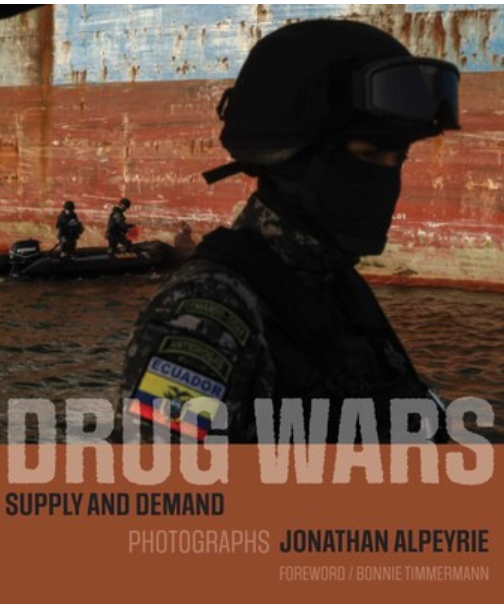
Drug Wars by Jonathan Alpeyrie

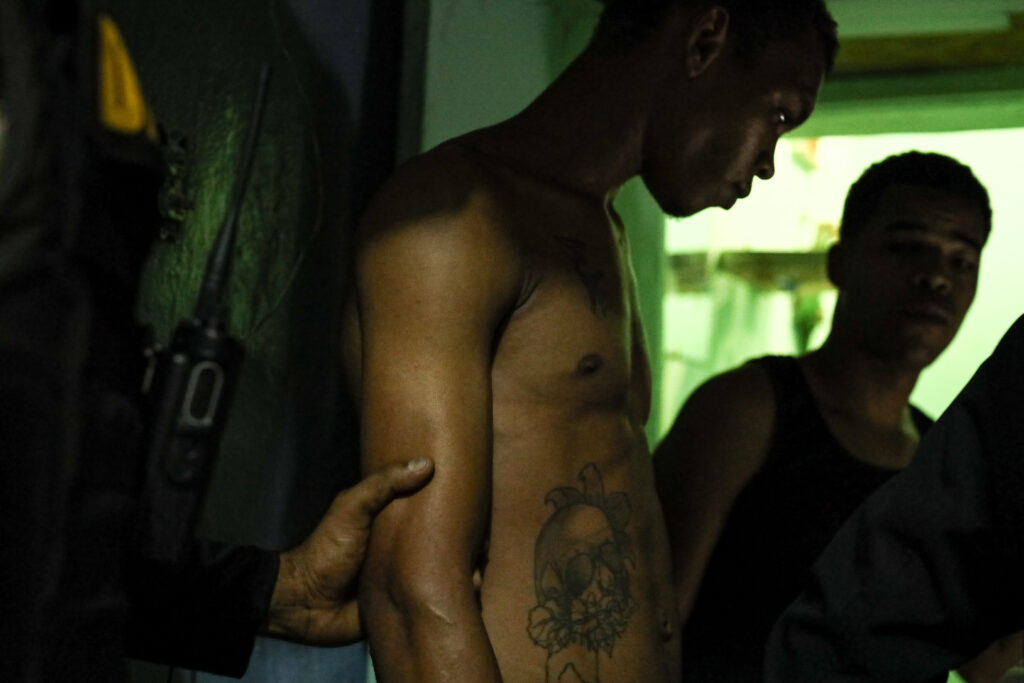
In this interview with Cinzia D’Ambrosi, founder and director of the Photojournalism Hub, photojournalist Jonathan Alpeyrie reflects on his years documenting some of the world’s most dangerous conflicts and his latest investigation into the drug wars. Known for his immersive, on-the-ground approach and his ability to reveal the human stories behind global struggles, Alpeyrie discusses why he felt compelled to take on one of the most dangerous and underreported subjects in contemporary journalism. The interview offers a rare insight into the risks and deep commitment that underpin Alpeyrie’s work as he brings visibility to stories often hidden from the public eye.


The drug trade is a notoriously difficult and dangerous subject to cover, with limited access and huge personal risk. What drew you to this topic, and why did you feel it was important to take on, despite the danger?

The drug trade is an incredibly difficult and dangerous subject to cover — access is limited, the environment is unpredictable, and the personal risks are significant — but I felt compelled to take it on. What drew me to this topic was the hidden human cost behind the headlines: the communities trapped between cartels and law enforcement, the young men pushed into cycles of violence, and the corruption that quietly shapes daily life. Having spent much of my career documenting conflict, I saw the drug war as a global struggle that is often misunderstood or overlooked, yet profoundly consequential. Despite the danger, I believed it was essential to capture these realities from the ground, to show people what this conflict truly looks like and how deeply it affects those who live within it.

It is also not a subject that is widely published or visually documented, at least not at this level of intimacy. Did that sense of underexposure influence your decision to pursue it? 

the lack of visual documentation was a major factor in my decision to pursue this project. For a conflict as far-reaching and destructive as the drug war, I’ve always been struck by how little intimate, on-the-ground imagery exists. Most coverage stays at the surface, focusing on sensational moments rather than the human reality beneath them. That sense of underexposure pushed me to go deeper, to gain access to places and people rarely seen, and to document the everyday rhythms of a war that is often invisible to the outside world. I felt there was a gap that needed to be filled — not for shock value, but to give context, nuance, and humanity to a subject that affects millions yet remains largely hidden.

Your career has taken you into war zones and conflict areas around the world, including your experience of captivity during the Syrian Civil War. What drives you to choose these extremely challenging, often high-risk stories?

What drives me toward extremely challenging and high-risk stories is a combination of curiosity, responsibility, and a belief that certain realities demand to be documented, no matter the difficulty. Throughout my career — whether covering conventional wars or navigating the criminal conflicts of the drug trade — I’ve been drawn to places where the human experience is laid bare. My captivity in Syria only deepened that conviction. It reminded me how fragile life is, but also how important it is to shed light on the people living through these circumstances every day, without the option to leave. I choose these stories because they matter, because they shape the world in ways most people never see, and because I feel a duty to bring those unseen truths to the forefront with honesty and respect.

Do you see a thread that connects your past conflict coverage with this investigation into the drug wars? Is there a continuity in the types of human conflict you are drawn to document?

You are known for deeply immersing yourself in the environments you photograph. What role does immersion play in your work, and how does it shape the stories you can tell?

Yes, there is absolutely a thread connecting my past conflict coverage with my work on the drug wars. Whether I’m documenting a front line in a conventional war or following law-enforcement units and criminal groups in the midst of the drug trade, I’m ultimately drawn to the same fundamental human dynamics: power, fear, survival, and the way ordinary people are caught in forces far bigger than themselves. The drug war may not look like a traditional battlefield, but its impact is just as devastating and its structures of violence are just as complex. For me, the continuity lies in exploring how societies fracture under pressure, how individuals navigate danger, and how these conflicts shape communities in lasting ways. The settings change, but the human stories — the ones that reveal resilience, suffering, and moral ambiguity — are what consistently pull me in.

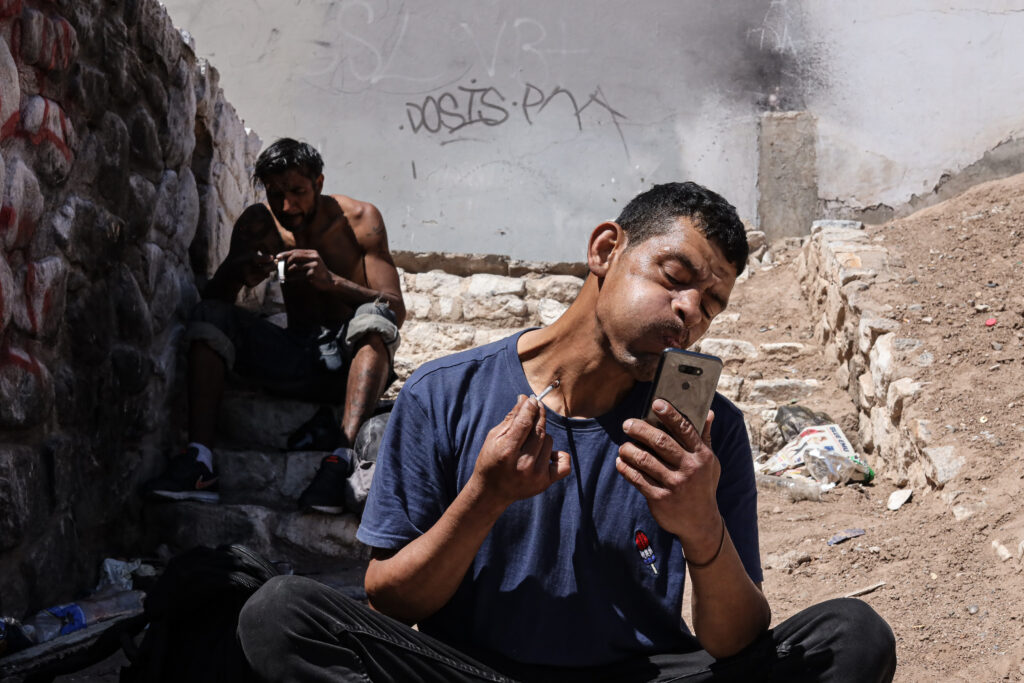
With the ongoing drug war tearing apart Mexico, it’s Northern border with the USA has been for decades now a strategic location in order to pass drugs and migrants into the USA, making the area a highly lucrative spot in Mexicali, Baja California , Mexico, March 28, 2023. In recent years, Mexico has seen an intense rise in drug consumption within its population group, which is a new phenomenon as Mexicans were not known for drug use. Photographer: Jonathan Alpeyrie

To capture what you did for this book, you clearly needed extraordinary levels of access. How did you build trust, navigate hostile environments, and gain proximity to people and places that are usually closed off to outsiders?

Gaining the level of access required for this book was a slow, deliberate process built on trust, patience, and a deep respect for the people allowing me into their world. I’ve spent more than two decades working in hostile environments, and over time I’ve learned that the only real currency in these situations is credibility. I approach everyone — whether law-enforcement officers, community members, or individuals connected to the drug trade — with honesty about who I am, what I’m doing, and why I’m there. I never rush access, and I never pretend to understand their reality better than they do. Bit by bit, that openness creates space for genuine relationships.
Navigating dangerous environments requires vigilance, humility, and a willingness to disappear into the background when necessary. I make myself unobtrusive, follow local rhythms, and rely heavily on the trust of people who know the terrain far better than I ever could. In many cases, it was the respect I showed for their work and their risks that allowed me to get close to situations normally closed off to outsiders. Ultimately, the access came from demonstrating that I was there to observe truthfully and responsibly — not to sensationalize, but to document a world most people never see.

Was there a particular encounter or story from this project that stayed with you?

One encounter that has stayed with me was a long night spent with a small group of local residents who lived directly between rival criminal factions. They weren’t police, traffickers, or soldiers — just ordinary people trying to survive in the middle of a conflict that had nothing to do with them. Listening to them talk about their routines, their fears, and the small strategies they used to keep their families safe was incredibly powerful. It reminded me that behind every headline or statistic, there are real lives shaped by forces they can’t control. That night underscored why I took on this project in the first place: to show that the drug war isn’t an abstract issue, but a daily reality for countless people whose stories rarely make it into the public eye. That human element stayed with me long after I left.

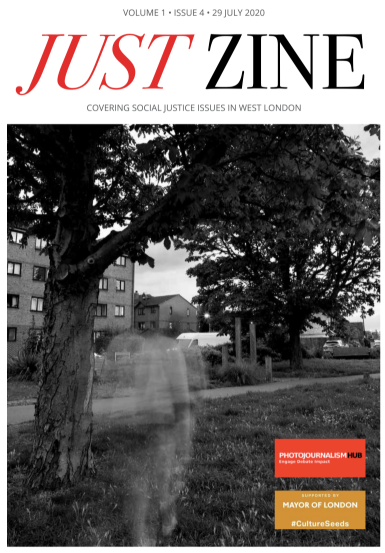
Just Zine

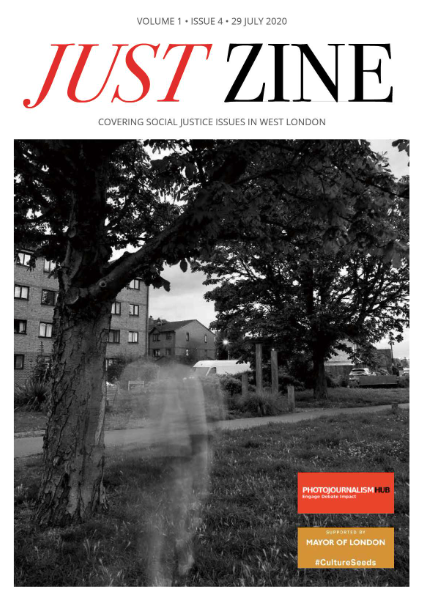
In this issue of ‘Just Zine’, we focus on domestic abuse, a deeply important and urgent issue affecting countless lives. The Covid-19 global outbreak and subsequent lockdown measures have left many women and men in vulnerable situations, some in dire need of support yet unable to reach out or be reached. Understanding the scale of this crisis continues to challenge governments, charities, and communities alike.
Choosing to focus on domestic abuse was not an easy editorial decision.

The issue is complex, with many forms and dimensions of violence and control. As an editorial team, we do not claim to have all the answers, nor the ability to cover every aspect. However, through this issue, we offer a space for reflection, awareness, and empathy. Recognising and understanding the scale of this problem is itself a vital step forward. This issue of Just Zine stands as a remarkable testament to the commitment, sensitivity, and talent of our young team. Among its diverse and powerful content, you will find articles and photo stories exploring honour-based abuse, and experiences of both male and female survivors of violence. We also feature interviews with Marco Groves, CEO of the National Centre for Domestic Abuse, and poet Sir Troy Cabida.

The visual work in this issue spans from compelling photography of the Trans Rights protests in London to the deeply moving photo story “Missed Opportunities,” capturing a chance encounter with a victim of abuse. Additionally, we include children’s experiences of lockdown, creatively presented by two of our youngest contributors. Through their words and images, the contributors of Just Zine continue to raise awareness, spark dialogue, and inspire change.

To purchase a printed copy: HERE

Proceeds from the sale of the Photojournalism Hub 2026 Just Zine will fund bursaries for portfolio reviews for young disadvantaged photographers and a grant supporting the development of an emerging photographer’s photojournalism project.

LENS ON A CENTURY

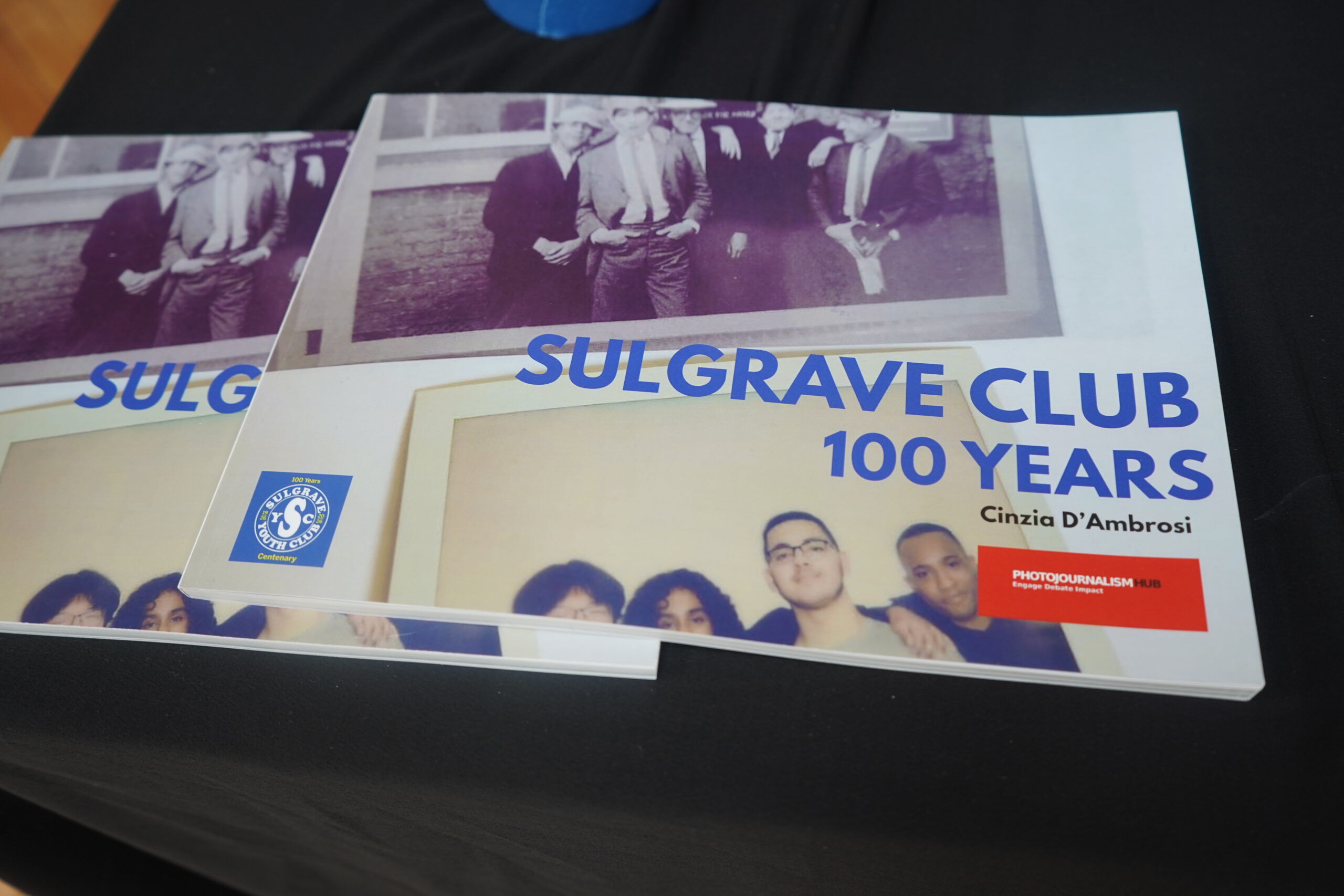
The Photojournalism Hub in partnership with the Sulgrave Youth Club is offering a unique free documentary photography and photojournalism course for young people as part of the celebrations marking Sulgrave Youth Club’s 100th anniversary.
The project is free for young people to join and it is part of the celebrations leading up to the 100th anniversary of the Sulgrave Youth Club.

We are looking for passionate local young people aged 16–30 who dream of building a career in media or the creative industries and want to gain hands-on experience in documentary photography, video, and sound recording.

The programme unfolds in three dynamic phases, offering

– Practical training in documentary photography and visual storytelling
– One-to-one mentorship
– Specialist sessions in exhibition curation and public presentation

Participants will be offered the opportunity to see their work published and showcased online, in print, and at the Sulgrave’s Centenary Exhibition!

By the end of the course, participants will have developed a strong portfolio, professional experience, and an enhanced CV opening doors to exciting pathways in photography, journalism, and the wider creative sector.

To book a place: HERE

November – January:
Photography and Video Workshops

January – June:
One to one mentorship with project review and presentation
Curatorial workshop (Date to be confirmed)

June – August
Exhibition and post exhibition involvement in the various aspects learning how to present and manage an exhibition. There will also be opportunities to be hired as photographers during the three days Sulgrave Centenary event in June 2026.

Facilitators
Workshops will be delivered by Cinzia D’Ambrosi, founder and director of Photojournalism Hub and an experienced photojournalist, with support from guest photographers and video professionals.

Why join?
This is your chance to gain professional level experience, build your creative skills, and be part of a large public event.

To join:
Email: admin@photojournalismhub.org
or https://www.eventbrite.co.uk/e/lens-on-a-century-tickets-1719811405209

The project is kindly supported by the King Charles III Coronation Youth Fund:


Shadow Photography Project Coordinator ‘Lens on a Century’

Project:  Lens on a Century – Documentary Photography Workshops & Exhibition
Organisation: Photojournalism Hub
Location: Sulgrave Youth Club, 287 Goldhawk Rd, London W12 8EULondon
Rate: £13 per hour
Eligibility: Young people aged 18–25
Contract: Freelance, project-based (flexible hours)

About the Role
We are seeking a motivated young person to join the Photojournalism Hub as a Shadow Project Coordinator. This is a learning-focused role designed to support the delivery of ‘Lens on a Century’ photojournalism and documentary photography project, which includes documentary photography workshops and a public exhibition celebrating the Sulgrave Youth Club’s 100-year history and community impact. The successful candidate will shadow the Project Lead (Cinzia D’Ambrosi) and gain hands-on experience in coordinating and supporting a community-based photography project. 
This role is particularly suitable for someone interested in photography, community engagement, or cultural production, and who would benefit from close mentoring and practical experience.

Key Responsibilities
Under guidance and supervision, the Shadow Project Coordinator will support:
The planning and delivery of documentary photography workshops
Assisting in coordinating activities with the participants of Lens on a Century project.
Basic project administration (emails, notes, timelines, documentation)
Assisting with evaluation and reflective learning from the project
Supporting exhibition preparation

What You will Gain
Direct mentoring from an experienced documentary photographer and project director
Practical experience in delivering a community-focused cultural project
Insight into exhibition production and public engagement
Skills in coordination, communication, and arts project delivery
A supportive environment that values lived experience, creativity, and learning

Who We are Looking For
Aged 18–25
Based in Hammersmith & Fulham
Interest in photography, arts or community projects
Good communication skills and a willingness to learn
Reliable, organised

Desirable
An interest in documentary photography or visual storytellingLived experience of barriers to access in arts, culture, or educationWe particularly encourage applications from young people who are underrepresented in the cultural sector.

Support & Accessibility
We are committed to making this role accessible. Adjustments and support can be discussed to ensure the role is inclusive and responsive to individual needs.

How to Apply
To apply, please email us at admin@photojournalismhub.org with:
Your name, age, and your London postcode.
A few lines telling us why you would like to apply for this role and a CV.

We are much more interested in your interest, and motivation than in formal experience. There is no requirement to have worked on similar projects before.

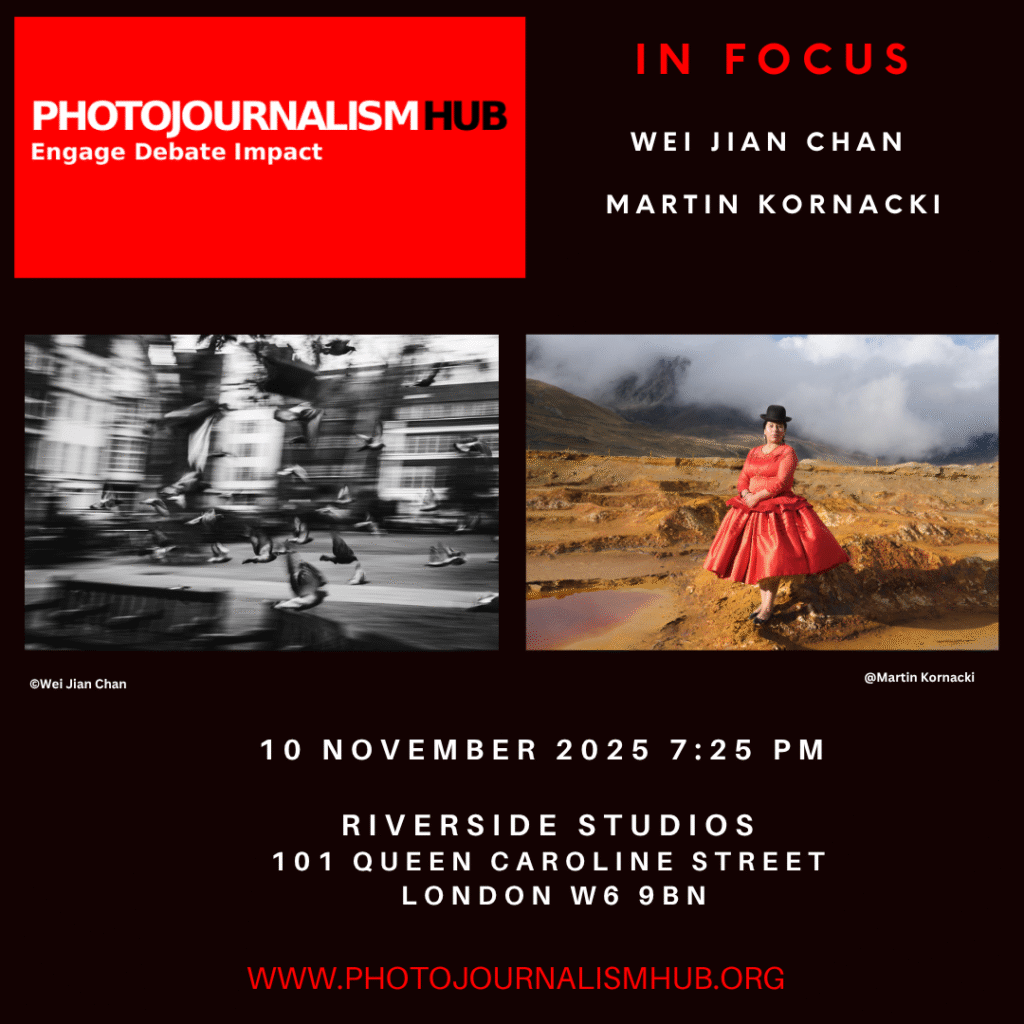
IN FOCUS: Marcin Kornacki and Wei Jian Chan


To Book a place: HERE

This edition of IN FOCUS brings together two photographers whose practices, while distinct in subject and style, both explore how history, memory, and identity shape lived experience. Marcin Kornacki’s long-term documentary projects in Haiti and Bolivia investigate the legacies of political violence and the endurance of communities in unstable landscapes. In contrast, Wei Jian Chan’s Journey to the West reflects on the personal journey of migration, using the formal language of street photography to evoke dislocation and belonging. Together, their presentations offer powerful insights into working independently in challenging environments, and into photography’s ability to bridge the political and the personal.

Marcin Kornacki
is a London-based documentary photographer and UAL Photojournalism and Documentary Photography MA graduate whose work explores memory, landscape, and the marks of collective history. His practice draws stories to the surface through close attention to place and the unpredictability of encounter. His current projects focus on sites where political violence and colonial legacies remain alive in land and memory.
His ongoing work in Haiti documents its capital Port-au-Prince as it descended into gang control, tracing the layered aftermath of revolution, foreign intervention, and daily survival, documenting both the gangs terrorising the city as well as the people enduring the conflict.
In Bolivia, he photographs the mining communities around La Paz, focusing on Milluni, site of a government-led miners’ massacre in 1965, examining how resistance and political narratives endure and develop across generations.  Grounded in sustained fieldwork and research, Martin’s photography connects personal testimony with broader historical forces. His images invite reflection on how memory is shaped, how trauma is carried, and how communities protect identity in the face of erasure.
His talk aims to focus on the practical aspects of working independently with little training and no official support in conflict zones and politically unstable regions, reflecting in particular on the mistakes he has made, and the lessons he has learnt during his most recent work in Haiti and Bolivia. 

Wei Jian Chan (b.1991) is a Singaporean-born photographer based in London, whose work seeks to find beauty in the chaos of modern life.  Wei Jian first picked up a camera at the age of 14 while growing up in Singapore. Over the years, as he moved to Oxford to attend university and to London for work, the camera has been his constant companion. In his time behind the camera, photography has grown from a pastime into a source of inspiration and a passport to new experiences.  Working primarily in black-and-white, Wei Jian utilises both traditional wet darkroom processes and modern digital techniques in his work. His work frequently incorporates elements of geometry, architecture, and motion.
Wei Jian’s photography has been exhibited in various locations in the UK and Europe, and has been acquired to form part of the permanent collection of the Kiyosato Museum of Photographic Art. His work has also been featured by numerous outlets, including The Guardian, Deutsche Welle and National Geographic.
Wei Jian will be showcasing images from his debut photobook ‘Journey to the West’, published by Setanta Books. This book features his black and white street photography, and seeks to evoke the sense of dislocation and uncertainty that Wei Jian experienced in the early years of moving from Singapore to the UK, during which he set about to integrate into a foreign culture and find his place in the world. The title ‘Journey to the West’ comes from a Ming dynasty Chinese myth about the journey of the Buddhist monk Xuanzang who travelled to the ‘Western Regions’ to obtain Buddhist sacred texts (sutras). 

The event IN FOCUS is presented by the Photojournalism Hub in collaboration with  Riverside Studios, bringing to the public compelling and thought-provoking contemporary documentary photography and photojournalism.