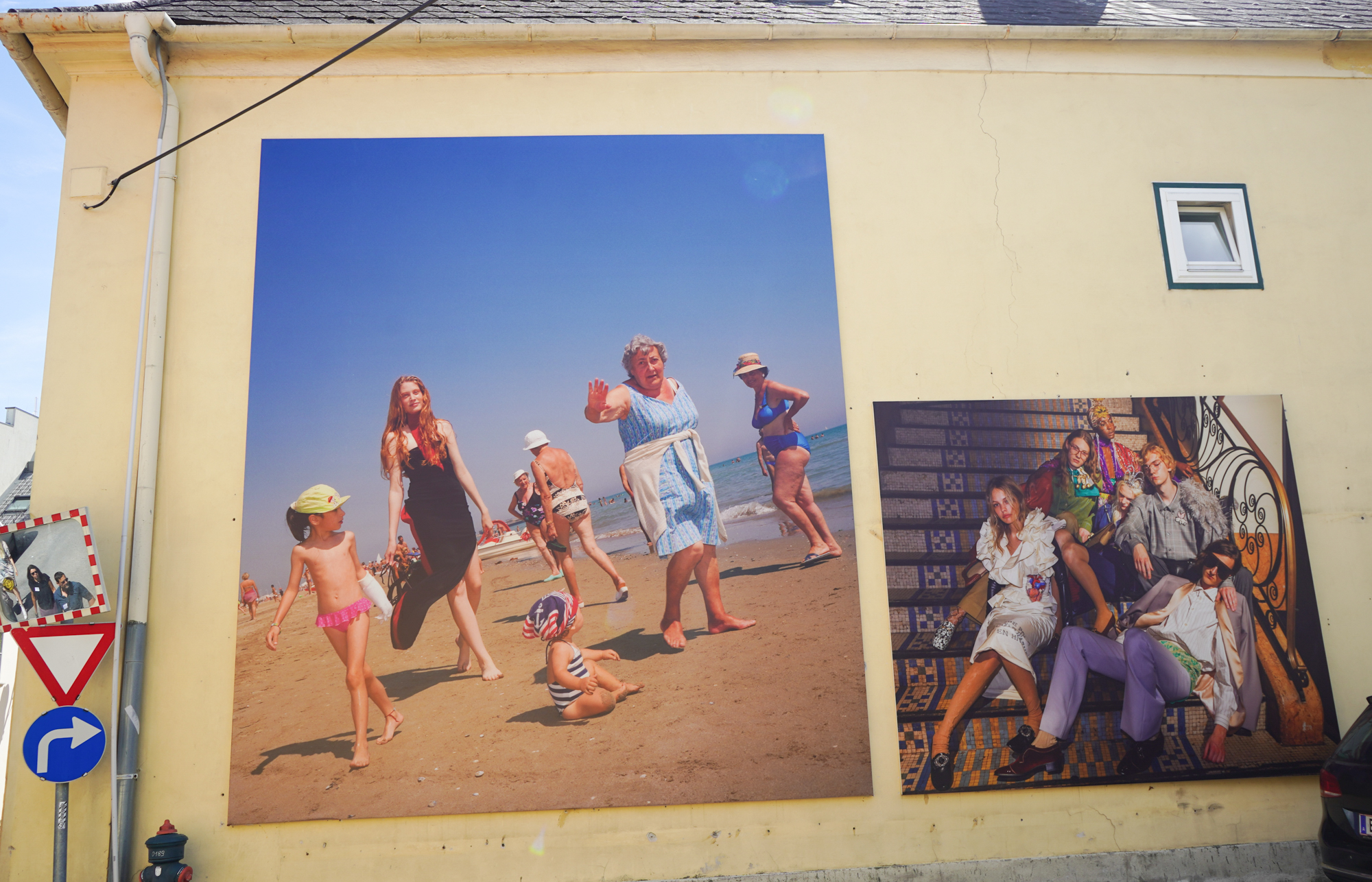
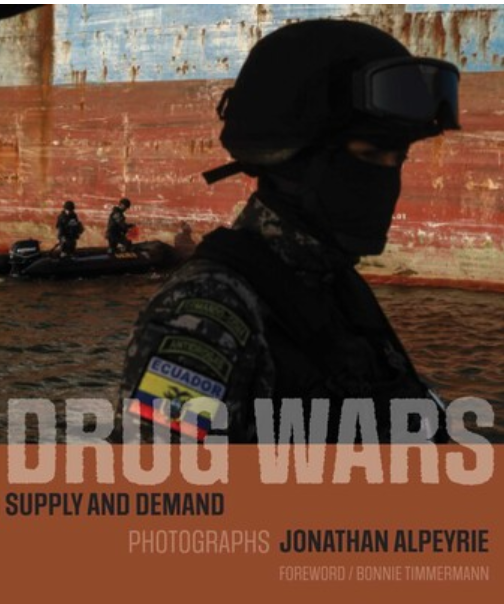
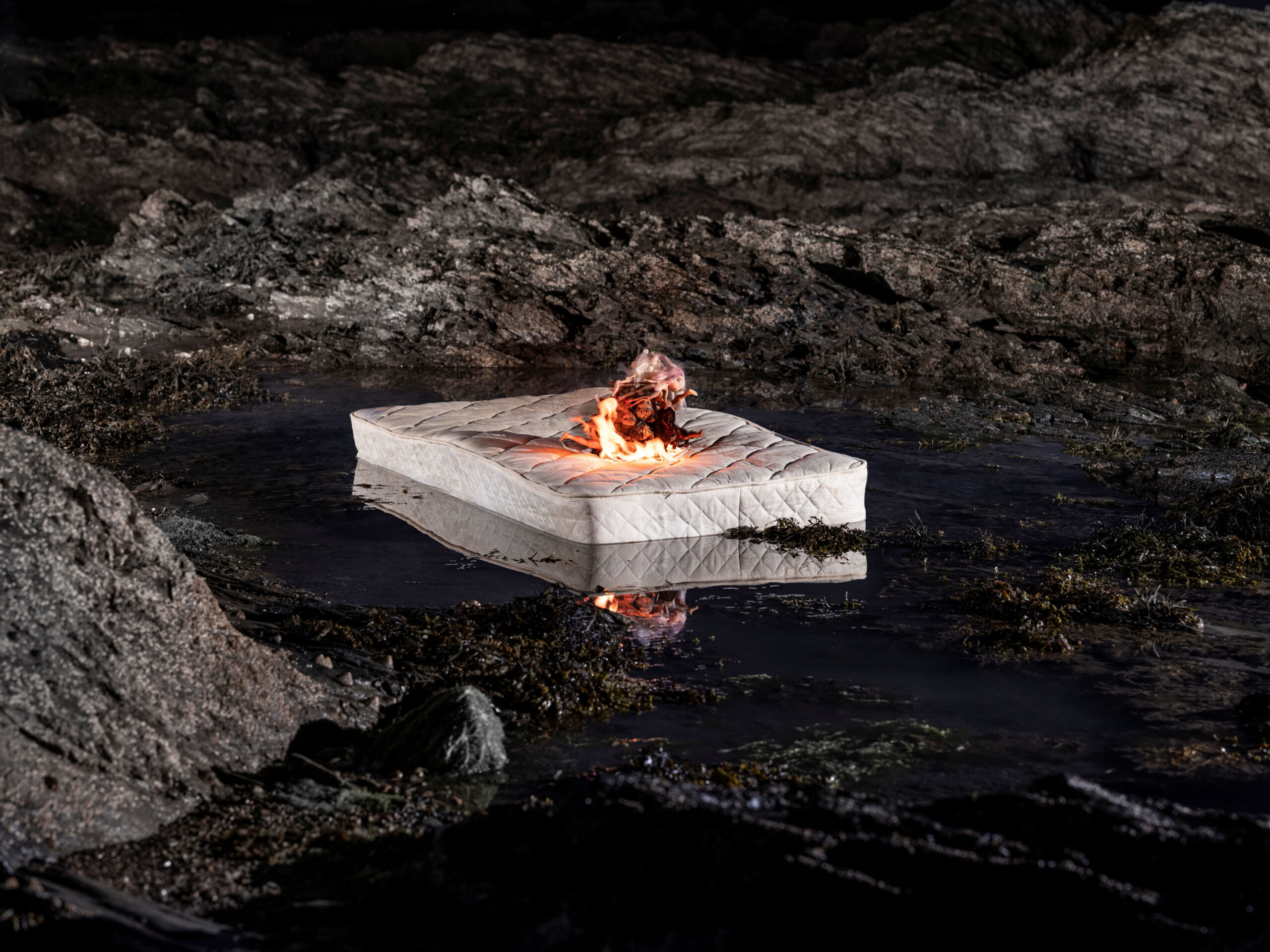
The Photojournalism Hub Calendar 2026 showcasing the incredible work of photojournalists and documentary photographers who have contributed to our mission.
Perspectives on the current narrative surrounding youth crime and violence.
A talk event bringing a committed and compassionate team sharing their experiences, insights and expertise working on the issue of violence and youths. Followed by a discussion on current narratives and the often unreported existing reality of youths living in the capital. What can we learn from the direct experience and insight of those working on reporting youth and violence in the capital? Guest Speakers:Raheel Butt, director and founder of Community and Rehabilitation Solutions. Raheel is an ex-gang member who has experienced violence since young age: groomed, gangs, racial abuse, radicalisation. In a catalyst moment in prison, he changed his life around and he has since been working with communities to reduce the risk and associated harms of crime and violence by working with those most at risk of involvement.
Dr. Roger Grimshaw, Research Director at the Centre for Crime and Justice Studies, www.crimeandjustice.org.uk. Roger has been responsible for a wide range of research studies on criminological and social welfare topics.
Robin Friend, photographer, working on a project that explores the knife epidemic and unprecedented level of youth violence that is taking place across London. Robin is focusing on real life testimonies, bringing in analysis of causes for this issue as well as reporting on the positive stories from the work of many charities working on this issue.
Rebecca Omonira-Oyekanmi, is an investigative reporter and editor working on a range of subjects including: immigration detention, migrants’ rights, mental health, access to legal aid, social housing and gender inequality. She co-edits Shine A Light, an award-winning investigative journalism & storytelling platform on openDemocracy.net and is writer-in-residence at Lacuna, a human rights magazine.
Imperial College Incubator 80 Wood Lane – London W12 0BZ
15 November 2018 – 18:00 – 20:00
The Photojournalism Hub opens one of its programmes dedicated to promoting, engaging and disseminating photojournalism with a talk event to reflect and explore what are the existing challenges that those committed to expose social justice issues face in the current climate.
“Photojournalism is more important than ever”
Have you ever heard the phrase “a picture is worth a thousand words”?
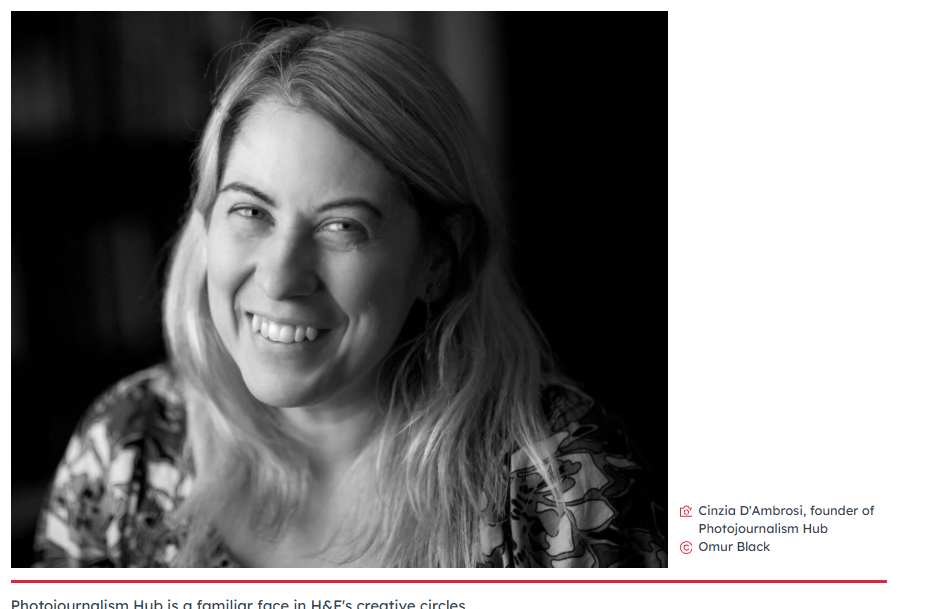
My name is Cinzia D’Ambrosi, a freelance photojournalist who has captured the plight of refugees across Europe through my lens. I have witnessed and documented human tragedy; something we see on the news every day. Back in 1984, Kenyan cameraman Mohammed Amin’s powerful images shown across the World from Ethiopia prompted Bob Geldof to create Band Aid which raised millions for the Ethiopian famine relief. Just one example of how images can say more than words.
The Photojournalism Hub aims to raise the profile of photojournalism and become a showcase for stories through images that prompt social change. Activities will include workshops for aspiring photojournalists and, exhibitions and talks from experienced practitioners.
I would like to invite you to the launch of the Photojournalism Hub where we will be explaining a little more about our objectives and provide you with an opportunity to get involved. Free tickets are here. although limited in number.
Speakers include:
Andy Slaughter, Labour MP – will formally welcome the Photojournalism Hub and speak to its significance as an addition to the local community.
Daniel Renwick– videographer and journalist presents ‘Failed by the State’
‘Failed By The State’ was made four months after the fire at Grenfell Tower. It sought to historicise the mood for community self-help and reliance, after the government – local and national – failed the people in North Kensington, both for allowing Grenfell to happen, and failing to provide the requisite services after the fire. The film was narrated by prominent community member Ish, who was born in Grenfell Tower.
Katie Webb – Co-Director of the Writers’ Union Of Italy (FUIS) presents the work of authors from the Middle East and North Africa region, photographers and activists addressing human rights injustices through novels.
David has worked as an independent photojournalist since the 1970s. Often raw and uncomfortable, Hoffman’s work is both dispassionate documentary and steely social challenge. Working to document the reality of injustice, the frequent oppression of the state and the all too often tragic consequences, Hoffman’s photography has underpinned legal challenges, brought racist perpetrators to justice, and most importantly, reached wide audiences through newspaper publication for more than 40 years.
Claire Thomas is a photographer and photojournalist from Wales, UK, currently based between London and New York. Her photojournalism work focuses on issues relating to global political and military conflicts, human rights, and humanitarian and environmental crises. During her extraordinary career, Claire has produced compelling and timely images and has been extensively covering frontlines battles in ISIS in Iraq.
Q. How did you end up going to Iraq?
In December 2016, I decided to travel to Iraq independently with the goal of focusing on stories related to the military offensive to liberate the city of Mosul and the humanitarian crisis of people displaced by ISIS. Before that, I was based in Greece covering the refugee crisis where I met Kurdish and Iraqi families who had been displaced by ISIS. Hearing their stories, I wanted to better understand the horror that was driving people to flee their homes and risk their lives trying to reach the safety of European shores. As there was a lot of media attention on the war against ISIS in Mosul at the time, I decided to head to Erbil, the capital of the Kurdistan region of Iraq, and an entry point to Mosul.
Q. How long were you there for in total?Will you go back?
My first visit to Iraq was for just 2 weeks, but I returned a few weeks later and ended up living in northern Iraq for two and a half years. I’ve been back for a few short trips since I left in June last year, and I hope to return later this year or next year. Erbil was my home for a long time, and I became very fond of the place and the people, so I think I’ll always go back whenever the opportunity arises. There’s certainly no shortage of stories to cover in the country, and I’m particularly interested to follow the progress of rebuilding the city of Mosul, which was heavily bombed during the battle against ISIS.
Q. This is very traumatic work, what do you do to decompress after a trip like this? How do you look after your mental health while working?
I was lucky to have a great support network in Iraq, among other photographers and journalists, the medics I embedded with in Mosul, and also local friends and fixers. My way of decompressing is simply to talk about the situation, which helps me process my own thoughts and feelings, and I was glad that I had a lot of people I could talk to in Iraq.
I think it’s important to be aware of the emotional impact of doing this kind of work, and also to keep in mind that, as outsiders, it’s our choice to be there and we’re extremely lucky to be able to leave the war zone and go back to the safety of our homes at any time.
Of course, being confronted by violence and death is challenging and disturbing, and even more so is seeing people suffering the terror, pain and loss of war. The images that stick in my mind are of mothers crying over the bodies of their children, of soldiers wailing uncontrollably over a fallen comrade, of proud fathers broken by the loss of their loved ones, and the tearless look of shock on the faces of traumatised children. However, I try to focus my thoughts and energy on the incredible strength and resilience of the survivors and the people who helped them survive.
Q. I’m new to photojournalism – self teaching at the moment. How did you get started and did you go through formal means? And how did you get to work in Iraq? Did you pitch to someone as an independent? Would be great to know how it all works.
I’m also self-taught with no formal training in photojournalism. I studied Politics at University, and after I graduated I spent several years travelling and working overseas. During that time, I developed my interest and skills in photography, and eventually started doing some freelance photography work for my local newspaper in Wales. After a few assignments in Wales I travelled to Palestine where I began producing photo essays about life in the occupied West Bank, which I pitched to several mainstream media outlets.
As a freelancer, I really appreciate having the flexibility and freedom to choose which countries I work in and which stories I cover. Of course, that flexibility comes with the necessity for extreme self-motivation, self-discipline and organisation, as well as the financial burden of paying our own expenses in the hope of selling the work afterwards.
My decision to go to Iraq was one I made independently – I wasn’t sent there by any media outlet. Once I arrived in Erbil, I spoke with a lot of other journalists and fixers to better understand the context and get an idea of stories I could cover that weren’t as widely covered as the military operation in Mosul. In the beginning, I captured the content needed for the story I wanted to cover – photos and interviews – and then sent a pitch with a small sample of images to media outlets. Once editors got to know me and my work, I started to get more commissioned assignments, often working alongside a writer.
It took me a long time to understand how the industry works for freelancers. For me, the most difficult part about being a freelance photojournalist is not the photography or journalism work itself but finding ways to get the attention of editors and my work published. I’m still learning myself, and the best advice I can give is to be persistent and determined, and get to know the publications you want to contribute to.
Clare Thomas www.clairethomasphotography.com https://www.instagram.com/claire_thomas_photography/
As Coronavirus continues to spread throughout the world, it is increasing social injustices and bringing inequalities to the forefront. In this sixth edition, documentary photographer Chiara Fabbro shares a story of refugees seeking asylum in the city of Trieste, Italy. A powerful reminder of the plight of refugees whose journey to safety is often interrupted by violence and unwelcoming measures, increasingly impacted by the current pandemic with the tightening of borders and further securitisation. These are issues we need to see, reflect upon and action.
Seeking refuge in the time of Coronavirus
By Chiara Fabbro
Faces and feet telling the story of a long journey. Walking for hundreds of kilometers, across mountains and rivers. The fear of getting caught. The appalling, repeated, pushbacks at the borders, often violent and degrading. The disrespect for human life. The relief of having made it to Italy, mixed with the uncertainty of what to expect, in a country that is forgetting how to welcome people and learning ho to keep them out instead. The commitment of those who every night take care of the people in transit from Trieste. Every night on the street to treat the feet, fill the stomachs and change the old shoes for a new pair, to walk on the next road.
I met these young men in Trieste, at the end of the Balkan route, during their journey in search of asylum in Europe. Access to temporary shelters here, like elsewhere, has been limited due to COVID-19 measures. This means that people in transit, like them, have been left with no other choice than to sleep rough. The impact of the pandemic has been, and still is, very hard on those seeking asylum. Borders have been further tightened, with increasing reports of pushbacks. Alongside this, the pandemic has fuelled negative feelings towards migrants, accused by some of spreading the virus. This has worsened the unwelcoming climate that people seeking refuge are often faced with.
In this small corner of humanity, I met the volunteers from Linea d’Ombra and Strada Si.Cura. Helping the people in transit from Trieste with the basic necessities after such a journey, but most importantly showing them that there is someone who cares. An asylum seeker in Calais once told me, about the NGOs, that even more than the practical help, what is really important is being there, offering a friendly smile…creating a little corner of humanity, as a place for healing, however temporary. For Lorena Fornasir, co-founder of Linea d’Ombra, in fact, “the hardest part every night is walking away, turning your back and going home…”.
It is with great pleasure to present the 6th issue of JustZine magazine and with great sadness to announce that this is the final issue under the Photojournalism Hub ‘s Mayor of London Culture Seeds support. In JustZine Issue 6 we focus on protests. It is an open interpretation on this topic, because protests which have become more and more embedded in our societies, can take many forms, from personal change, activism, to protest for our ideals or personal goals. Acknowledging protests summarises the diversity of the challenges that we face in today’s world. Contributors have shared articles and photo stories responding to the theme and shared coverage of protests, activism, the people behind them and shared their personal protests. In this issue, we also present the wonderful contributors to the project and let you discover a little of their lives through their profiles. The young reporters, photographers, poets and artists behind the courageous, committed and honest journalism have a showcased profile produced by young photojournalist Fatima Sanchez who put forward initially the idea, and passion in producing these. As the chief editor of the JustZine, I am very proud for the commitment, talent and drive demonstrated by the participants of the ‘Youth Zine West’ project run by the Photojournalism Hub, who produced this issue. I would like to renew my thanks to our founder the Mayor of London and the Culture Seeds team. This has been an amazing and enriching experience for all of us, and we sincerely hope to find means to continue sharing local stories. – Cinzia D’Ambrosi, Editor in Chief
The Photojournalism Hub Live Mini Talks: a series of conversations with photojournalists and practitioners on their work and on their experiences to share useful advices and insightful know-how on photography and current topics.
Cinzia D’Ambrosi, founder/director of the Photojournalism Hub is in conversation with Asha Mukanda, activist, writer and executive assistant of the Open Institute in Kenya. The conversation surrounds the impact that the current pandemic is having on the existing issue of health disparities and police brutality in Kenya.
Photographer and Photojournalism Hub collaborator Carli Adby in conversation with Cinzia D’Ambrosi, founder and director of the Photojournalism Hub discussing ongoing and future engagement programme of the PJH including an ongoing call for photographers and journalists on injustices and inequalities laid bare by Covid-19 and the Photojournalism Nights, an event dedicated solely to photojournalism.
Carli Adby from the Photojournalism Hub is in conversation with Suzanne Plunkett from Women Photograph discussing under representation in the photography industry and how we can lift the voices of ourselves and those around us, particularly those who otherwise are overlooked.
In Conversation with Suzanne Plunkett, Women Photograph – 12/06/20
‘Covering conflict in Iraq’ – in conversation with Claire Thomas – 29/05/20
‘Being a photojournalist on the frontlines‘ – in conversation with Felipe Paiva – 16/05/20
Cinzia D’Ambrosi, founder and director of the Photojournalism Hub introduces an ongoing series of mini Talks, live conversations on Insta with various practitioners to share useful and insightful topics.
In this podcast, freelance photojournalist Erica Dezonne is in conversation with Jamie Clark, our podcaster and photographer. Originally from Brazil and based in London, Erica is sharing her fascinating journey into capturing world events, news and stories through the camera lens. Erica’s career sees her working through the fast and challenging world of news for the RAC Group in Campinas, which is one of the biggest media company in the state of São Paulo in Brazil, all the way to reporting on the street of London. Her photography work has gained recognition in various awards finals, including the prestigious Esso final Award in 2011. Erica’s innate curiosity and passion that transpires in her reporting is splendidly summarized in her own words “with my Finnish heritage I had the bravery and courage to leave my comfort zone in Brazil and face what the world is saving for me.”
Podcast by photographer, videographer Jamie Clark, jamiephclark@yahoo.co.uk
HANNAH MORNEMENT
In this podcast, photojournalist and documentary photographer Hannah Mornement is interviewed by Jamie Clark about her photographic work The Road to Moteand her journey as a photographer. Through discussing her long form powerful project The Road to Mote and her personal journey into photojournalism and documentary photography , Hannah shares her working methods and she lets us into the intricacies of working as a photojournalist today. Her passion for humanitarian issues and her years’ long experience of working in challenging environments from Antarctica to Africa has led her to work alongside many international charities and NGO’s documenting complex humanitarian issues. In this podcast, Hannah talks about her photo stories of people relying on food banks in the UK, of children living in orphanages in Eastern Europe, of famine and food security in Africa, as well as discussing her role and the role of photojournalism in documenting social issues today.
Podcast by photographer, videographer Jamie Clark, jamiephclark@yahoo.co.uk
MINI TALKS
The Photojournalism Hub Live Mini Talks: a series of conversations with photojournalists and practitioners on their work and on their experiences to share useful advices and insightful know-how on photography and current topics.
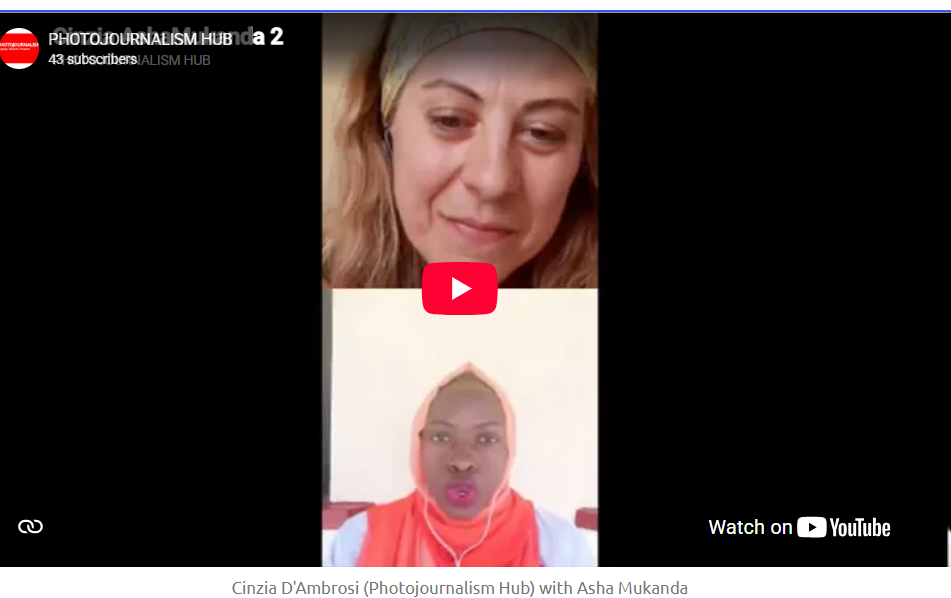
Cinzia D’Ambrosi, founder/director of the Photojournalism Hub is in conversation with Asha Mukanda, activist, writer and executive assistant of the Open Institute in Kenya. The conversation surrounds the impact that the current pandemic is having on the existing issue of health disparities and police brutality in Kenya.
Cinzia D’Ambrosi (Photojournalism Hub) with Asha Mukanda
Photographer and Photojournalism Hub collaborator Carli Adby in conversation with Cinzia D’Ambrosi, founder and director of the Photojournalism Hub discussing ongoing and future engagement programme of the PJH including an ongoing call for photographers and journalists on injustices and inequalities laid bare by Covid-19 and the Photojournalism Nights, an event dedicated solely to photojournalism.
Cinzia D’Ambrosi (Photojournalism Hub) with Carli Adby
Carli Adby from the Photojournalism Hub is in conversation with Suzanne Plunkett from Women Photograph discussing under representation in the photography industry and how we can lift the voices of ourselves and those around us, particularly those who otherwise are overlooked.
In Conversation with Suzanne Plunkett, Women Photograph – 12/06/20
Carli Adby and Suzanne Plunkett
‘Covering conflict in Iraq’ – in conversation with Claire Thomas – 29/05/20
Cinzia D’Ambrosi (Photojournalism Hub) and Claire Thomas
‘Being a photojournalist on the frontlines’ – in conversation with Felipe Paiva – 16/05/20
Cinzia D’Ambrosi (Photojournalism Hub) with Felipe Paiva
Cinzia D’Ambrosi, founder and director of the Photojournalism Hub introduces an ongoing series of mini Talks, live conversations on Insta with various practitioners to share useful and insightful topics.
https://www.youtube.com/watch?v=uo23gaYrE5w Photojournalism Hub Jamie Clark is in conversation with social documentary photographer David Hadland. David […]